 THE GLOBAL WINDOW OF TURKISH FOOD AND AGRICULTURE The Global Window of Turkish Food and Agriculture Sector



Related Articles

Professor Dr. Hüseyin Hüsnü Kayıkçıoğlu from Ege University (EÜ) stated that uncontrolled water use, decreased rainfall and global warming have negatively affected crop production, saying, “Wheat, barley and pulses can be grown in the Aegean Region during the winter season under dry conditions. By applying effective irrigation methods in conditions of reduced water availability, we are able to maintain yields. It is possible to sustain agricultural productivity even under limited irrigation conditions.”
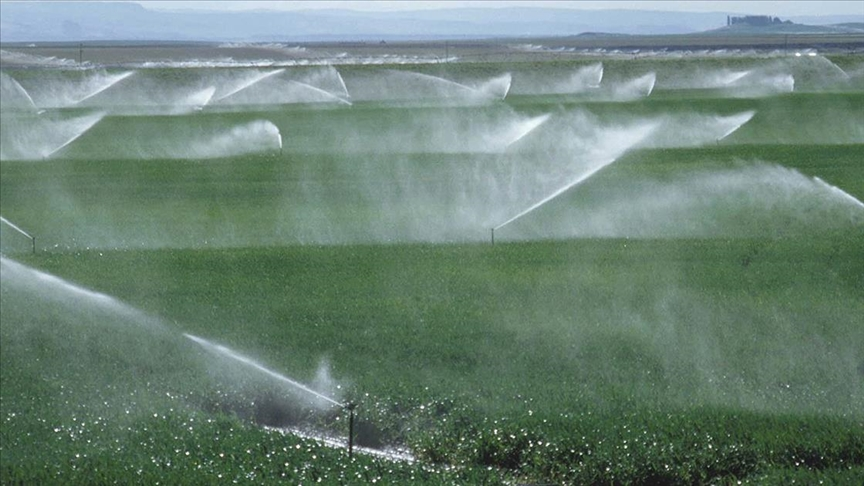
“Insufficient rainfall, drought and uncontrolled water use threaten agricultural production. This situation poses serious problems for food security and sustainable agriculture,” he said.
Professor Dr. Hüseyin Hüsnü Kayıkçıoğlu, a faculty member at the Department of Soil Science and Plant Nutrition at Ege University’s Faculty of Agriculture, stated that rainfall has decreased by up to 15 percent in the Aegean Region over the past 15 years.
Pointing out that in March 2025, rainfall decreased by up to 79 percent, he explained, “The rainfall deficit is deeply affecting agriculture, which is the sector that uses the most water. The uncontrolled use of aquifers for irrigation is also depleting groundwater resources. Global warming is manifesting itself much more severely in regions under the influence of the Mediterranean climate. A 1-degree Celsius increase in temperature corresponds to a 4 percent decrease in rainfall.”
“Therefore, both uncontrolled water use and reduced rainfall are seriously affecting crop production when combined with global warming. Water scarcity leads to reduced photosynthesis, which in turn causes lower crop yields. We need to accept the current perspective on agricultural sustainability. Because stating that this is temporary or seasonal will cause us to be late in planning for the future,” he added…