 THE GLOBAL WINDOW OF TURKISH FOOD AND AGRICULTURE The Global Window of Turkish Food and Agriculture Sector


Related Articles
August 2026…
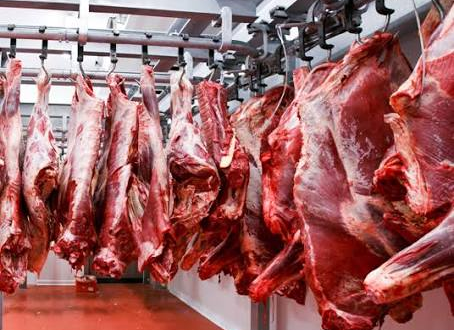
In Türkiye, with the development of the dairy industry, public policies have prioritized dairy farming for many years. Although some progress has been made in the meat industry, the structural priority given to milk production has been maintained. This approach aims to address both milk and meat production within an interconnected system.
The Effects of Support Policies…
Supporting dairy farming through positive discrimination is important for the overall productivity of the sector. However, the suppression of raw milk prices for various reasons has negatively impacted both milk and red meat production. Especially in recent years, dairy farms have been unable to cover their production costs with the income they earn from raw milk sales. This situation has led to the sale of calves (young animals raised for fattening) to feedlots at prices approximately three times the world market average.
Disruption in the Cost Structure…
Normally, the cost of fattening material (young animals) should account for approximately 30 percent of red meat production costs. However, due to the excessive hike in the price of young animals, this rate has risen to as high as 70 percent. As a result, carcass (post-slaughter carcass) cost unnecessarily constitutes the largest share of total production costs.
This creates a vicious cycle: Dairy producers are forced to sell calves, a secondary product, at higher prices due to insufficient raw milk income. This, in turn, makes the basic input of red meat production more expensive.
Inconsistency in Retail Prices…
While raw milk prices are being suppressed, a similar decrease has not been experienced on the retail side. According to current data, raw milk purchased at an average price of 23 TL reaches consumers in markets at a level of 70-80 TL/litre after some fat is removed. This difference is a reflection of inefficiencies and structural problems in the supply chain.
Proposed Solution and Expected Outcomes…
The fundamental solution is for dairy farms to generate sufficient income from raw milk sales to cover their expenses and ensure a sustainable livelihood. This would allow raw calves produced in the same facilities to be sold to feedlots at much more affordable prices.
If these structural adjustments are implemented:
No significant change is expected in retail processed milk prices.
Red meat production costs will decrease and become competitive with world prices.
Red meat production will increase significantly, ensuring both supply security and price stability and a decrease.
In conclusion, the high costs in the red meat sector in Turkey largely stem from the structural imbalance in the integration of milk and meat production. Bringing raw milk prices to a level that covers costs, balancing the calf market, and establishing a holistic livestock policy will offer a sustainable solution for both producers and consumers…
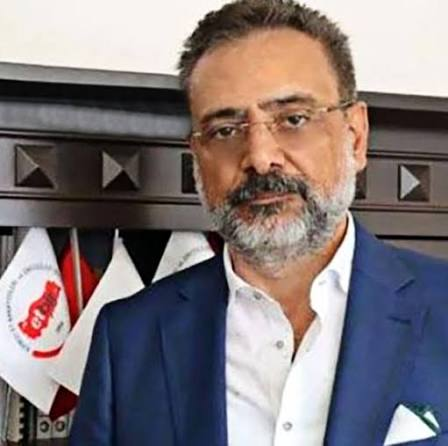
By Dr. Ahmet Yücesan,
Chair of the Red Meat Industrialists and Producers’ Association (ETBİR)