 THE GLOBAL WINDOW OF TURKISH FOOD AND AGRICULTURE The Global Window of Turkish Food and Agriculture Sector


Related Articles



August 2026…
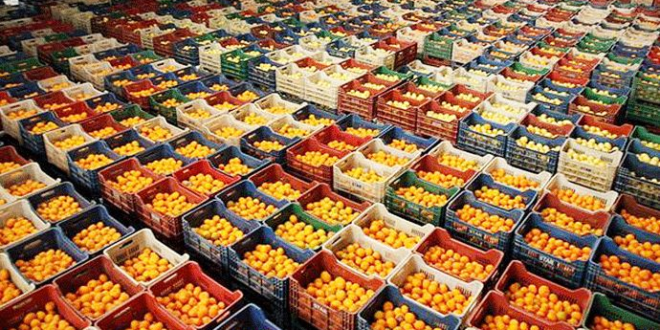
According to the United Nations Food and Agriculture Organization (FAO), 526 million tonnes of food are wasted every year due to inadequate refrigeration. In Türkiye, the annual food loss is estimated to be between 12-15 million tonnes. Food experts state that a cold chain that operates uninterrupted from production to consumer would both significantly reduce food waste and lower food price increases by 3 to 7 percent.
According to FAO data, 526 million tonnes of food are lost worldwide every year due to inadequate refrigeration and storage conditions. This loss, large enough to feed approximately 700 million people, not only threatens food supply security but also leads to the waste of resources used for production. According to experts, post-harvest losses are particularly high in the country, especially for fresh fruits and vegetables. Due to inadequate storage and interruptions in the cold chain, the spoilage rate for some products can reach up to 40 percent.
12 Percent of Global Supply Lost…
FAO data reveals that losses due to inadequate refrigeration account for approximately 12 percent of the global food supply. The organization describes this situation as “not a technical challenge, but a missed opportunity to protect food security.” Experts state that one of the most effective ways to reduce losses is to establish a continuously functioning cold chain system from farm to table. In products where a cold chain is applied, shelf life can be extended by 3 to 10 times depending on the product type, while market value can increase by 20 percent to 200 percent. The process begins with pre-cooling after harvest. Then, products are stored in cold storage and transported to points of sale in refrigerated vehicles. Maintaining the chain at the consumption stage significantly reduces food losses.
Even a Three-Degree Drop is Effective Too…
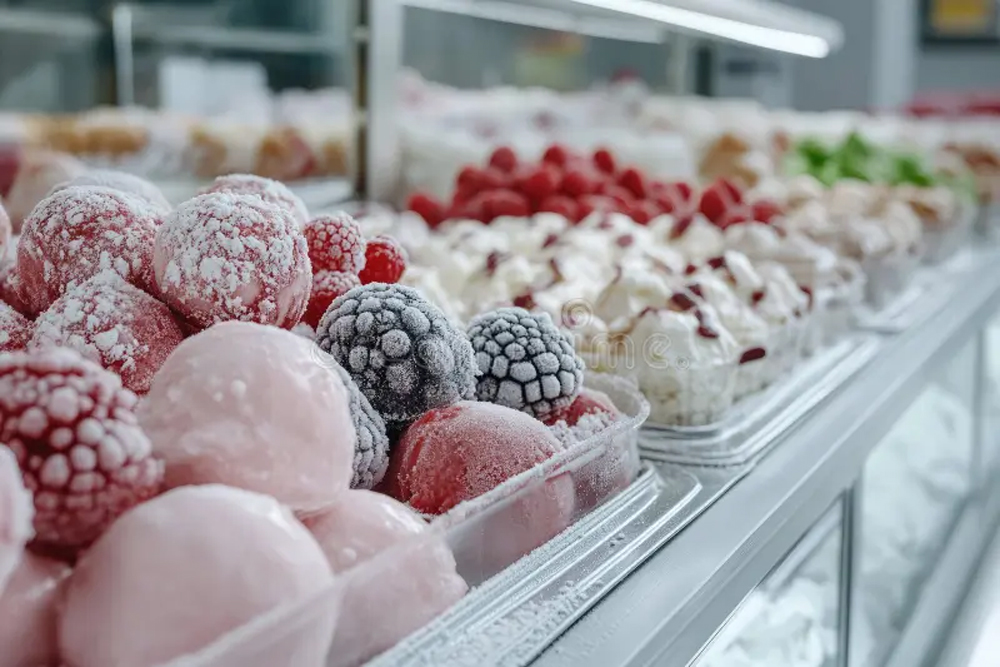
Food experts point out that lowering the temperature by just 3 degrees can reduce bacterial growth by approximately 50 percent. This significantly extends the shelf life of products. For example, the shelf life of cheese can increase up to 20 times, while fresh vegetables like spinach can boost up to 5 times. Frozen products, on the other hand, can have a shelf life of up to 180 times. In businesses that effectively utilize the cold chain, spoilage rates range from 5-15 percent, while in businesses that do not implement this system, losses can rise to 25-40 percent.
Pre-cooling is Critically Important…
Professor Dr. Rahmi Türk, Chairman of the Board of Directors of the Association of Refrigeration, Preservation, Transportation Sciences and Industries, emphasized that the first hours after harvest are critical, stating that pre-cooling is essential to prevent spoilage in many products.

Dr. Türk stated that pre-cooling should be done within a maximum of 16 hours for tomatoes and peppers, 8 hours for cucumbers, carrots and artichokes and 4 hours for broccoli. Indicating that the shortest waiting time is approximately 2 hours for strawberries, Dr. Türk said, “The importance of cooling the products with pressurized air, ice, water or vacuum methods before they are stored.”
It Improves Overall Quality…
“Sometimes, losses of up to 40 percent can occur due to incorrect post-harvest processing. The amount of loss can be increased by the maturity of the product, the harvesting method, the inability to pre-cool, storage conditions, processing methods and transportation factors. Maintaining quality and ensuring a safer food supply requires harvesting at the right time, minimizing physical damage after harvest, avoiding direct sunlight and establishing a cold chain as soon as possible after harvest. If the cold chain doesn’t start immediately, the respiration rate of the product surges and consequently, the storage time shortens. The cold chain significantly improves overall quality,” Dr. Türk noted.
Both Producers and Consumers Benefit…
Professor Dr. Nevzat Artık, the founding director of the Ankara University Food Safety Institute and a Food Safety Expert stated that the cold chain can contribute to price stability by reducing supply fluctuations. “While prices fall due to excess product during the harvest season, supply decreases at the end of the season and prices rise. The cold chain balances the supply by allowing products to be preserved for longer periods. Thus, seasonal price jumps can be limited,” he said. He stated that the abundance of products in the markets and the fact that producers are not in a hurry to get rid of their products immediately could bring about a 3-7 percent decrease in food inflation, adding: “During the harvest season, there is a lot of product and prices are low; at the end of the season, there is little product and prices are high. The cold chain balances the supply by transporting the product outside of the season, reduces price fluctuations, and mitigates the ‘seasonal jumps’ of inflation. This mechanism ensures a structural decrease in food inflation.”

It Grants Exporters ‘Highly Reliable Supplier’ Status…
“Breaking the cold chain weakens Türkiye’s position not only in the domestic market but also in exports. In the country, the rejection rate in exports due to a lack of cold chain can exceed 12 percent. In Europe, this rate is around 4-5 percent. When the cold chain is complete, the risk of product rejection decreases dramatically, exporters gain high-reliability supplier status and buyers are more willing to make long-term contracts. The EU is making Temperature Tracking Certificates mandatory by 2026. Manufacturers who can provide this temperature monitoring certificate are quickly accepted into the EU, can sell at higher prices and gain a logistical reliability advantage compared to competing countries. Gulf countries (UAE, Saudi Arabia, Qatar) do not accept products without cold chain tracking. This allows Turkish manufacturers to position themselves as upper-segment suppliers in the market. The cold chain enables exporting not only products but also trust. When the cold chain is complete, exporters can enhance their unit price by 25 percent. Rejection rates can drop to as low as 5 percent. Access to distant markets becomes more feasible with a highly reliable supplier status.”
Investments in Cold Storage Facilities are Increasing…
Investments in cold storage facilities, which are one of the important links in the cold chain in Türkiye, have accelerated in recent years. According to the data of the Agricultural and Rural Development Support Institution (TKDK), there are 633 cold storage facilities with a capacity of approximately 4.1 million cubic metres in 44 provinces. Thanks to the investments supported under the IPARD programme, products can be preserved for up to 12 months in conditions close to their original quality. While approximately 25 billion Turkish Lira has been invested in the sector so far, the demand for new storage projects continues to increase.
Successful Examples from Around the World…
The FAO recently announced that post-harvest losses were reduced by 66 percent in cold chain projects implemented in Tunisia, Jordan and Morocco. Similarly, it was reported that in South Africa, post-harvest losses were reduced by up to 80 percent thanks to solar-powered cold storage facilities installed in agricultural regions, while producer incomes soared by 25 percent.
It Reduces the Producer’s Anxiety…
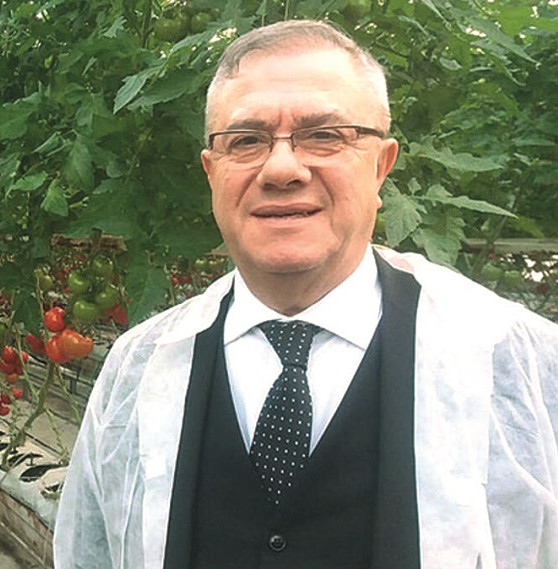
On the other hand, Yüksel Tavşan, Chair of the Turkish Federation of Wholesale Market Operators pointed out that the local producer’s ‘necessity to sell cheaply’ during the harvest season is actually an economic pressure stemming from the lack of cold storage and climate-controlled transportation infrastructure.
Highlighting that when this infrastructure is provided, the producer’s bargaining power, income stability and product value change directly and measurably, he added, “Since the pressure on the producer will also be relieved when the cold chain is established, it may be possible to achieve a more comfortable market.”
By Sümeyra Yarış Topal,
Expert – Istanbul Chamber of Commerce
Source: www.istanbulticaretgazetesi.com