 THE GLOBAL WINDOW OF TURKISH FOOD AND AGRICULTURE The Global Window of Turkish Food and Agriculture Sector



Related Articles



Press release…
The cereals, pulses, oilseeds and products sector in Southeastern Anatolia maintained its leading position with a 30 per cent share of total exports. Between January and September, the sector’s exports from the Southeast surged by 4.6 per cent to reach 2.6 billion dollars. Sunflower seed oil, which ranked first in exports, saw a 22.6 per cent spike in unit prices per kilogram, generating 446.6 million dollars in revenue, a 17.9 per cent spike compared to the same period last year.
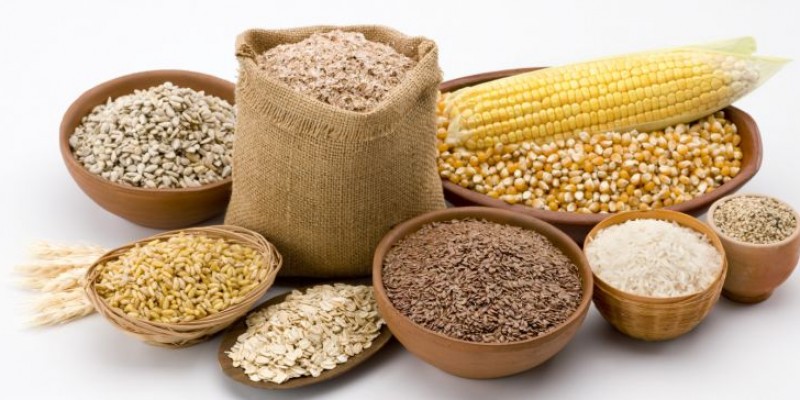
‘Sustainable supply, timely delivery and consistent quality are key factors’
Underlining that quality losses and logistical disruptions in Russia and Ukraine, despite production increases, have surged price volatility in the Black Sea basin, Celal Kadooğlu, Chair of the Southeastern Anatolia Cereals, Pulses, Oilseeds and Products Exporters’ Association, assessed the factors affecting Türkiye’s competitive advantage as follows:
“In this period when access to raw materials in the food sector has become difficult, ongoing bottlenecks in global logistics and fluctuations in freight costs are complicating exporters’ delivery plans. In such times, as price elasticity of demand declines, sustainable supply, timely delivery and consistent quality are now becoming decisive factors. On the other hand, in a period where rising input costs globally and domestic currency pressure are being felt simultaneously, maintaining product and service quality is becoming more challenging than ever for our exporters.”
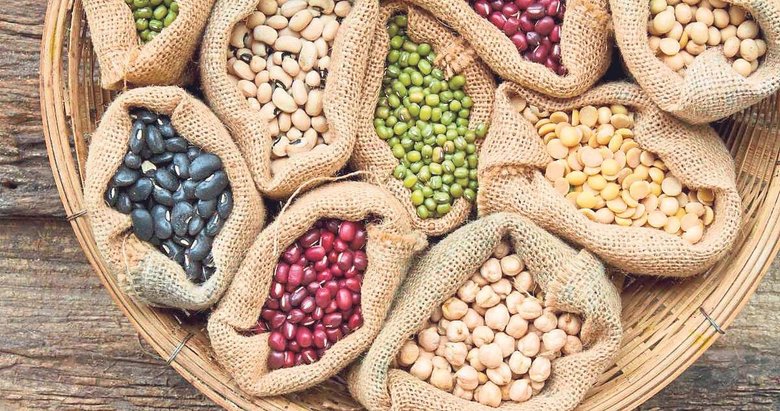
Noting that the cereals, pulses and oilseeds sector has once again demonstrated its strategic importance for the regional economy, Kadooğlu said:
“The cereals sector, which accounts for 4.5 per cent of Türkiye’s total exports, forms the economic backbone of the Southeast with its approximately 30 per cent share in our region. This difference is the result of discipline, reliability and a strong industrial culture that has developed over the years, extending from agricultural production to processed food exports. However, Southeast grain exporters today are struggling not only with costs, but also with unstable supply chains and new dynamics in regional trade.”
“Our goal is to enhance efficiency at every stage, from production to logistics and to make our region’s exports more resilient through R&D, branding and value-added product strategies,” he added…