 THE GLOBAL WINDOW OF TURKISH FOOD AND AGRICULTURE The Global Window of Turkish Food and Agriculture Sector



Related Articles

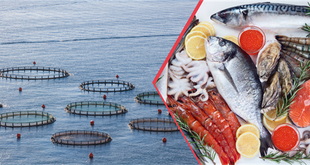
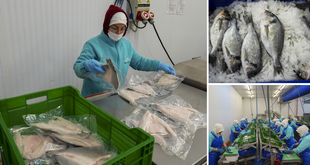
It is estimated that by 2050, overall food demand will surge by 70 percent, while demand for seafood will surge by 100 percent. On the other hand, as arable land continues to shrink, the climate crisis, primarily water scarcity and rising temperatures, is limiting agricultural production, i.e. food supply. So, could artificial food be an option?

When it comes to sustainable food production, land, greenhouse gas emissions, agricultural input consumption and water constraints are key issues. When discussing water scarcity, agriculture stands out as the sector that consumes the most water. Large-scale livestock farming is also a notable agricultural sector in terms of water consumption. Therefore, scientists have sought to determine whether meat production can be carried out in laboratories. In 2013, Professor Dr. Mark Post (Maastricht University, Netherlands), the first scientist to prove that meat could be produced in laboratories, immediately commercialised his discovery. Dozens of commercial companies followed suit. Artificial meat was followed by products such as ‘milk’, “yoghurt” and ‘butter’. In this context, new products such as CELL-BASED or PLANT-BASED MEAT-MILK, ARTIFICIAL MEAT, MEAT-FREE MEAT, etc., which will replace meat, milk and eggs, have entered the market. This production method, which uses animal cells in a laboratory or factory environment, is also called Cellular Agriculture.

Artificial meat is made using cell culture. Stem cells divide and differentiate into cells that are not like themselves, such as nerve cells, muscle cells, bone cells and blood cells (totipotent). In other words, desired changes can be made in stem cells. Of course, this process involves a multidisciplinary range of fields, including stem cell biology, tissue engineering, fermentation technology, biopress and digital information. A company producing beef announced that it has reduced the cost of artificial meat production by developing a technique that allows cells to grow autonomously in a bioreactor in its laboratory. The company’s researchers used CRISPR gene editing technology to modify beef cells to adapt to the artificial growth environment provided by the bioreactor. As is well known, gene editing involves silencing a specific location in the cell’s DNA using applied DNA-cutting enzymes, thereby increasing or decreasing its effect, i.e., subjecting it to micro-mutation.
Production of artificial products offers advantages such as requiring less water and land use, reducing greenhouse gas emissions and lowering the risk of bacterial and viral contamination. Therefore, the artificial product market is attracting attention as an important component of a sustainable future and is gaining increasing interest.
The artificial meat market appears to have high growth potential. As science and technology advance, costs are expected to fall and products to gain acceptance. The artificial meat market is attracting rising interest as an important component of a sustainable future.

When we compare the costs to nature and then to the economy of [field – farm – table] red meat with [field – factory – table] artificial meat, we may be hesitant at present. However, when countries prepare guidelines on artificial meat, with developing technologies ensuring that it is indistinguishable from the real thing in terms of quality and when the true cost is reached, artificial meat will prevail over red meat.
When comparing these artificial products with red meat, some differences in nutritional value stand out. When comparing the characteristics of legumes, the raw material of artificial meat, with meat, there is no difference in protein content. However, meat contains 15 times more fat. Artificial meat is far superior in terms of calcium and magnesium and legumes do not contain cholesterol. On the other hand, plant-based protein producers also enrich their products with a series of vitamins, such as vitamins D and B12, in order to match the quality of real meat. In other words, artificial products appear to be one step ahead in terms of health.
However, there are also some health risks: Artificial red meat is a processed food product. Excessive consumption of processed foods can lead to obesity, diabetes and other health problems. Artificial meat, which contains higher levels of sodium than traditional meat products, can also cause health problems such as high blood pressure and heart disease due to excessive sodium intake. Again, artificial red meat products, being made from plant proteins, may pose a risk to people who are allergic to these plants.
Despite all this, global plant-based meat sales, which stood at 16.5 billion dollars in 2021, are expected to rise to 139.4 billion dollars by 2035, representing an annual growth rate of 16 percent. Milk is also expected to see a 9 percent growth by 2035, reaching a turnover of 51 billion dollars.
Turkish consumers, who currently pay above-world-market prices for meat, are expected to consume more meat by switching to artificial meat!

By Professor Dr. Nazimi Açıkgöz,