 THE GLOBAL WINDOW OF TURKISH FOOD AND AGRICULTURE The Global Window of Turkish Food and Agriculture Sector


Related Articles



Commodity markets diverged sharply in the first quarter of the year, as the US-Israel war on Iran and rising geopolitical tensions reshaped global supply chains and investor behaviour.
While energy and some industrial metals surged on supply fears, precious metals saw volatile swings and agricultural commodities reacted to rising costs and disrupted trade flows.
At the centreStrai of the shift was the disruption of the Strait of Hormuz, a critical chokepoint for global energy and industrial supply.
Agriculture tracks energy shock…
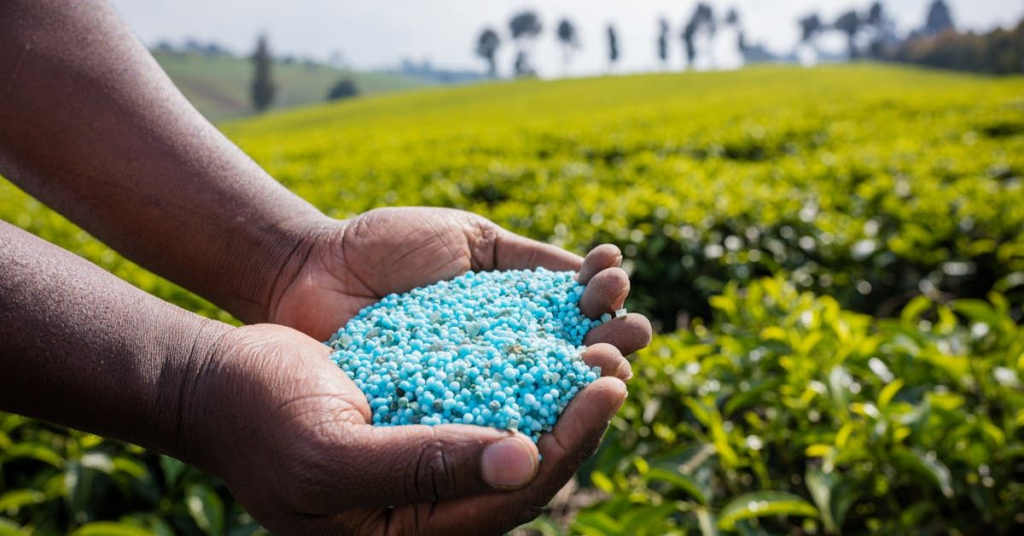
Agricultural commodities largely followed energy markets, as rising fuel and fertilizer costs fed through to prices.
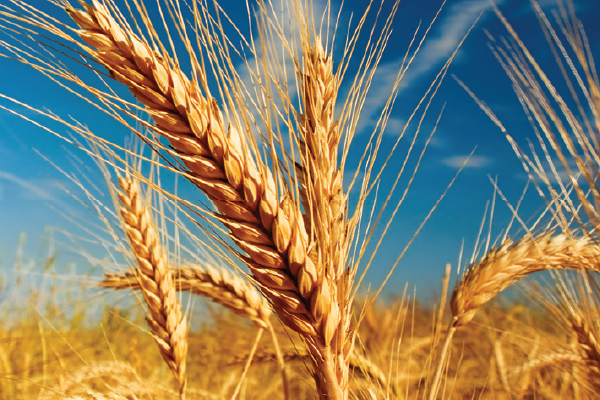
Around one-third of global trade in fertilizer inputs passes through the Strait of Hormuz, making the sector particularly exposed to the disruption.
Wheat surged 21.5% to $6.5175 per bushel – its highest since June 2024 – due to the logistical disruptions in the Gulf.
Corn rose 4%, driven in part by increased demand for biofuels as oil prices surged.
Meanwhile, soybeans gained 11.8% per bushel as US farmers shifted planting decisions in response to higher fertilizer costs.
Rise also saw a 11.4% rise per bushel over the same period.
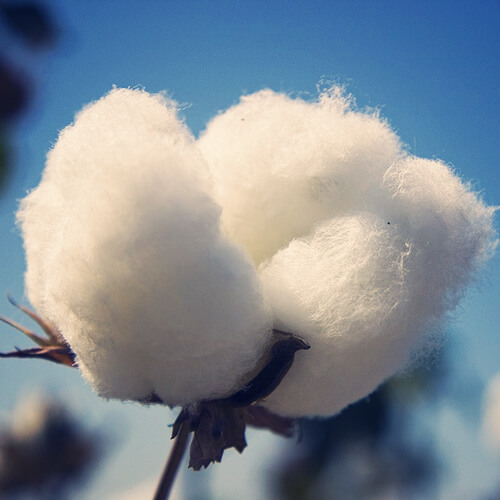
Cotton rose 8.9% amid drought concerns in Texas, while sugar increased 3.4% due to seasonal production risks in Brazil.
Not all agricultural commodities followed the upward trend.
Coffee fell 14.3% on improved supply conditions following rainfall in Brazil, while cocoa plunged 45.6% due to strong harvest expectations in West Africa and weaker demand…