 THE GLOBAL WINDOW OF TURKISH FOOD AND AGRICULTURE The Global Window of Turkish Food and Agriculture Sector


Related Articles

In Türkiye, we still tend to discuss agriculture mainly in terms of commodity prices, levels of government support and periodic production shortfalls. Yet agriculture is not merely an economic domain; it is also strategic, social, environmental and cultural. How land is used, how water is managed, which crops are grown where, and whether the rural population can remain engaged in production all directly shape a country’s future.
The challenges confronting our agricultural policy today are not limited to farmers’ rising costs. Climate change, drought, dwindling water resources, fragmented landholdings, an ageing rural population, young people turning away from agriculture and global vulnerabilities in food supply chains have made agriculture a matter of national security.
The concept of “Agrostrategy,” which I have discussed previously, arose from precisely this reality. Agrostrategy does not view agriculture solely as an economic sector or a production activity. It considers a country’s soil, water, biodiversity, agricultural knowledge, production culture and human resources as an integrated whole. Together, these elements constitute the country’s “agrostrategic value.”
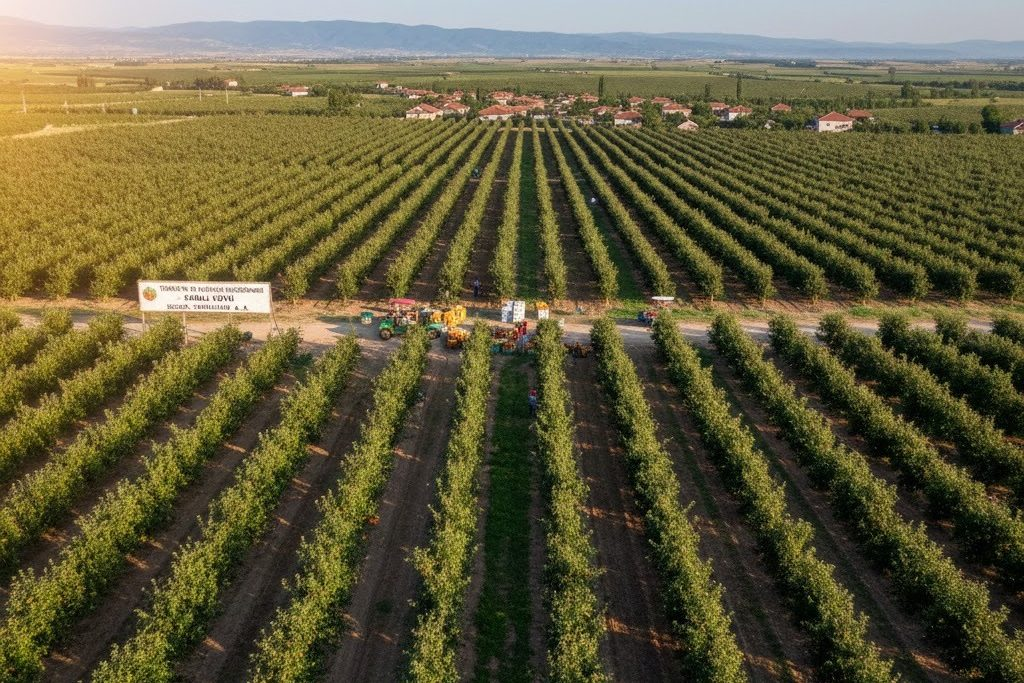
From this perspective, Anatolia is not merely a geographical area where agriculture is practised. With thousands of years of production experience, diverse climate zones, rich biodiversity, endemic species, local seed varieties and a deep-rooted rural culture, it is an immense agrostrategic basin. Yet this potential can be transformed into strategic value only if it is managed in a planned and sustainable manner.
In my doctoral dissertation and later in the book based on that research, I examined the Deveci Basin Integrated Fruit-Growing Project implemented in Kabalı village, in the Kadışehri district of Yozgat province, from this perspective.
My purpose was not simply to introduce an agricultural project regarded as successful. Rather, it was to examine the economic, social and environmental outcomes generated during the project’s first ten years and to determine whether the system established in Kabalı could serve as a model for Türkiye’s sustainable agricultural development policies.
The Difference Between Agricultural Policy and Agrostrategy…
For many years, Türkiye’s development plans have included objectives such as sustainable agriculture, rural development, environmental protection, productivity and the reduction of regional disparities. The agricultural production planning and new support system currently in place likewise aim to guide production according to basin conditions, establish suitable cropping patterns in water-stressed regions and enable farmers to know in advance what support they will receive.
These are important steps. Agricultural production planning and Agrostrategy, however, are not the same thing...
Production planning seeks to answer which crops should be produced, in which regions and in what quantities. Agrostrategy raises a broader question: How will Türkiye manage its land, water, climate, biodiversity and productive capacity in line with its long-term national objectives?
An agrostrategic agricultural policy therefore does more than seek to close production gaps. It aims to ensure food security, reduce dependence on external sources, retain the rural population, protect natural resources and safeguard the productive capacity of future generations.
Basin-based production planning is a sound starting point. Yet centrally determining which crops will receive support is not sufficient on its own. It is also necessary to plan how a crop will be produced, where it will be processed, how it will be stored, which markets it will reach and what share of the resulting economic value will accrue to the producer.
The Kabalı case makes this link between agricultural planning and the agrostrategic approach concrete.
From Fragmented Landholdings to Cooperative Production…
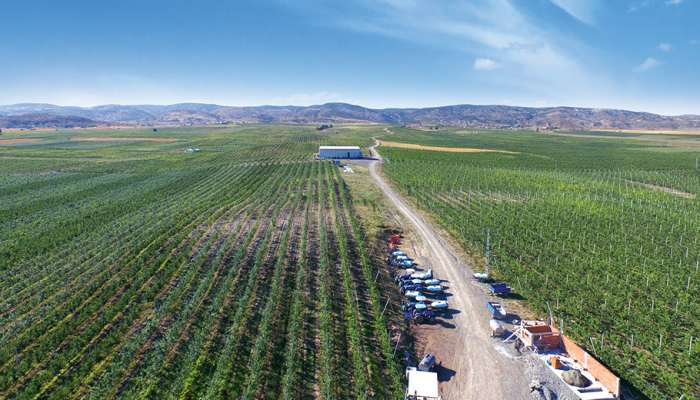
Before the project, agricultural production in Kabalı took place on small, fragmented plots. Wheat and barley predominated, and farming served primarily to sustain families’ basic livelihoods rather than to generate substantial economic value. Traditional irrigation, fertilisation, and crop-protection methods remained in use, while knowledge and oversight concerning the long-term conservation of soil and water were inadequate.
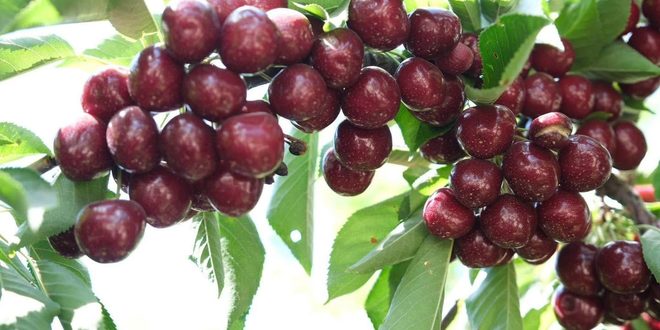
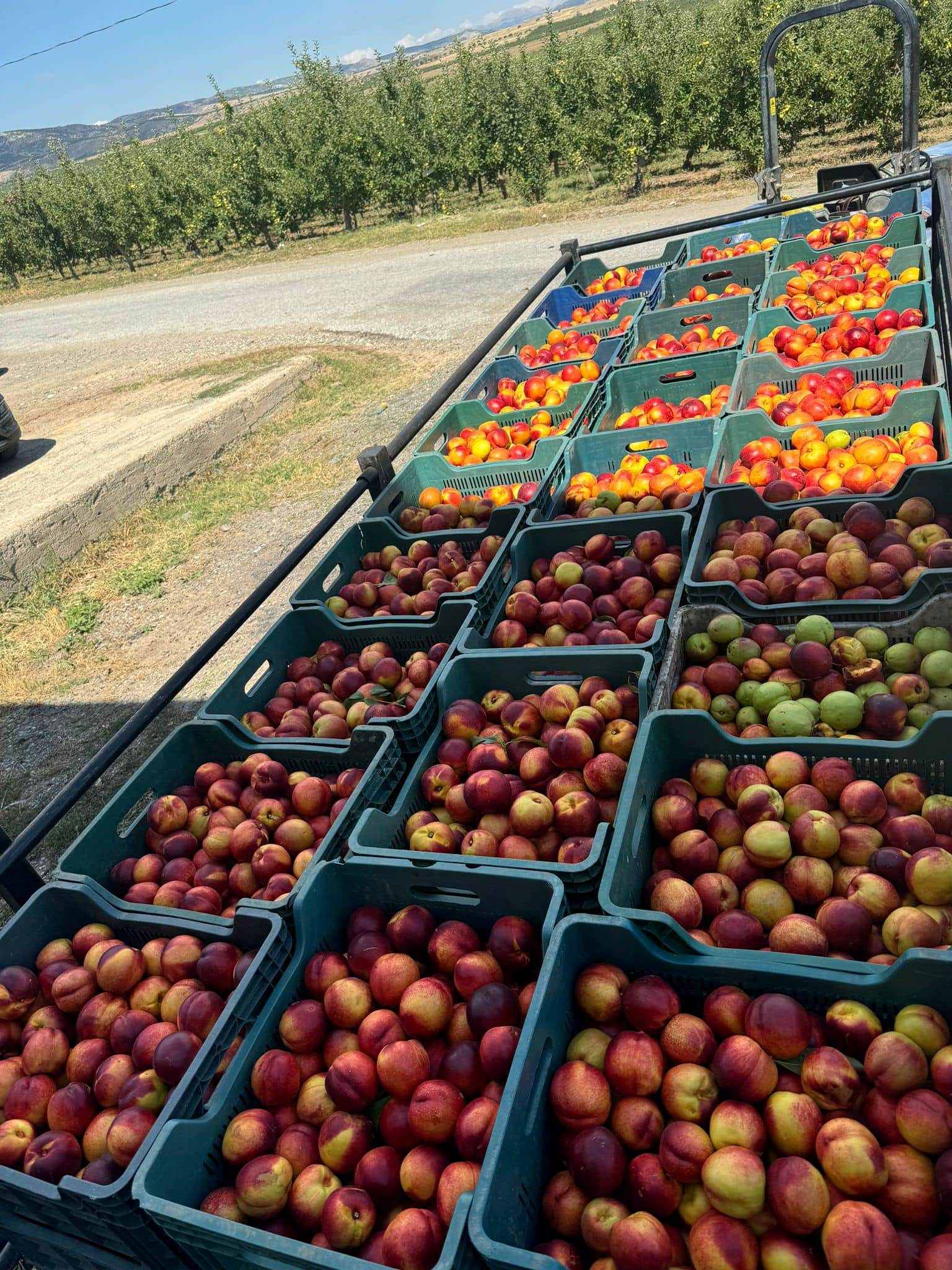
Under the project, village residents pooled approximately 600 separate plots to create a contiguous production area of 10,920 decares (1,092 hectares). Apples, pears, peaches and cherries began to be cultivated on approximately 5,000 decares (500 hectares) of this area. The export of the entire cherry crop demonstrated that the project had developed marketing capacity in addition to production capacity.
Kabalı’s true agrostrategic significance, however, lies neither in the size of the land nor in the volume of fruit produced. At the heart of the model is the consolidation of productive capacity while preserving individual property rights.
Landowners became partners in the project without relinquishing their land, received a share of the profits and, if they wished, could also work for wages within the same production area. In this way, villagers ceased to be isolated, low-income producers with weak bargaining power on their own land and became partners in an organised economic enterprise.
Given that a substantial proportion of Türkiye’s agricultural holdings consist of small, fragmented plots, Kabalı offers a clear first lesson; the problem of scale can be overcome without abolishing individual property rights. This requires trust among producers, transparent governance, professional management and equitable income distribution.
Agrostrategic value is not simply a matter of the total area of farmland available. Its true value emerges from how that land is organised, how efficiently it is used and what kind of future it offers its producers.
The Human Dimension of Agricultural Development…
In my research, I examined not only the economic outcomes of the Kabalı Project but also its social and environmental effects. Sustainable development, after all, is not merely an increase in income or output.
According to the research findings, the household incomes of participating landowners increased approximately sevenfold. The working season in the area extended to as many as eight months a year, unemployment declined and new areas of activity emerged. Of those surveyed, 98 percent stated that the project had strengthened the regional economy.
The use of employment contracts and seasonal worker contracts at the project site also improved agricultural workers’ social security coverage and employment rights. Transforming agriculture from an informal and insecure means of subsistence into formal employment is at least as important as the surge in income.
One of the project’s striking outcomes concerned migration. Twelve families that had previously left the village returned. Of those surveyed, 64 percent stated that they did not intend to migrate from Kabalı in the future.
This result shows that agricultural policy is also a policy of population, urbanisation and settlement. The depopulation of villages does not merely weaken the agricultural sector; it also aggravates problems of housing, transport, unemployment and social cohesion in major cities.
People cannot be persuaded to remain in villages through exhortation. They must be offered a stable income, social security, educational opportunities and confidence in the future. The agrostrategic approach must place not only the land but also the people who cultivate it at its centre.
Soil and Water: A Trust to Be Preserved and a Strategic Resource
Within the Agrostrategy approach, soil, water and biodiversity cannot be treated merely as economic inputs. They are both strategic national assets and a trust that must be passed on to future generations.
A significant transformation was achieved in Kabalı through drip irrigation, controlled fertilisation and modern agricultural techniques. Land consolidation reduced unnecessary machinery use, made production inputs more systematic and advanced the protection of soil fertility.
At the same time, the research showed that traditional irrigation and fertilisation methods continued on small plots outside the project. This is one of the project’s limitations. Applying modern techniques only within the large production site is not enough. Environmental transformation should extend to the entire village and if possible, across the basin as a whole.
The current policy of changing cropping patterns in water-stressed regions is sound. Water, however, should not be reduced to a technical criterion used solely to determine the amount of support. Water budgets should be prepared on a basin basis; the actual water consumption of crops should be monitored; groundwater carrying capacity should not be exceeded and producers who use water efficiently should be rewarded.
Production that degrades the organic structure of the soil, depletes water resources and diminishes biodiversity constitutes an agrostrategic loss, even if it appears profitable in the short term.
Turning the Kabalı Model into a Policy for Türkiye…
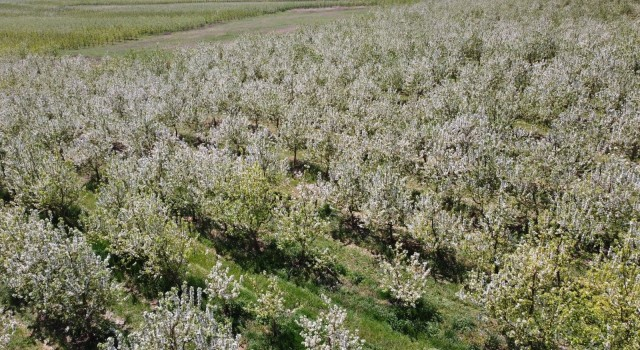
The results achieved in Kabalı show that the project offers an important model for sustainable agricultural development. It would be a mistake, however, to replicate the same crops and the same operational structure in every region of Türkiye.
Each basin differs in climate, water availability, soil structure, production culture and access to markets. What Türkiye should take from Kabalı is not a copy of the project, but the principles on which it is founded.
Türkiye’s agrostrategic agricultural policy should be built on the following principles:
Production should be planned at basin level, taking long-term water availability into account. Small and fragmented plots should be brought together under cooperative operating models while preserving property rights. Support should not be based solely on the area cultivated or the quantity produced; criteria such as water conservation, soil health, formal employment, producer organisation and value creation should also be taken into account.
The public sector should not act as an operator making decisions on behalf of producers. Its role should be to build trust, establish the legal framework, facilitate access to finance and oversee the system. Universities, meanwhile, should not remain institutions that simply prepare reports at the outset of a project; they should monitor production as well as environmental and social impacts over many years.
Storage, processing, branding, logistics and exports should be planned alongside production. Farmers should cease to be mere suppliers of raw materials and receive a share of the value added. Local seed varieties, geographically indicated products, rural architecture and traditional production knowledge should not be sacrificed in the name of economic efficiency.
In my study, I recommended that the Kabalı Project be reassessed at regular intervals and that new findings be compared with the results of its first ten years. Today, that recommendation is more important than ever. A project cannot be evaluated solely on the basis of its initial success indicators. We need to determine whether the same success endures five, ten and twenty years later.
The fundamental truth demonstrated by Kabalı is this; when soil, water, people, knowledge and markets are brought together around a common strategic objective, agriculture produces more than crops; it produces income, employment, social solidarity and a future.
Türkiye does not need a single Kabalı. It needs hundreds of local development models, each arising from its region’s own agrostrategic value, strengthening its producers, protecting its environment and continuously measuring its outcomes.
A country’s true strength, after all, is measured not only by how much it produces today, but by whether it can continue to produce tomorrow…
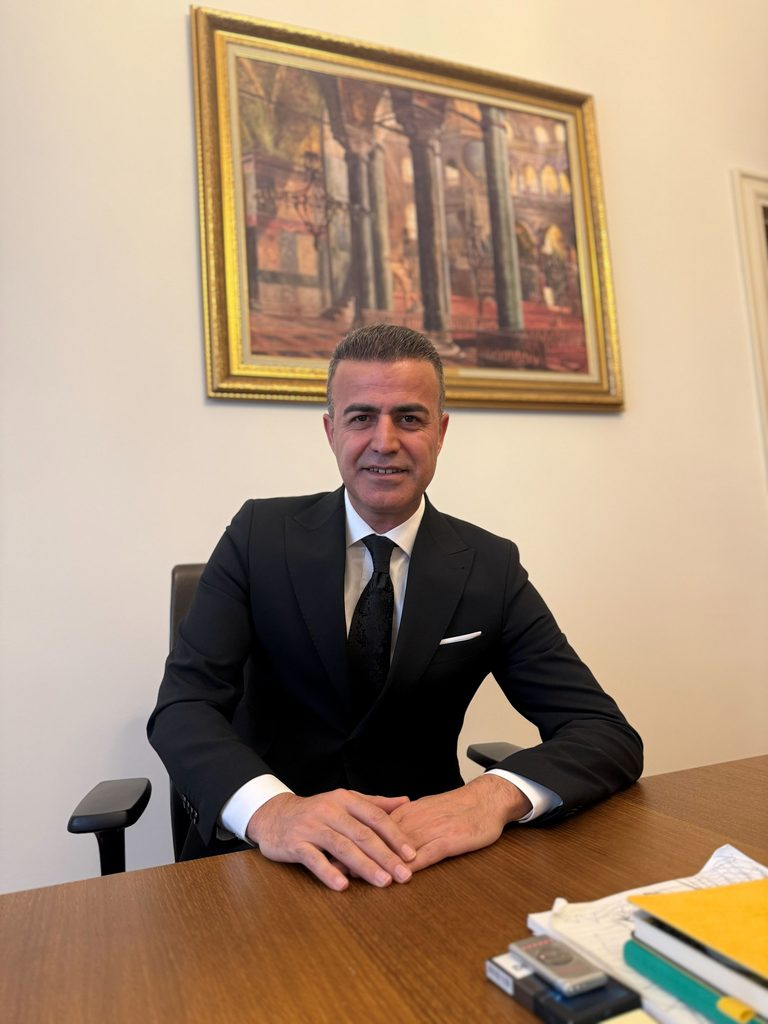
By Dr. Üzeyir Tekin,
Sociologist