 THE GLOBAL WINDOW OF TURKISH FOOD AND AGRICULTURE The Global Window of Turkish Food and Agriculture Sector


Related Articles



Press release…
July 2026…
Analysis finds supply and demand shocks drive most price swings, with producers and consumers affected differently…
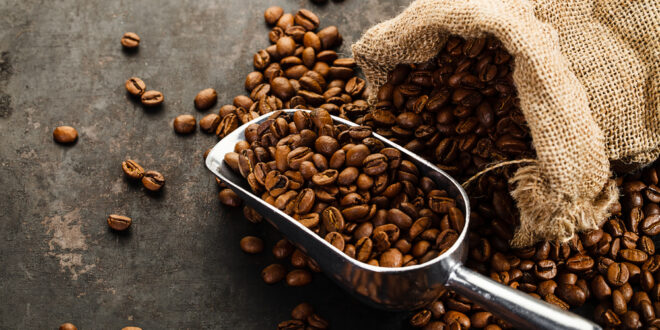
Rome – International prices of coffee, cocoa and tea have recently experienced large fluctuations, exacerbated by structural vulnerabilities, according to a new report from the Food and Agriculture Organization of the United Nations (FAO), highlighting the need to strengthen production systems, improve market transparency and support a more balanced distribution of value across the value chain to enhance market stability and protect livelihoods.
Drawing on new evidence, the report Price Dynamics in Global Beverage Markets: Trends, Drivers, and Consequences finds that short-term real price movements are driven predominantly by changes in supply and demand conditions, which account for more than 90 percent of observed price dynamics. At the same time, expectations about future market conditions can shape market participants’ behaviour, at times reinforcing price movements even before underlying supply or demand shifts fully materialize. The findings further suggest that broader macroeconomic conditions play a comparatively limited role in explaining short-term price fluctuations for these products.
Recent price fluctuations are shaped by both the physical and economic characteristics of these markets. Production is highly concentrated in a small number of low- and middle-income countries and largely undertaken by smallholder farmers, while most output is exported in raw form to high-income and emerging economies for processing and distribution. The long distances between producers and consumers increase exposure to market disruptions and transport costs, thereby amplifying the effects of global shocks on domestic markets. In this context, the report finds that shocks to global beverage markets do not transmit fully or evenly across the different stages of the value chain. Producers tend to be more directly exposed to global price shocks, whereas the impact on consumer prices is generally more muted.
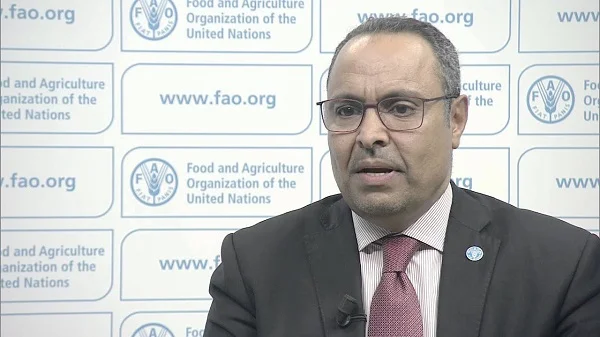
“In recent years, global beverage commodity prices have risen much faster than those of other agricultural commodities,” said Boubaker Ben-Belhassen, Director of FAO’s Markets and Trade Division. “The combination of concentrated supply and growing global consumption creates fertile ground for large swings in their international prices. Weather-related shocks – droughts, frosts, and excessive rainfall – remain the primary triggers of price spikes. Plant diseases, rising input and labour costs, geopolitical tensions, and shipping delays have added further pressures.”