 THE GLOBAL WINDOW OF TURKISH FOOD AND AGRICULTURE The Global Window of Turkish Food and Agriculture Sector


Related Articles

FAO urges open trade on all agricultural inputs and efficient fertilizer use amid global food production risks…
Director-General QU Dongyu addresses 181st Session of the FAO Council emphasizing that the closure of the Strait of Hormuz is not a regional issue but a global food security risk!
Press release…
June, 2026
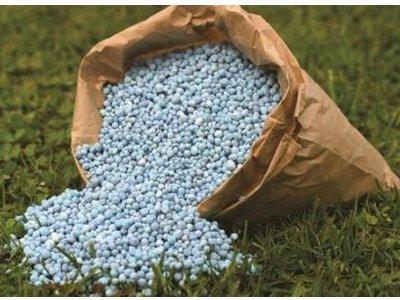
Rome – The Director-General of the Food and Agriculture Organization (FAO), QU Dongyu, today opened the 181st Session of the FAO Council (8-12 June), noting recommendations for countries to address the impacts of the Strait the Hormuz crisis, particularly the urgent need for efficient fertilizer use as global agrifood systems face unprecedented challenges.
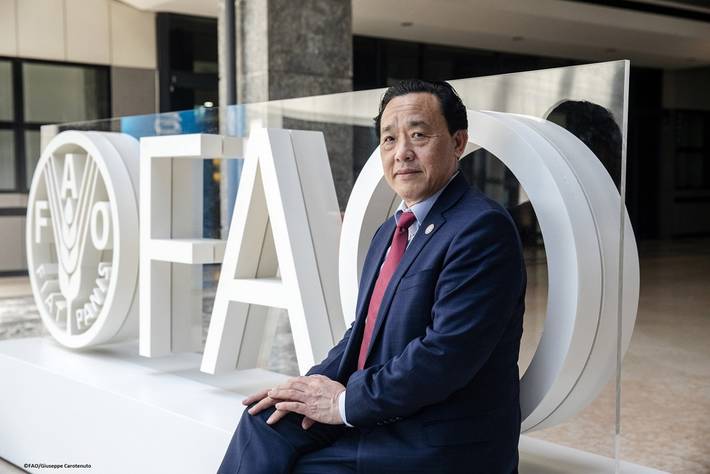
“The closure of the Strait of Hormuz is not a regional issue – it is a global food security risk,” Qu highlighted, noting that around 35% of global crude oil exports, 20% of liquefied natural gas (LNG) exports, 20–30% of global fertilizer exports and approximately 50% of global sulfur exports transit through this critical chokepoint. These essential flows are vital for food production, affecting energy and agricultural inputs significantly.
“The greatest risk was not an immediate food shortage, but a fertilizer and production shock,” Qu stated. As the crisis reaches its 100-day mark, its effects are becoming increasingly visible. Farmers across Asia, Africa and Latin America are grappling with higher production costs and difficult choices regarding fertilizer use and crop decisions.
In response, FAO has launched a comprehensive package of recommendations for immediate, medium, and long-term actions. “In the immediate term, we have called for keeping trade open, avoiding export restrictions on all agricultural inputs, protecting humanitarian food corridors, and securing alternative logistics routes,” Qu detailed.
Additionally, FAO is working to enhance fertilizer use efficiently through initiatives like soil mapping and precision agriculture. “We are promoting intercropping systems to reduce dependence on nitrogen fertilizers,” he added. FAO is also actively working to develop innovation funds for alternative fertilizers, such as green ammonia and biofertilizers.
The Director-General pointed out that El Niño-related weather risks later this year could further threaten food production and food security in countries already facing severe food crises…