 THE GLOBAL WINDOW OF TURKISH FOOD AND AGRICULTURE The Global Window of Turkish Food and Agriculture Sector



Related Articles

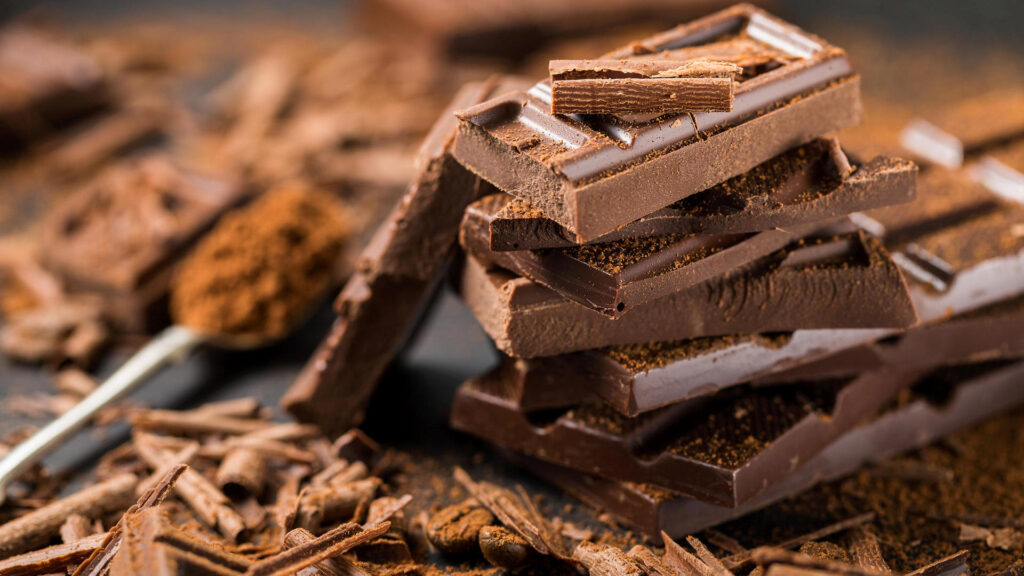
According to data shared by the Turkish Exporters Assembly (TİM), the cereals, pulses, oilseeds and products sector, which includes basic food items such as chocolate and cocoa products, sunflower oil, biscuits and wafers, confectionery varieties, pasta and wheat flour, exported 929.5 million dollars worth of goods in January.
Commenting on developments affecting global food trade based on export data, Ahmet Tiryakioğlu, Chairman of the TİM Cereals, Pulses, Oilseeds and Products Sector Board, stated that Russia is of great importance to Türkiye under the Inward Processing Regime (IPR – DİR).
“Russia, a key player in global grain production and exports, appears to have shifted towards a new strategy aimed at moving beyond being merely a raw material supplier in agriculture to securing a place in the higher echelons of the global food chain,” he said.
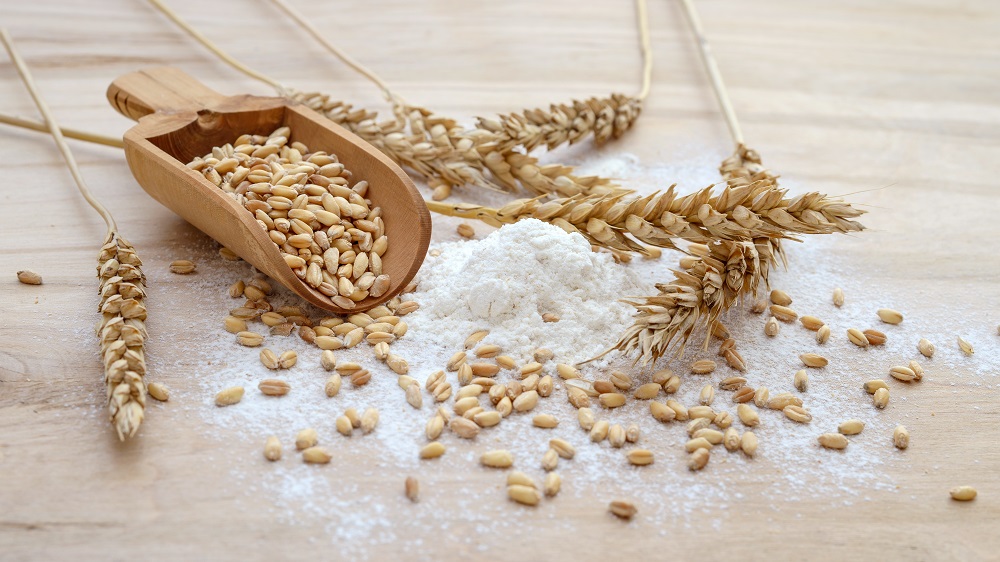
“The fact that Russian companies are being encouraged, with state support, to establish wheat flour, sunflower oil and food processing facilities abroad is a sign of Moscow’s determination in this regard. The fundamental reasons behind Russia’s desire to become a player producing value-added products directly for third countries are the decline in agricultural profitability due to suppressed prices, despite the continuous expansion of cultivation areas and the shift of farmers away from cereal cultivation towards oilseed production,” he noted.
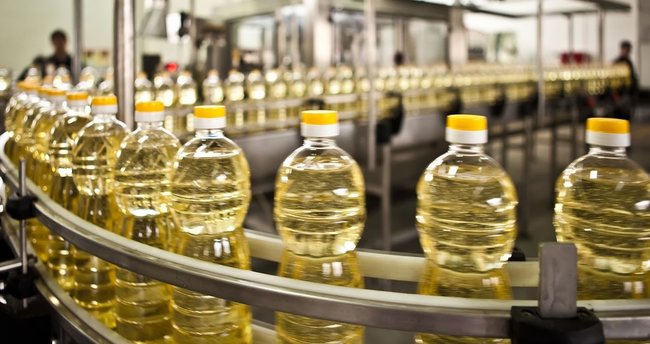
Pointing out that with its strong industrial infrastructure, Türkiye has been a country that has converted imported inputs such as wheat, crude sunflower oil and maize into value-added products and offered them to international markets under the DIR, Tiryakioğlu added, “This relationship, which provides a significant competitive advantage to the Turkish food industry, could enter a second phase after Russia directs its own companies towards milling and processing investments abroad. In an environment where Russia has begun to enter markets directly through its overseas processing investments, we must both strategically strengthen alternative supply sources and prioritise partnerships with Russian companies for our capacities that may remain idle due to their high cost.”