 THE GLOBAL WINDOW OF TURKISH FOOD AND AGRICULTURE The Global Window of Turkish Food and Agriculture Sector


Related Articles
July 2026…
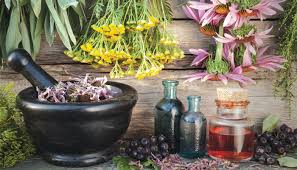
The use of medicinal plants for healing purposes by humans dates back to the earliest periods of humankind. Civilizations in ancient China, ancient Greece, India, North Africa and the Arabian Peninsula mentioned treatment with plants in written sources. The World Health Organization (WHO) reports that approximately 4 billion people worldwide initially seek to address health problems with herbal remedies. The global herbal medicine industry is growing rapidly with increasing consumer demand for natural and alternative health care options.
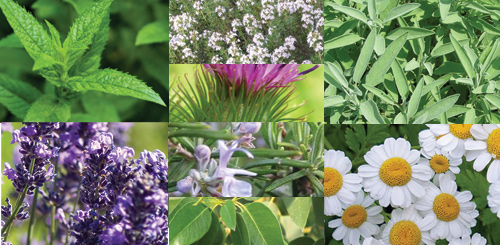
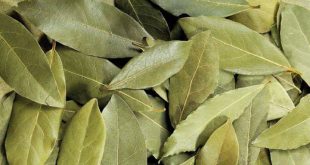
The global herbal medicine industry is projected to grow from 231.87 billion dollars to 428.08 billion dollars by 2031, exhibiting a compound growth rate of 9.15 percent during this period. Considering whole plants or powdered forms of herbs such as oregano, rosemary, sage, mint, marjoram and bay leaf, the global market is projected to grow from 5.8 billion dollars in 2022 to 6.17 billion dollars in 2023 and reach 7.93 billion dollars in 2027. Taking into account more detailed forms such as capsules, tablets and extracts, the global market is estimated to reach 117 billion dollars by 2029, with an annual growth rate of 7.3 percent. Located between the continents of Asia and Europe, Türkiye has held a significant place in the trade of both herbal medicines and spices for centuries.
While the exact number of medicinal plants used in Türkiye is unknown, it is estimated to be around 500; approximately 200 medicinal and aromatic plants are said to have export potential. However, currently, 131 medicinal and aromatic plants are included in the Ministry of Agriculture and Forestry’s list.
Türkiye possesses significant economic potential due to the presence of many herbal products in its flora that serve as raw materials in the herbal medicine, plant-based chemical, food additive and cosmetic industries, which are widely used in developed countries. This rich flora, which enhances Türkiye’s competitiveness in exports, holds significant value within the national economy. The sustainable production of Medicinal and Aromatic Plants (MAPs), the conservation of biodiversity and the promotion of agricultural practices that respect ecological balance are vital for the long-term sustainability of this sector. Furthermore, the development of this sector necessitates investments in research and development and scientific studies, thereby contributing to both scientific knowledge and creating economic value…

By Dr. Hüseyin Akdemir,
Specialist in Medicinal an Aromatic Plants