 THE GLOBAL WINDOW OF TURKISH FOOD AND AGRICULTURE The Global Window of Turkish Food and Agriculture Sector



Related Articles
Professor Dr. Meral Kekeçoğlu, Director of the Düzce University Beekeeping Research, Development and Application Centre, warned consumers to consume honey that has undergone pollen analysis, stating that they have observed that forest rose pollen has mixed with chestnut honey, whose yield has decreased due to climate change.
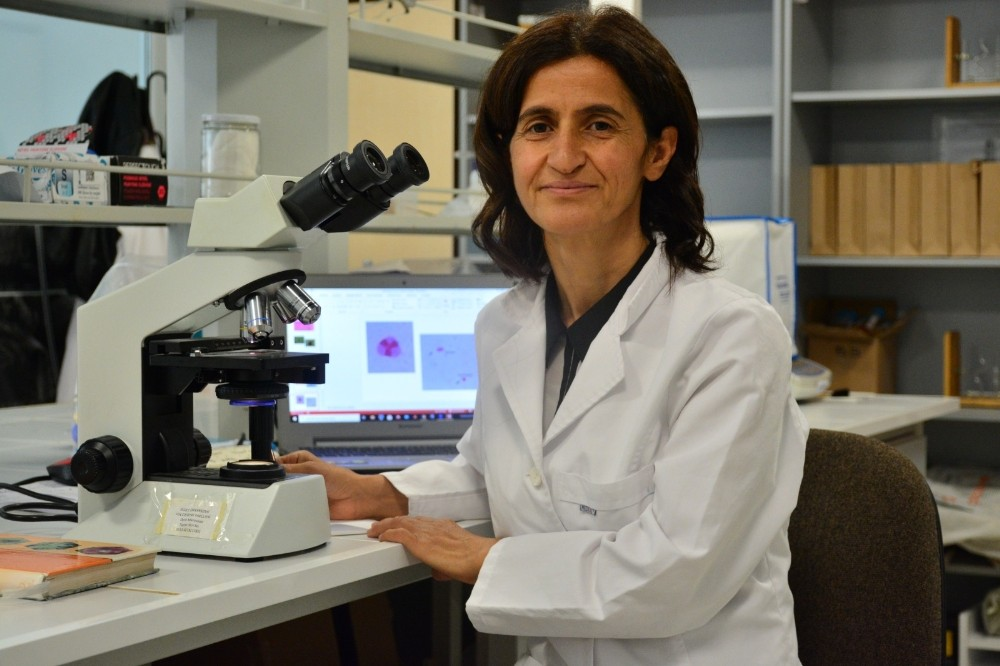
Professor Dr. Meral Kekeçoğlu told an Anatolian Agency (AA) reporter that they had observed the negative effects of climate change on beekeeping as a result of their investigations in production areas across Türkiye this year.
Dr. Kekeçoğlu highlighted that, in line with the Ministry’s circular, chestnut honey must contain 70 percent chestnut pollen and explained that they were conducting research on this issue across Türkiye.
Sharing the findings of their research, Dr. Kekeçoğlu noted, “In the analyses we conducted on honey samples taken from five provinces this year, very few of the 100 honey samples that qualify as chestnut honey meet the Ministry’s 70 percent pollen standard. The samples contained almost no chestnut pollen.
“The worst part is that we are seeing forest rose pollen mixed into chestnut honey. For this reason, I would like to warn the public to make sure that the honey they consume has undergone pollen analysis. If the honey we consume as chestnut honey contains forest rose pollen, then we may be at risk,” she added…