 THE GLOBAL WINDOW OF TURKISH FOOD AND AGRICULTURE The Global Window of Turkish Food and Agriculture Sector


Related Articles
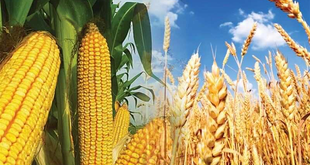

FAO has raised its latest 2025 production forecast for most major cereals this month, further strengthening indications of a generally favourable supply situation in 2025/26. Global cereal production is now pegged at 3 040 million tonnes, representing an increase of 6.0 percent compared to the previous year. Wheat and maize production estimates are lifted by approximately 2 million tonnes each this month, mainly reflecting upward revisions in Europe. Global rice production is forecast to expand by 2.0 percent in 2025/26 to an all-time high of 563.4 million tonnes (milled basis). This level would stand slightly above April expectations, largely due to more buoyant production results reported by officials in Cambodia (namely for the main-crop harvest), Cote d’Ivoire, and Mali.
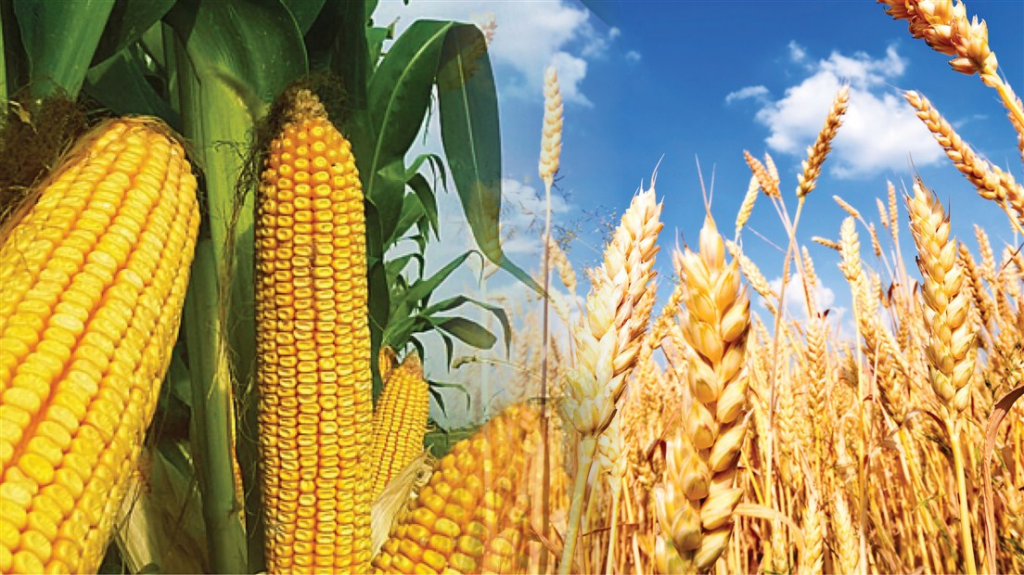
At 2 946 million tonnes, world cereal utilization in the 2025/26 season is expected to grow by 70.6 million tonnes (2.5 percent) from the previous season with increased usage of all the major cereals, especially maize, rice and wheat. A rise of 33.3 million tonnes (4.5 percent) in the use of maize for animal feed is the biggest single element of the expansion in utilization as large harvests have made both domestic and exportable supplies available at attractive prices. Overall global wheat use is raised marginally this month. While food use of wheat is revised downward following historical revisions made to the Islamic Republic of Iran, Mexico and Türkiye, this decline is more than offset by upward revisions to feed use and other use of wheat in the same countries. Despite a 0.4-million-tonne trimming since April, world rice utilization in 2025/26 remains forecast to expand by a robust 2.6 percent to reach an all-time high of 555.1 million tonnes, reflecting expectations of continued strong growth in food and non-food industrial uses of rice.
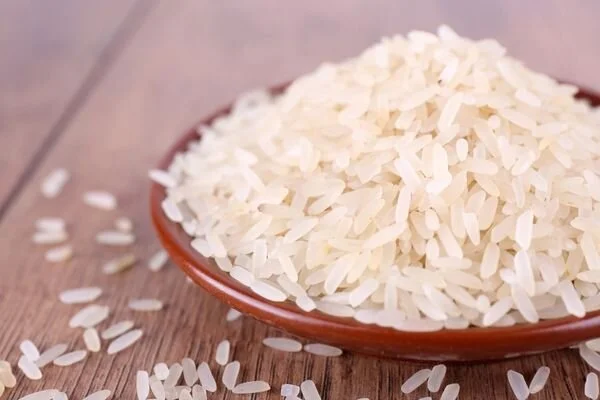
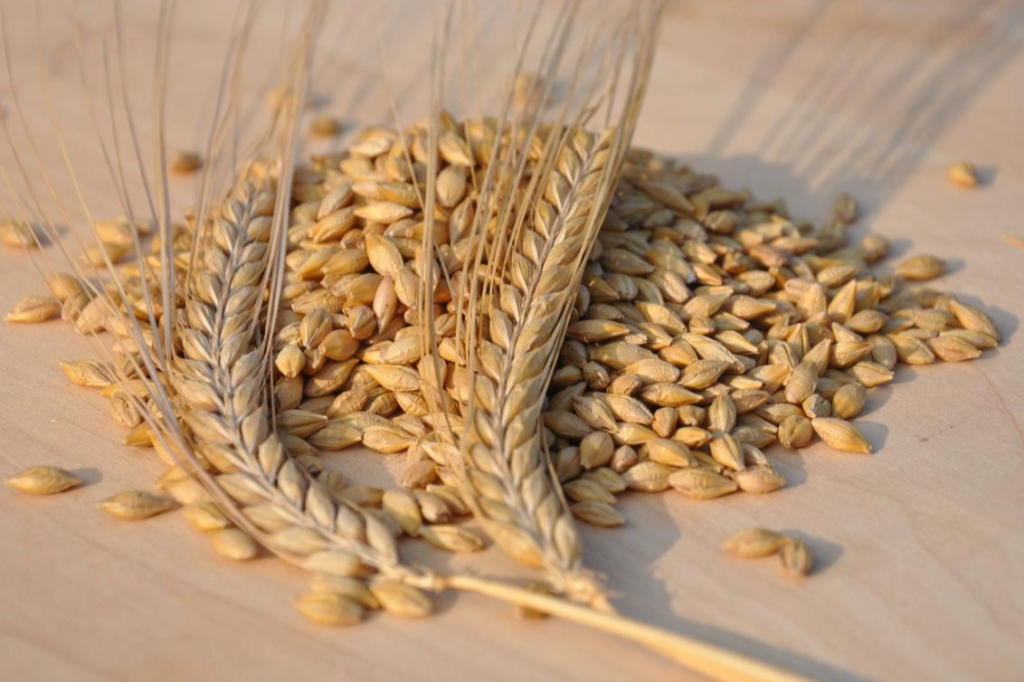
FAO’s forecast for world cereal stocks by the close of seasons in 2026 stands at 954.6 million tonnes, pointing to an increase of 9.6 percent above opening levels and indicating record global inventories for wheat and rice. The forecast for global cereal stocks is raised by just 3.1 million tonnes from last month, with a downward revision to the Islamic Republic of Iran more than offset by an upward revision to the Russian Federation, the latter on the latest reports of a better-than-expected wheat harvest in 2025. Stocks of coarse grains are also revised upward this month by 1.4 million tonnes, mainly reflecting higher estimates of reserves of barley, maize and oats, notably in Belarus.
Based on this month’s forecasts for stocks and utilization, the global cereal stocks-to-use ratio is forecast to rise from 29.6 percent in the 2024/25 season to 32.3 percent, indicating a comfortable supply level. Since April, FAO has raised its forecast of world rice stocks by 0.6 million tonnes, chiefly due to upgrades to anticipated reserves in Cambodia, consistent with the improved supply outlook for the country, and in Japan and the United States of America, owing to more subdued demand prospects. As a result, global rice stocks at the close of 2025/26 marketing years are now seen reaching a peak of 219.8 million tonnes, up 4.4 percent year-over-year and sufficient to cover 4.7 months of projected global rice utilization.
Source: www.fao.org