 THE GLOBAL WINDOW OF TURKISH FOOD AND AGRICULTURE The Global Window of Turkish Food and Agriculture Sector


Related Articles



Press release…
July 2026…
New Turning Point in Agriculture:
Climate, Water and Resilience Pressures Are Increasing
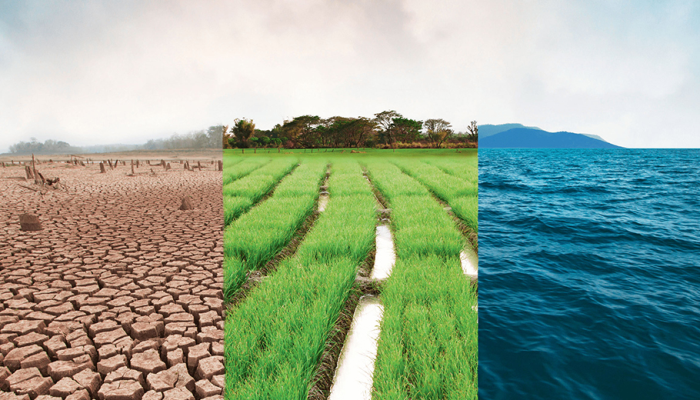
Climate change, increasing pressure on water resources, and rising food demand are making sustainability essential for the continuity of production in the agriculture and food sector. Rising temperatures, drought and extreme weather events directly affect production, and the sector is heading towards a new turning point.

Climate change, water stress and resource efficiency are becoming fundamental elements of production planning in the agriculture and food sector, while the sector’s capacity to adapt to changing conditions is becoming increasingly critical. Metsims Sustainability Manager Orhan Atacan states that the biggest risk in agriculture is no longer just increased costs, but that climate change directly threatens production itself.
Climate risk is becoming central to production…
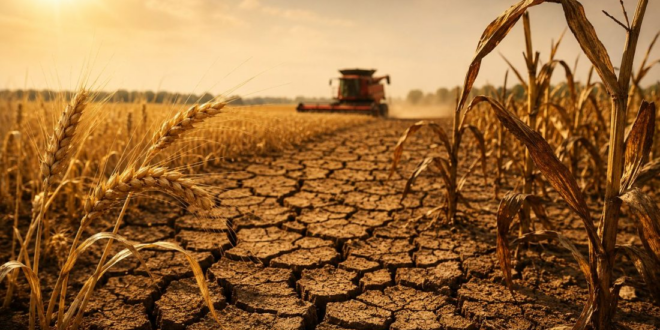
Rising temperatures, prolonged droughts, sudden downpours, hail and frost events, along with changing seasonal patterns, directly affect agricultural production. This leads to losses in yield and quality, and causes the reshaping of crop patterns in many regions. The effects of climate change are not limited to plant production alone. In livestock farming, heat stress, water scarcity and dwindling feed resources surge production costs while reducing productivity. The decline in the populations of many species, especially bees which play a critical role in pollination, weakens the ecosystem balance. Crop losses are now considered among the fundamental risk factors that must be foreseen in agricultural production.
Water management has become a critical threshold…
The efficient use of water in agriculture is becoming an increasingly strategic issue. The widespread adoption of drip irrigation systems, more systematic monitoring of water consumption and the evaluation of alternative water sources are coming to the forefront. In an environment where access to water is becoming more difficult, not only yield but also production per unit of water consumption is becoming a key performance indicator. However, uncontrolled irrigation practices in agriculture, inadequate management of illegal wells and unplanned water consumption in industry remain at high levels.
Consumers are questioning the production process more…
Consumers are now focusing not only on product price but also on the production process, the resources used, and environmental impacts. Digital technologies make the production chain from field to table traceable, increasing consumer confidence and providing a significant competitive advantage in export markets.
Food waste is a critical sustainability issue…
Reducing food waste is among the key topics of the sustainability agenda… According to data from the Turkish Ministry of Agriculture and Forestry, approximately 93 kilograms of food are wasted per person annually in Türkiye. Globally, approximately 17 percent of ready-to-eat food is wasted at the retail, household, and restaurant stages.
Explaining that increasing resource efficiency is critical for sustainable agriculture, Atacan added, “We must reduce consumption by preventing waste, ensure efficiency in resource consumption, especially water, in agriculture and focus on climate-resilient agriculture. Global warming and the climate crisis are common problems for the whole world, but their effects on the agriculture and food sector are critically important for a sustainable future.”