 THE GLOBAL WINDOW OF TURKISH FOOD AND AGRICULTURE The Global Window of Turkish Food and Agriculture Sector


Related Articles



October, 2026…
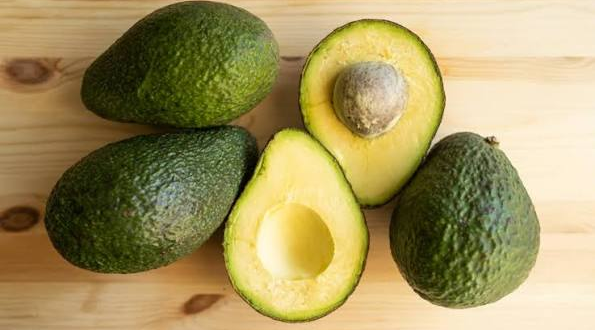
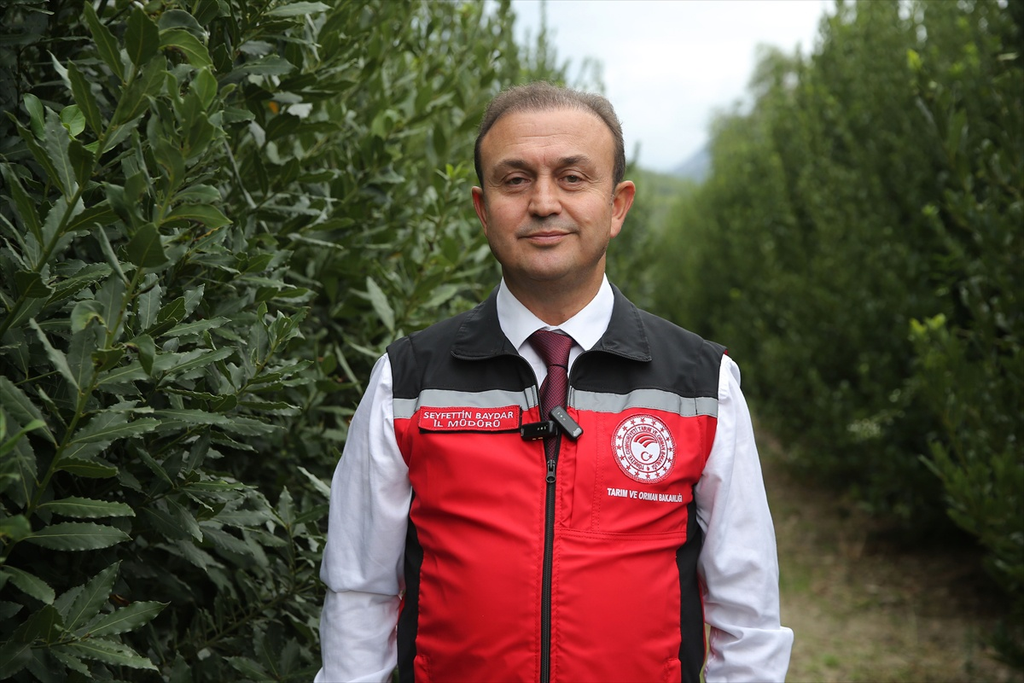
Avocado production in Muğla province, which began in 2011 on an area of 4 dekar, has now reached 843 decare and an annual yield of 506 tonnes. Seyfettin Baydar, the Provincial Director of Agriculture and Forestry, said that avocados have emerged as an alternative to citrus fruits and have become a source of income for producers.
The cultivation of alternative crops, particularly avocados, as well as pomegranates, artichokes, strawberries, blackberries, raspberries and blueberries, is becoming increasingly widespread in the region.
Seyfettin Baydar, Director of the Muğla Provincial Directorate of Agriculture and Forestry, told an Anatolian Agency (AA) correspondent that the regional location within the Mediterranean climate zone, combined with the microclimatic characteristics observed in certain areas, enables the cultivation of a variety of crops.
Noting that avocados have emerged as a particularly prominent alternative to citrus fruits, Baydar stated that demand for the product in the domestic market is increasing, which is encouraging producers to establish new orchards.
Baydar explained that avocado cultivation in Muğla has developed particularly in the Gökova region of the Ula district, as well as in Fethiye, Dalaman and Ortaca districts, adding that the climatic conditions in these regions are favourable for growing the crop.
Emphasising that the first production began in 2011 on a 4-decare plot in Gökova region, Baydar said, “Since then, the cultivation area has expanded to 843 decares and annual production has reached 506 tonnes.”
Pointing out that approximately 68,000 tonnes of avocados were produced across an area of around 62,000 decares throughout the country, Baydar concluded, “In addition to climatic conditions, farmers’ shift towards alternative crops had also played a significant role in the growth of production in Muğla province.”