 THE GLOBAL WINDOW OF TURKISH FOOD AND AGRICULTURE The Global Window of Turkish Food and Agriculture Sector


Related Articles

In the Black Sea region, climate change is affecting the yield and planting times of agricultural products, while farmers complain of drought, sudden temperature changes and increased pests. Experts emphasize the need for adaptation strategies to cope with these effects.
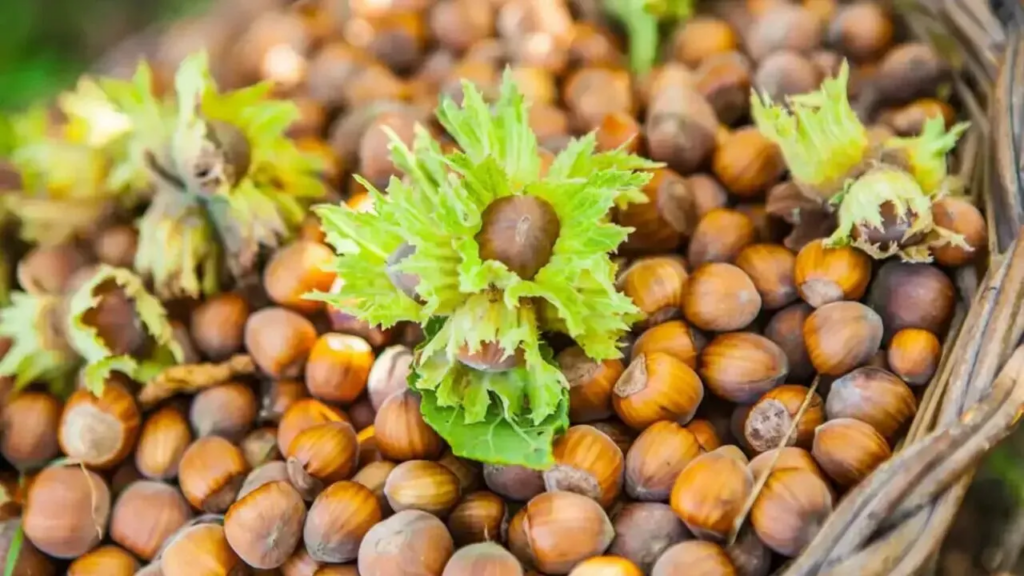
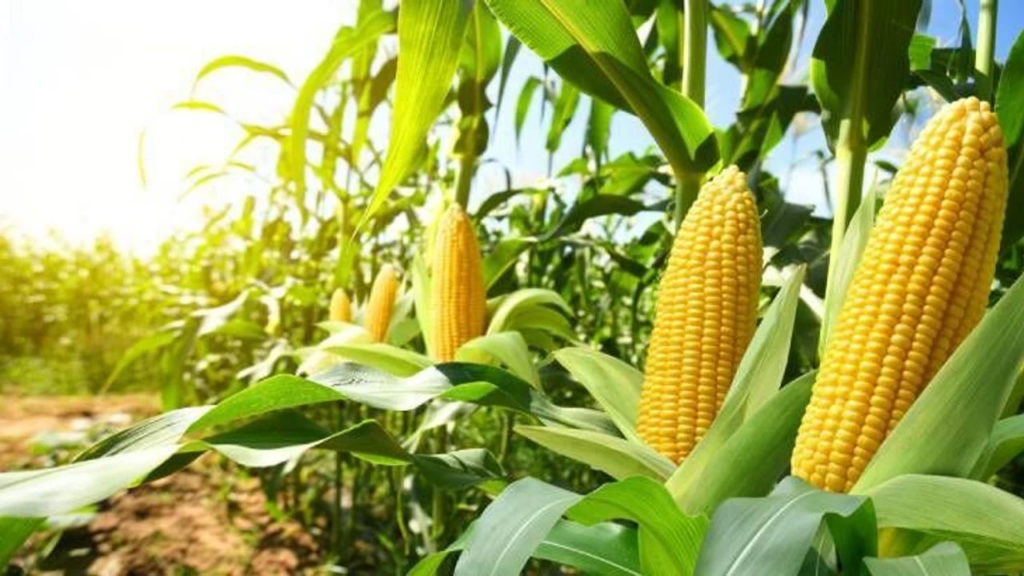
The Black Sea region is known as one of Türkiye’s important agricultural belts, producing hazelnuts, maize, tea, vegetables and fruits. However, signs of climate change in recent years; rising temperatures, changes in rainfall patterns and extreme weather events are making agricultural production in the region difficult. Farmers state that they are facing decreased yields, reduced product quality and increased costs.
Interviews with agricultural experts and agricultural engineers reveal the multifaceted effects of climate change in the Black Sea region. While rainfall was once seen during certain periods in previous years, it has become irregular and drought and extreme heat are causing yield losses in products such as hazelnuts and maize. One farmer said, “In the past, rains in June-July were never a surprise, but now there are long periods of drought during that time. This causes the crops to dry out.”
Experts point out that climate change is not limited to temperature and rainfall, but also increases the pressure of harmful insects and diseases. For example, pest species that were rarely seen in the past can survive thanks to mild winters and cause damage to producers in the spring. This surges production costs and the need for chemical control.
Furthermore, as soil moisture decreases in agricultural lands in the region, the need for irrigation soars, creating an additional financial burden for small producers. Another farmer said, “We need more irrigation water now. But this also increases the cost. Sustainability is becoming more difficult for small farmers.”
The effects of climate change on agricultural production in the Black Sea Region are becoming more pronounced every year. While farmers have to contend with decreased yields, increased costs and new pest species, experts emphasize the importance of empowering producers with climate-adaptive farming techniques. For the sustainability of agriculture in the region, it is necessary to accelerate work on strategies such as boosting government support and spreading modern irrigation and resistant crop varieties…