 THE GLOBAL WINDOW OF TURKISH FOOD AND AGRICULTURE The Global Window of Turkish Food and Agriculture Sector


Related Articles
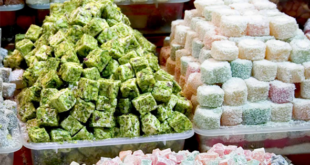
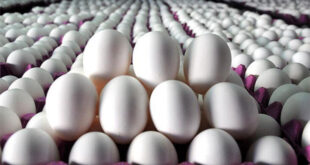
Food supply security is an integral part of not only agricultural policies, but also public health, economic stability and national security. The world’s growing population, the intensifying effects of climate change, wars and trade barriers are making access to food increasingly fragile. Even in a country with high agricultural potential like Türkiye, these threats are directly felt and food supply security emerges as a strategic issue. Food supply security is not just a matter for producers or industrialists; it directly affects the lives of everyone at the dinner table. Ensuring a product reaches the table safely is closely linked to the peace and solidarity of society. Today, the climate crisis (frost, drought, and extreme temperatures) is seriously negatively impacting agricultural production. On the other hand, food losses and waste in Türkiye lead to approximately 12 million tonnes of food being thrown away every year. Therefore, ensuring food supply security also means strengthening social solidarity and a culture of sustainable living.
Türkiye has never been a “fully” self-sufficient country. However, we can say that it is a self-sufficient country and even has significant food export potential in its region. The key is self-sufficiency not in every product, but especially in staple foods like wheat, barley, oilseeds, sugar, potatoes and onions. The fact that self-sufficiency rates in wheat are below 86 percent and in oilseeds below 50 percent reveals continued dependence on imports for many strategically important products.
On the one hand, producers complain about not making a profit, consumers about not being able to buy products at affordable prices, and food manufacturers about not being able to find raw materials of sufficient quality and quantity. This paradoxical situation points to structural problems in agriculture. This cycle shows that these structural problems in agriculture can no longer be postponed. At this point, food manufacturers should pay more attention to the problems of agriculture and become not only buyers but also partners in finding solutions.
As the sector that processes agricultural raw materials, the food industry should play an active role in addressing structural problems in agriculture, in the creation and implementation of agricultural policies, and should cooperate with the Ministry of Agriculture. In this context, the food industry should be much more comprehensive and guiding in terms of future raw material supply. In the past, the food industry’s involvement with agriculture has been mainly limited to raw material procurement. This area has been largely left to the public sector. While contract farming has become widespread recently, it is evident that this is insufficient. Furthermore, operational and legal issues in contract farming need to be resolved. The fact that some large food industry companies are turning to direct production, at least partially, to meet their own raw material needs is also promising. This trend is important for the future evolution of the industry into a production model that does not abandon the farmer, but rather stands by them.
In this process, the food industry plays a critical role, acting as a bridge between producers and consumers in the middle of the chain. The food industry must develop innovative solutions to reduce losses through R&D and technological investments, provide guaranteed markets for producers through contract farming models, and support sustainable production. Investments in energy and water efficiency, traceability and transparency through Blockchain-based systems, reducing waste through food banking practices, and supporting low-income groups are important parts of these responsibilities. The steps the industry takes in this direction will strengthen not only its economic competitiveness but also the public’s access to food.
On the other hand, food supply security cannot be solved solely through agricultural or industrial policies. Strong cooperation between the public sector, industry, universities and consumers is essential. Preparing a national Food Supply Security Strategy, creating strategic reserves of critical products, supporting industry with stronger incentives for innovative technologies and reducing waste through consumer information campaigns should be fundamental steps. Furthermore, establishing common data and planning platforms that integrate agriculture and the food industry has become inevitable. Data-driven decision-making processes will answer the questions of “how much of which product should we produce, where, and how?” in the future.
In conclusion, food supply security directly affects not only a country’s economic development but also its social stability and health. The country’s success in this area should be built on the principles of innovation, efficiency, transparency and solidarity. Türkiye should aim not only to be self-sufficient but also a significant food exporting country in its region. The food industry should play a crucial role here with its own knowledge and experience. I believe we have the strength and resources to achieve this. Türkiye’s food supply security is not a matter of the future, but a responsibility of today.

By Professor Dr. Mehmet Pala,
Chair of the Federation of Food and Drink Industry
Associations of Türkiye (TGDF) Science Board
Source: www.tgdf.org.tr