 THE GLOBAL WINDOW OF TURKISH FOOD AND AGRICULTURE The Global Window of Turkish Food and Agriculture Sector


Related Articles

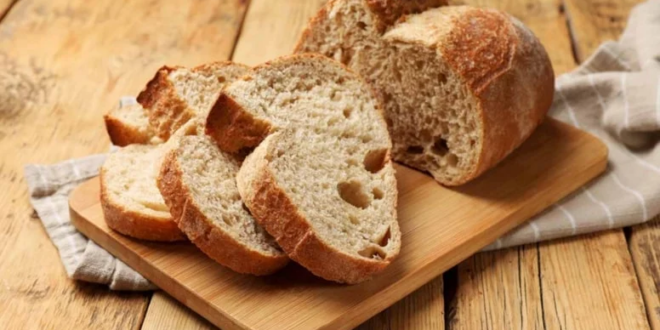
Bread is a food prepared by kneading a dough made from wheat flour, potable water, salt, yeast (Saccharomyces cerevisiae) and if necessary, additives permitted by the “Turkish Food Codex Regulation,” as well as sugar, enzymes and wheat gluten, according to appropriate techniques. It is then shaped in various ways, left to ferment and baked. Bread is a basic food item that meets our carbohydrate needs in our daily diet. Depending on the type, bread contains significant amounts of certain vitamins and minerals. B1, B2, niacin, calcium, phosphorus and zinc are a few examples. On the other hand, it is also low in fat. For a balanced diet, when consuming bread daily, other carbohydrate sources containing grains consumed during the day (rice, pasta, pastries, dough-based desserts, etc.) should also be considered.
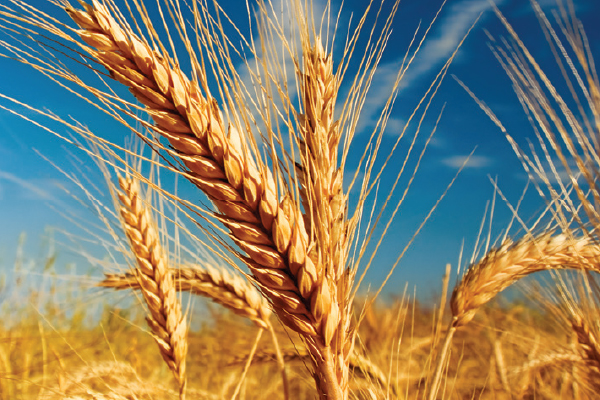
Any type of bread produced within legal limits can be consumed without food safety risks. However, from a nutritional perspective, whole wheat bread is more nutritious and has a lower glycemic index than white bread.
The rate at which carbohydrates in foods raise blood sugar is called the Glycemic Index. Even if they contain equal amounts of carbohydrates, foods have different effects on raising blood sugar. Some foods are defined as having low glycemic index values, while others are high. Among similar foods, those with a low glycemic index are considered healthier. When a high-glycemic index food and a low-glycemic index food are consumed together, the glycemic index will be in the middle. However, it should be remembered that even with a low glycemic index, carbohydrate sources should be consumed in a balanced way within our diet.
With a balanced diet, bread is not expected to cause any disease, but it is advisable for diabetics to consume bread while considering the amount of carbohydrates they can consume daily.
Gluten is a protein that occurs naturally in wheat and some grains such as barley and rye. Gluten is what creates the soft and flexible structure we expect in dough and supports leavening. Therefore, extensive research has been conducted and special formulas developed to make gluten-free bread, cakes, pasta and other baked goods resemble the structure of conventional products.

There is no scientific data proving that gluten is harmful to health. However, people with certain specific conditions, such as celiac disease, should avoid consuming gluten. This is similar to why people with milk allergies should avoid milk or people with almond allergies should avoid almonds.
White bread; commonly known as white bread, is produced from white flour obtained by grinding the remaining part of the wheat grain after separating the bran and germ. Since the fiber and vitamin content of the wheat grain is mainly in the bran and germ, white bread is weaker in nutrients and fiber compared to whole wheat and bran bread. While it’s acceptable to consume it, because fiber and other elements are removed, it raises blood sugar more quickly and doesn’t provide a long-lasting feeling of fullness; it can be considered a purely carbohydrate source. It should be consumed in a balanced way.
Whole wheat bread is made from whole wheat flour. As the name suggests, this bread contains all parts of the wheat grain. It contains the vitamins and fiber of wheat. It is more nutritious than white bread and raises blood sugar more slowly. However, it is still a good source of carbohydrates. It should be consumed in a balanced way, taking into account the amount of carbohydrates that should be consumed in the daily diet.
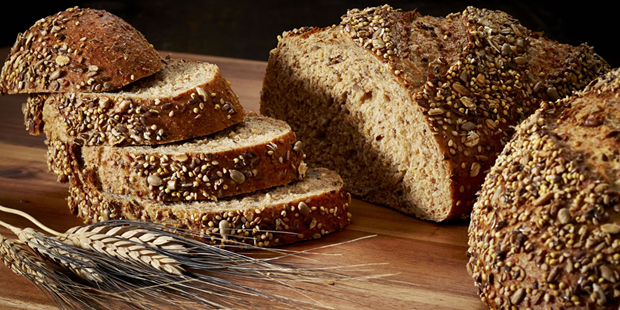
Since wheat is the basic grain of bread, gluten is a substance found in the essence of bread. Flour made from wheat with a high gluten content has a higher plant protein value. Bread made from high-quality flour with a high gluten content is soft, pliable, and easy to eat. Everything made with flour contains gluten. Only gluten-free breads, which do not contain wheat flour and are produced with special technologies and clearly state on their labels that they do not contain gluten, do not contain gluten.
Enriched bread is bread to which vitamins and minerals that are deficient in the population have been added externally. Since bread is a staple food not only in our society but in many societies, it is a food that can be effective in carrying some deficient nutrients.
Some countries have therefore mandated the enrichment of bread with nutrients such as iron, calcium and iodine. There is no such requirement in our country, but there are no restrictions either. Currently, the production of enriched bread is very limited among the breads on the market.
The formulations for adding vitamins and minerals to foods, including bread, are specified in the Turkish Food Codex Supplement Foods Regulation.

Dr. Mehmet Çetin Duruk,
Board Chairman of the Food Ingredients and Developers Industrialists’ Association (GIDABİL)
Source: www.tgdf.org.tr