 THE GLOBAL WINDOW OF TURKISH FOOD AND AGRICULTURE The Global Window of Turkish Food and Agriculture Sector


Related Articles



European researchers find extreme climate events, such as droughts, floods, heavy rainfall and more, result in both domestic and international price hikes for agricultural products such as coffee, cocoa, rice, among others…
August, 2025…
Global food prices are on the rise with extreme weather conditions caused by climate change, as prices of coffee, cocoa, and rice surged in various countries as a result of floods, storms and high temperatures.

The impact of climate change on food prices, based on various reports from different countries, was evaluated in a recent study by European researchers titled “Climate extremes, food price spikes and their wider societal risks.”
Food products were found to be affected differently by where they are grown, the study showed. Severe drought in southern Europe in 2022-23 led to a 50 percent rise in olive oil prices over a one-year timeframe across the EU in January, while potato prices in the UK surged 22 percent in early 2024 due to high precipitation.
Heat waves in East Asia, particularly in the majority of South Korea, Japan, China and India, resulted in cabbage prices rising 70 percent in September 2024, Japanese prices increasing 48 percent and Chinese vegetable prices going up 30 percent in June and August.
The Vietnamese coffee species robusta saw a 100 percent price hike in July due to a heat wave in February 2024, while Indonesian rice soared by 16 percent following a drought in 2023.
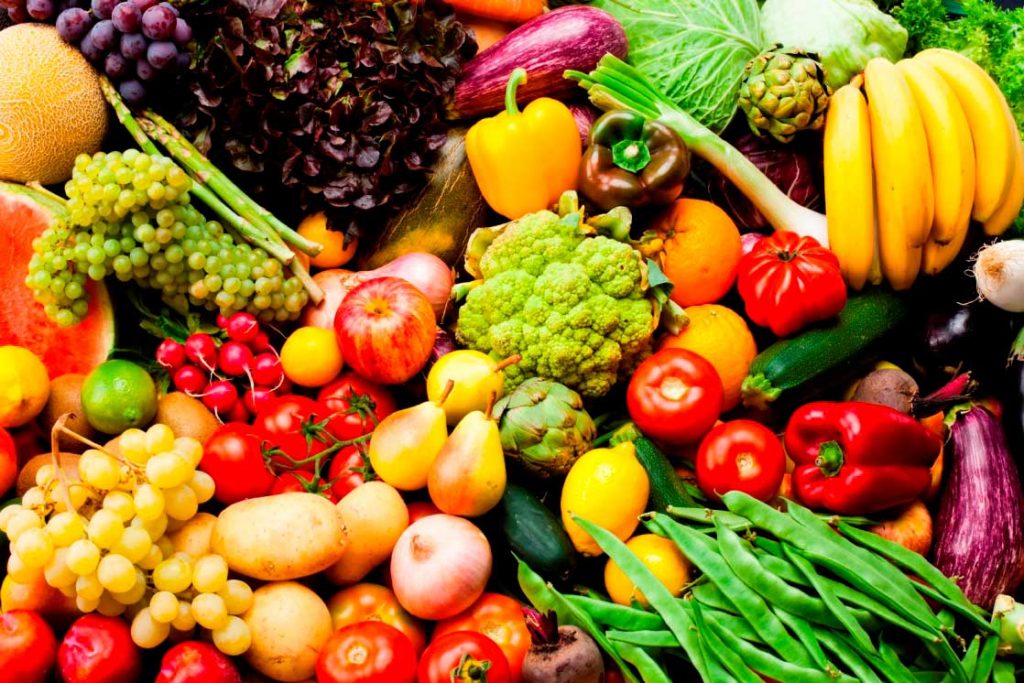
Food prices in Pakistan’s rural areas jumped by 50 percent in August 2022, following floods, while a heat wave in May 2024 drove Indian onion and potato prices to climb by 89 percent and 81 percent, respectively, in the second quarter of the year.
Floods in 2022 caused lettuce prices in Australia to skyrocket 300 percent, while heat waves in March 2024 drove maize prices in South Africa up 36 percent. Ethiopia’s 2022 drought caused food prices to rise by 40 percent in 2023.
In 2022, drought in California and Arizona—two states that account for more than 40 percent of American vegetable production—caused vegetable prices to skyrocket 80 percent by November 2022.
Following a drought in Mexico in 2023, fruit and vegetable prices have risen by 20 percent since the beginning of 2024, according to the study.
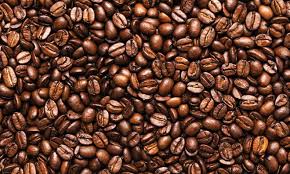
Climate change boosted prices not only in each country’s domestic markets but also on a global scale. Brazil, the world’s largest coffee producer, experienced a drought in 2023, driving up global coffee prices by 55 percent in August 2024.
Ghana and the Ivory Coast, which account for roughly 60 percent of global cocoa production, experienced extreme heat in February 2024. The prolonged drought beginning in 2023, combined with heat waves, resulted in a nearly 300 percent spike in cocoa prices in April 2024, according to the study.
Food price hikes caused by climate change can also pose a number of social risks, as they affect food security, particularly for low-income households, making them more vulnerable to disease and putting additional strain on the healthcare system and public spending to meet the need.
Rising food prices can also cause overall inflation, posing a risk to developing countries where food prices account for a significant portion of inflation…