 THE GLOBAL WINDOW OF TURKISH FOOD AND AGRICULTURE The Global Window of Turkish Food and Agriculture Sector


Related Articles



August, 2025…
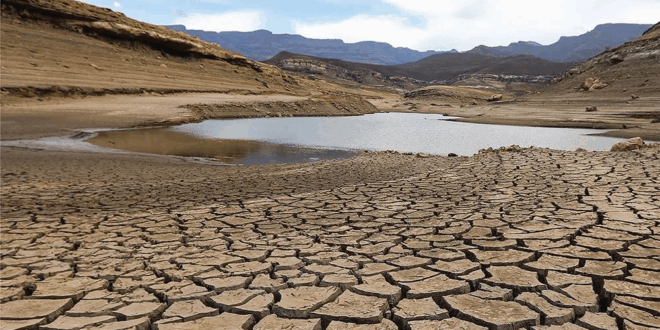
While the impacts of climate change are often associated with temperature increases, it has been demonstrated that the most significant impacts are felt through the water cycle. Irregular rainfall, prolonged droughts, sudden and severe floods, the gradual depletion of groundwater resources, and deterioration in water quality are among the direct consequences of this crisis. Therefore, international organizations, particularly the United Nations (UN-Water), have defined climate change as a water crisis.
What is the impact of climate change on water?
Reports from the Intergovernmental Panel on Climate Change (IPCC) indicate that even small temperature increases can cause significant disruptions to the water cycle. Türkiye, located in the Mediterranean climate zone, is directly affected by these effects. It has been revealed that the Mediterranean basin is warming 20 percent faster than the global average, with significant decreases in precipitation and increased frequency of droughts. The country’s annual per capita water supply is estimated to be approximately 1,300 cubic meters, placing Türkiye in the “water-stressed countries” category according to the Falkenmark index. Projections indicate that our water potential could decrease by 25 percent by the end of the century.
The Drought Hotspots report, prepared by the United Nations Convention to Combat Desertification (UNCCD), states that 88 percent of Türkiye’s land is at risk of desertification. A 30 percent decrease in precipitation, a 4-5 degree Celsius increase in temperatures in coastal areas and a 5-6 degree Celsius increase in inland areas are expected by the end of the century.
Following a dry year in 2022, all regions except the Black Sea were affected by drought conditions in 2023. The most severe damage was recorded in the Aegean, Central Anatolia, Southeastern Anatolia, Mediterranean and Thrace regions. According to data from the Turkish State Meteorological Service for the 2024-2025 water year, Türkiye experienced 26 percent below its long-term average precipitation over a 10-month period and the country experienced a severe meteorological drought, with rainfall reaching its lowest level in 52 years. Rainfall decreases in Southeastern Anatolia and Central Anatolia, in particular, reached nearly 60 percent and in the Marmara and Aegean regions, it reached its lowest levels in an 18-year period.
Climate change is having serious impacts on Türkiye’s water supply-demand balance. On the supply side, decreased rainfall and increased evaporation are restricting natural water renewal. Groundwater depletion and the shrinkage of lakes and dams are also occurring. On the demand side, it has been reported that 70 percent of total water use is accounted for by agriculture. Traditional irrigation methods cause surged demand during dry periods, further surging pressure. The effects of drought in cities are reflected in “too little water, too much water, too much polluted water,” while insufficient resources, flash floods and declining water quality exacerbate water stress in metropolitan cities.
Successful water management practices worldwide…
China’s Sponge Cities approach has made cities more resilient to rainfall and floods and rainwater has been recycled back into the environment. Vienna, Berlin and in New York, rainfall is being managed more consciously through parks, permeable surfaces and underground retention systems supported by green infrastructure.
In Brisbane, a comprehensive water management approach has been developed based on lessons learned from climate shocks caused by floods and droughts and the International Water Association (IWA) has adopted the principles of Water-Wise Cities. Wastewater reuse, water conservation strategies, and education programmes have been implemented and thanks to government policies and community campaigns, Brisbane has earned its reputation as a “water-saving city.”
The “Water-Wise Cities” principles provide a framework that envisions water not only as a technical service but also as a value integrated with the ecosystem, society and economy. This approach, developed by the IWA, is built on four main dimensions: developing a water-sensitive vision and ensuring inclusive governance; strengthening blue-green infrastructure by building cities in harmony with nature; circularizing resources by managing drinking water, wastewater and rainwater in an integrated manner; and raising public awareness and resilience to crises. This approach aims to improve cities’ ability to adapt to climate change, as well as to address water security and life The goal is to become more resilient in terms of water quality and ecological sustainability.
According to the Drought Hotspots report, Türkiye is considered one of the most vulnerable drought regions in the Mediterranean. Rising temperatures, decreasing precipitation, rapid groundwater withdrawal and urban water pressures indicate that pressure on our country’s water resources will rise in the coming years.
In recent years, policies designed to combat drought risk in Türkiye have been implemented…
The Water Efficiency Campaign (2023) in Türkiye has launched initiatives to prevent leakage, reuse graywater, rainwater harvesting, and public awareness campaigns. The Water Efficiency Campaign aims to instill a culture of savings, loss and leakage reduction and reuse across all stakeholders, from individuals to municipalities. This vision aligns with the IWA “Water Wise Cities” principles. Basin-based management plans have been prepared and drought response actions have been developed for many of our basins. As part of agricultural transformation policies, drip irrigation and water-based agriculture have been promoted and drought-resistant crops have been introduced. Nature-based solutions have been supported, including the restoration of wetlands, the protection of forests and the water-sensitive cities approach.
In this context, water efficiency policies, basin-based management plans, agricultural transformation practices and nature-based solutions implemented under the leadership of our Ministry of Agriculture and Forestry to mitigate the negative impacts of climate change on water resources are of strategic importance for increasing our country’s water security, strengthening adaptation to climate change and leaving a more resilient environment for future generations…

By Dr. Tuğba Evrim Maden,
Policy Development Coordinator at the Turkish Water Institute
Source: Anatolian Agency (AA)