 THE GLOBAL WINDOW OF TURKISH FOOD AND AGRICULTURE The Global Window of Turkish Food and Agriculture Sector


Related Articles



October, 2026…
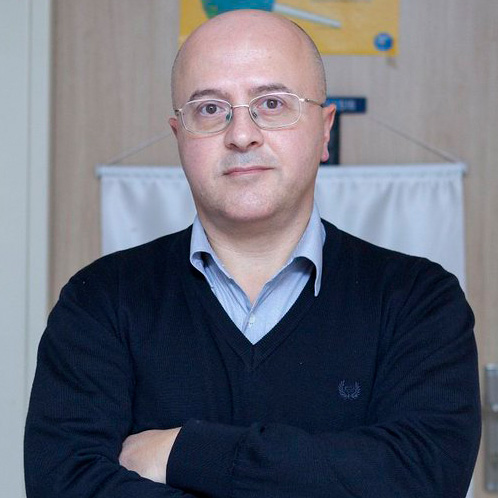
Professor Dr. M. Levent Kurnaz, Director of the Boğaziçi University Centre for Climate Change and Policy Studies, authored the first article in the Economic Policies Research Foundation of Türkiye’s (TEPAV) special series dedicated to COP31. Known for his work on climate modeling and the impacts of climate change on Türkiye and the Mediterranean Basin, Kurnaz examines the implications of drought and the water crisis for the country’s future.
Drought is temporary; the water crisis is structural
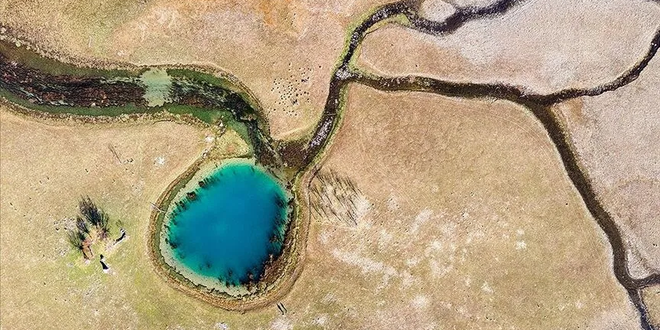
Dr. Levent Kurnaz notes that drought arises when precipitation falls below normal levels for a specific period, whereas a water crisis becomes a permanent issue when existing resources prove insufficient to meet growing demands. According to calculations by the State Hydraulic Works (DSİ) cited in the article, data on annual usable water potential and current population indicate that Türkiye has approximately 1,300 cubic metres of usable water per capita annually. This level places the country among countries experiencing water stress. Dr. Kurnaz warns that, due to population growth, rising temperatures and increasingly erratic precipitation patterns, the per capita water availability could drop below the 1,000-cubic-metre threshold for water scarcity.
COP31: An opportunity for concrete steps
According to Dr. Kurnaz, COP31—to be held in Antalya—offers an opportunity to bring the issue of water scarcity to the forefront for both Türkiye and the Mediterranean Basin. Key recommendations include leveraging climate finance for infrastructure investments (such as water distribution networks), efficient irrigation and wastewater reuse, as well as strengthening data sharing among countries in the region. The key warning is clear: the effectiveness of measures taken against water scarcity will be determined not by the messages delivered at the summit, but by the practices implemented afterward.
Pointing out that water scarcity is not a problem that can be solved by waiting, he noted, “Every step taken today—a farmer switching to drip irrigation, a network with leaks repaired, a basin-wide dataset collected and shared—will determine the future trajectory of per capita water availability a decade from now. Türkiye still has room to maneuver on this issue, but that window of opportunity is narrowing with each passing year.”