 THE GLOBAL WINDOW OF TURKISH FOOD AND AGRICULTURE The Global Window of Turkish Food and Agriculture Sector


Related Articles

Press release…
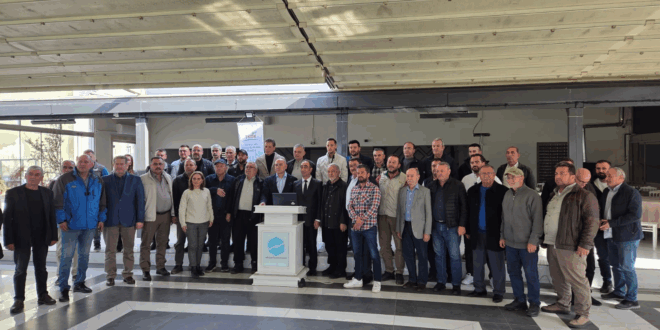
Akhisar Commodity Exchange Chairman Alper Alhat came together with olive oil producers. At the meeting, which was also attended by Murat Akın, Manisa Provincial Coordinator of the Agriculture and Rural Development Support Institution (TKDK).
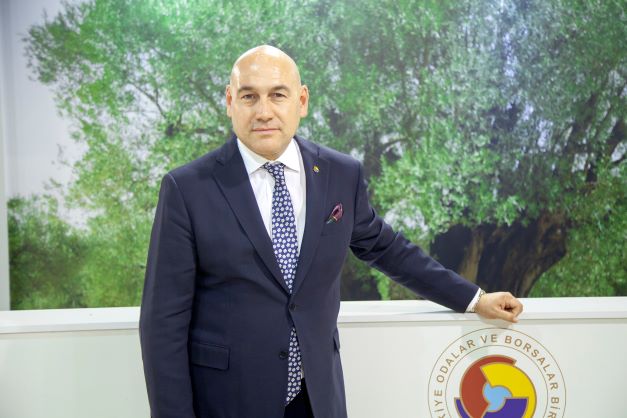
Pointing out that a two-phase model was imposed on olive oil factories because they were polluting the environment, Alhat said, “Threatened with fines, factories were forced to use olive oil mills. But we see that they are also releasing vegetation water into streams. There used to be small, small discharges, but now it’s all in one go. Is this the solution? Our factories’ revenues have shrunk even though nothing has resolved the problem. This model is unsustainable.”
Alhat claimed that olive oil factories are taking the easy way out and secretly releasing vegetation water into the environment instead of treating it or turning it into a valuable product. He also emphasized that despite this, the prices paid to olive oil producers are decreasing every year. Underlining that the current system is unsustainable, Alhat explained, “Integrated olive oil factories are the solution. There are 128 olive oil factories operating in Akhisar and surrounding districts and approximately 1,600 throughout the country. Most of our olive oil factories operate on a miller model. This means the producer processes the olives they bring into oil, earning a portion of the oil as compensation for their labour. After the oil is harvested, the olive pomace remains with the producer. As a general rule, the secondary outputs from production are either used as valuable products or become waste that needs to be disposed of, which means extra costs. So, if you can make good use of it, it’s money; if you can’t sell it, it’s trouble…”
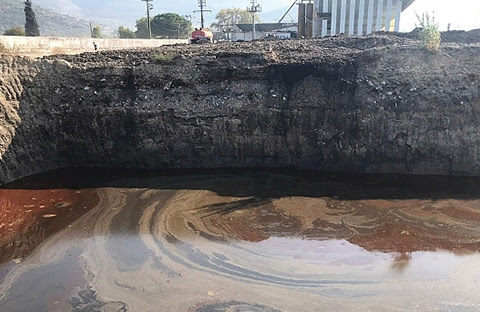
“If we recall the past, in the old three-phase model, dry olive pomace was sold to olive pomace plants and because we didn’t know how to use it, vegetation water was released uncontrolled into streams, lakes and seas. Vegetation water, rich in polyphenols, polluted the environment because it binds dissolved oxygen with its antioxidant properties, killing aquatic life. What was wrong or bad here wasn’t the vegetation water itself. It was the discharge of this water into streams. For years, vegetation water was being used as a waste product. They portrayed it as a bogeyman. If you don’t know how to use it properly and release it uncontrollably into nature, what’s the product’s fault? Anything you don’t know how to use can be dangerous and harmful.”
NOT WASTE, BUT GOLD!
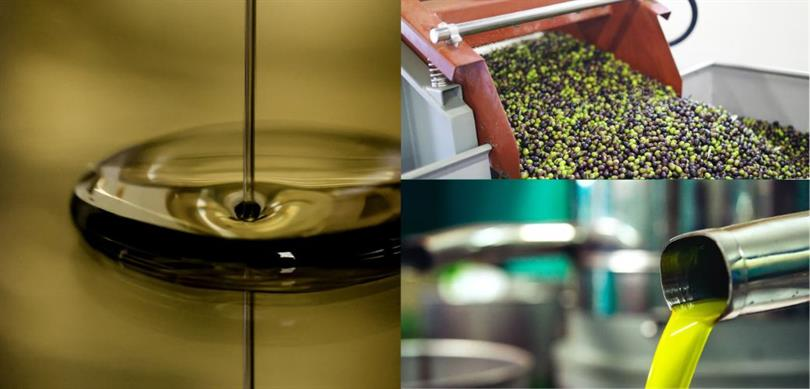
Pointing out that vegetation water isn’t waste as commonly thought, but a raw material that can create high added value when processed correctly, Alhat said, “Vegetation water is actually full of very valuable compounds. For example, there are polyphenols that can be used in the pharmaceutical and chemical industries. While people rave about the ppm polyphenols in olive oil, tonnes of them are being wasted here without anyone realizing it. There’s potassium, phosphorus, various trace elements and vitamins.”
IT’S BEING GIVEN TO STREAMS AGAIN…
Alhat stressed that the promises made to the sector and the ministry during the transition to the two-phase system were not kept, saying, “All the factories’ water was collected in olive pomace facilities, but now they secretly release it into streams. What’s changed? There’s more odor, more environmental pollution and yet olive oil factories’ olive pomace revenues are decreasing daily.”
MONOPOLIZATION IS COMING…
Alhat, who also raised allegations that olive pomace plants are becoming monopolized, warned, “From what we’ve heard, olive pomace plants are now thinking of taking money instead of paying. If a significant revenue stream closes and a new one opens, factory owners will be forced to demand more rights from farmers.”
HERE IS THE SOLUTION!
Indication that the sector’s way out lies in a simple yet workable model, he noted, “We have a solid project within our resources and capabilities. More advanced processes and higher added value are possible, but we will start from the first rung of the ladder. We will apply to the Turkish Economic and Coordination Agency (ARDSI) and request that they create a new support model for olive oil factories. We will request a three-phase decanter grant and or subsidized loan support for each factory for pit extraction and secondary extraction.”
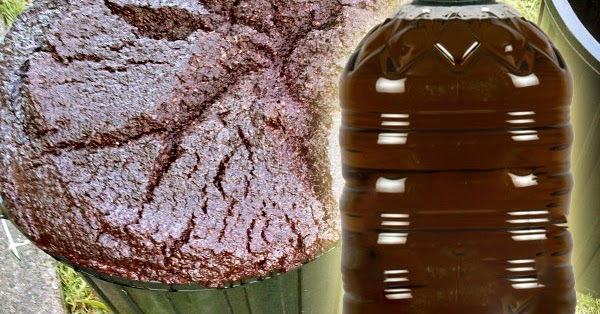
Highlighting that the new model is a true zero-waste project, he added, “I spoke with a feed factory and they stated that they could purchase any seedless, low-fat pomace they could find and use it in feed. Needless to say, the seeds are already a valuable fuel. The vegetation water will be returned to the farmers, who will use it as free liquid fertilizer for their own gardens. Our project is that simple. No pollution. No extra costs. There’s efficiency and income.”
OPENING A NEW FACTORY SHOULD BE REQUIRED TO A LICENSE…
Alhat also addressed the drawbacks of anyone opening a factory wherever they want, concluding, “To open a new olive oil factory, the presence of olive trees in the area and the factory’s capacity should be taken into account to prevent excessive competition.”