 THE GLOBAL WINDOW OF TURKISH FOOD AND AGRICULTURE The Global Window of Turkish Food and Agriculture Sector


Related Articles
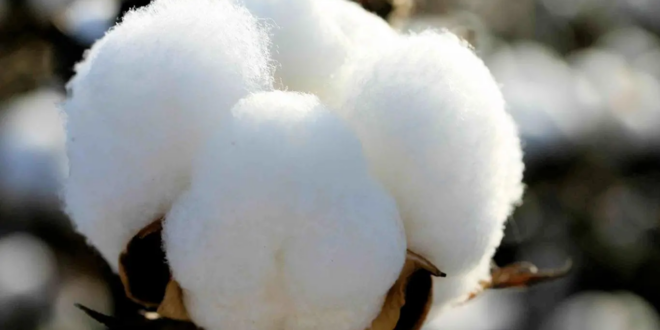
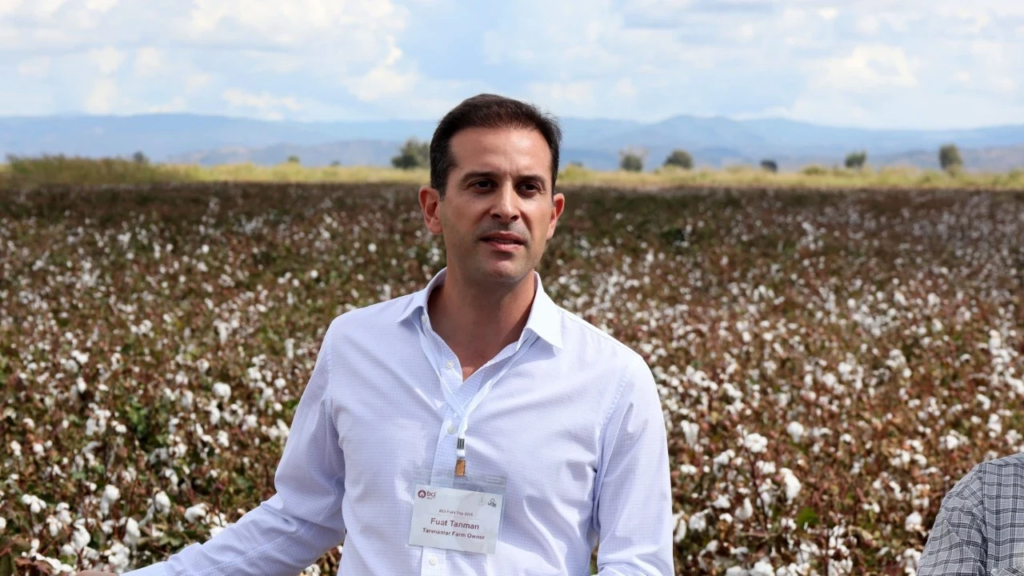
Fuat Tanman, a member of the IPUD Board of Directors, unveiled that Türkiye has experienced a dramatic decline in cotton production, stating that four years ago 75 percent of the textile industry’s needs were met by domestic cotton, whereas this year that figure is set to fall to 25 per cent.

Fuat Tanman, a member of the Board of Directors of the Better Cotton Practices Association (İPUD), pointed out that Türkiye consumes more cotton than it produces and is therefore forced to import, arguing that domestic production must be encouraged to ramp up output and thereby ensure supply security.
Tanman, who noted that the supply of fibre cotton could fall to around 400,000 tonnes this season due to a reduction in planting areas, said: “The country’s annual fibre cotton consumption is around 1.5 million tonnes. In 2022, with a record production of 1.1 million tonnes, 75 percent of consumption was met by domestic cotton. Production fell to 660,000 tonnes last year. This year, it looks as though we will see a drop to around 400,000 tonnes of fibre production. This equates to 25 per cent of domestic consumption. The main reason for this dramatic decline is that producers have been making losses over the last few years.”
Recalling that Türkiye ranks 7th in the world for cotton production and 4th for cotton consumption, Tanman said, “We consume more than we produce because we have a large textile and ready-to-wear sector. In this respect, imports are inevitable. The more we encourage domestic production and ramp up output, the more we will actually ensure the supply security of raw materials for this strategic sector of ours. “Globally, everyone is now taking a stance on self-sufficiency, particularly regarding raw materials for strategic sectors,” he added.
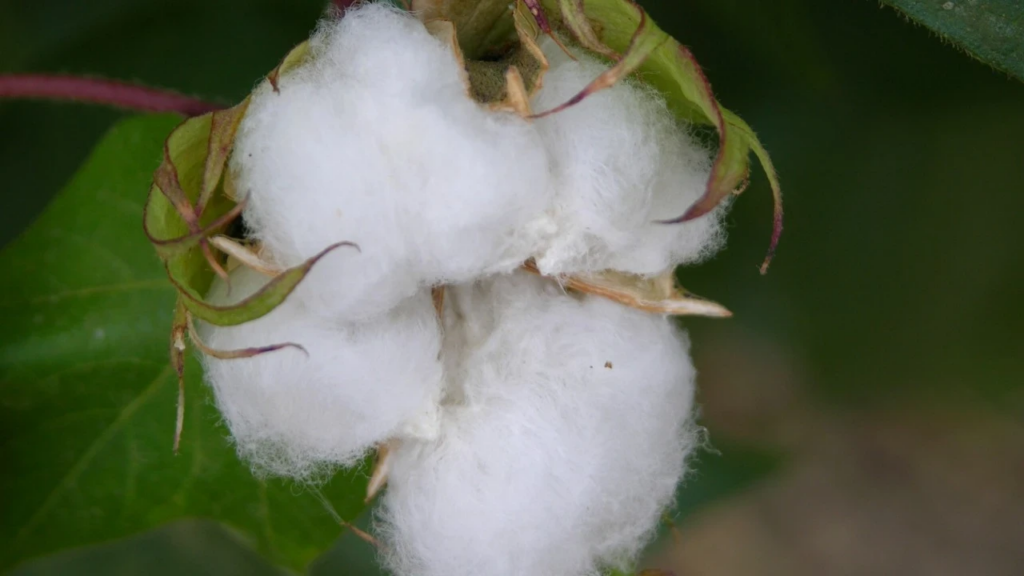
Highlighting that they are currently navigating a period where reducing the carbon footprint is essential, Tanman explained, “Europe, our export market, is imposing border taxes in proportion to our carbon footprint. In particular, with our domestically produced cotton certified under the Better Cotton Initiative—which meets the required sustainability criteria—our manufacturers will both reduce their carbon footprint and ensure their own raw material security.”
Underlining that textile manufacturers purchase cotton according to the demands of consumers in the regions where they export, he added, “In recent times, it used to be sufficient to simply follow Better Cotton Initiatives (BCI). Later, techniques known as regenerative agriculture, which prioritise soil health, emerged. Better Cotton has adapted regenerative agriculture into its own criteria whilst integrating traceability into its operational framework. As IPUD, we want as much of the production as possible to hold this certification so that our textile manufacturers can source our domestic cotton to sell goods abroad and run their own businesses.”
“Equivalence will be achieved this year”
Indicating that approximately 13 percent of production in Türkiye is ‘Better Cotton’, Tanman concluded, “Globally, this figure hovers around 22 percent. However, we are expecting a positive development this year. The Ministry of Agriculture has reached the final stages of ensuring equivalence between the ‘Good Agricultural Practices’ certification and the Better Cotton certification. We hope this will be finalised this year. Once this happens, producers will benefit from state support and will also be able to sell their cotton with an internationally recognised certification. We believe this will lead to a further expansion of these certified areas in the country.”