 THE GLOBAL WINDOW OF TURKISH FOOD AND AGRICULTURE The Global Window of Turkish Food and Agriculture Sector


Related Articles

Press release…
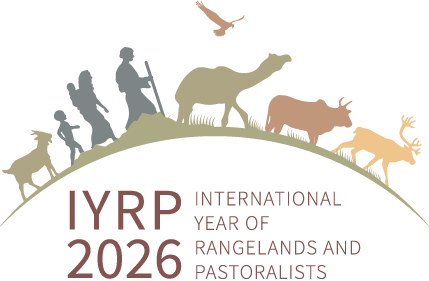
UN designates 2026 as a year to highlight the vital role of rangelands and pastoralists in sustainable food production, ecosystem preservation and climate change mitigation and adaptation
02/12/2025
Rome – The Food and Agriculture Organization of the United Nations (FAO) today launched the International Year of Rangelands and Pastoralists (IYRP 2026), a global campaign aimed at raising awareness of and enhancing the vital contributions of rangelands and pastoralists to sustainable agrifood systems, biodiversity preservation and climate resilience.
Rangelands cover around half of Earth’s land surface in ecosystems such as grasslands, savannas and shrublands, deserts, wetlands or mountain areas. The steppes of Central Asia, the African savanna, the Alps and the Pyrenees in Europe, Andes in South America and the Great Plains of the United States are all examples of these landscapes. They preserve unique fauna and flora and provide essential services including carbon storage and water regulation.
They sustain the livelihoods, nutrition and cultural identities of millions of pastoralists and are shaped by the movement of people and animals.
Pastoralists are key custodians of these landscapes. They manage around 1 billion animals worldwide—from sheep and goats to cattle, camelids, yaks, horses, reindeer and buffaloes—contributing to food security while preserving ecosystems, cultural heritage and local and indigenous knowledge.
But these ecosystems are under increasing pressure from droughts, floods and other climate impacts, land degradation, animal diseases and competing land uses, limiting pastoralists’ mobility and threatening their way of life. For example, while rangelands account for about 30 percent of global soil organic carbon stocks, roughly half of them are estimated to be degraded.
Speaking at the launch event, FAO Director-General QU Dongyu emphasized that the International Year is a moment for collective action.
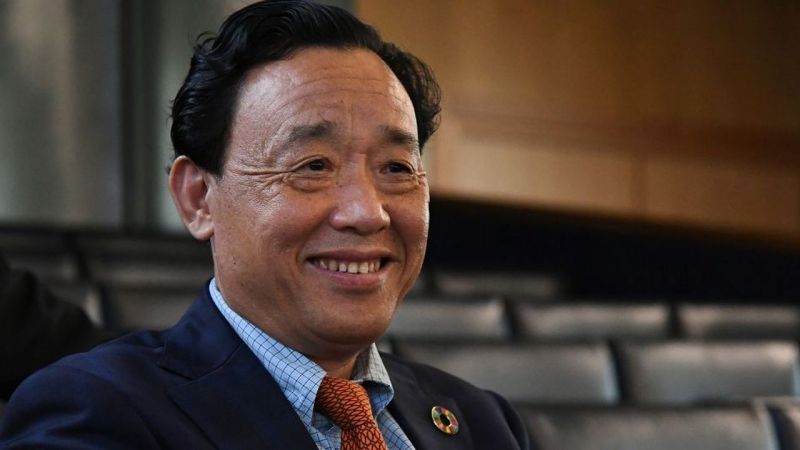
“We must listen and empower women, youth, and pastoralist organizations to take part in the decisions that shape their lands and livelihoods. Too often, their voices remain unheard or ignored, and their contributions undervalued. We must safeguard rangelands through responsible governance, restoration, and investment and support the people who steward them,” the Director-General said.
He added: “Throughout this year, FAO will work closely with governments and all partners to advance work on rangelands and pastoralists under the overall objective of the Four Betters: better production, better nutrition, better environment, and a better life – leaving no one behind.”
The President of Mongolia, Khurelsukh Ukhnaa, and Uruguay’s Vice-Minister of Livestock, Agriculture and Fisheries, Matias Carambula, also participated at the event held on the margins of the 179th Session of the FAO Council.
President Ukhnaa expressed confidence that the International Year would contribute to Mongolia’s agricultural development and help address social challenges by mitigating desertification and climate change and reducing unemployment and poverty.
Vice-Minister Carambula emphasized that the country’s natural grasslands are central to livestock production and highlighted efforts to conserve rangelands, support producers, modernize the sector, and showcase an environmentally responsible, socially just, and culturally vibrant model…