 THE GLOBAL WINDOW OF TURKISH FOOD AND AGRICULTURE The Global Window of Turkish Food and Agriculture Sector


Related Articles



Press release…
October, 2026…
A Significant Step for Turkish Cotton…
UPK–BCI cooperation protocol signed for Turkish cotton certified under Good Agricultural Practices…
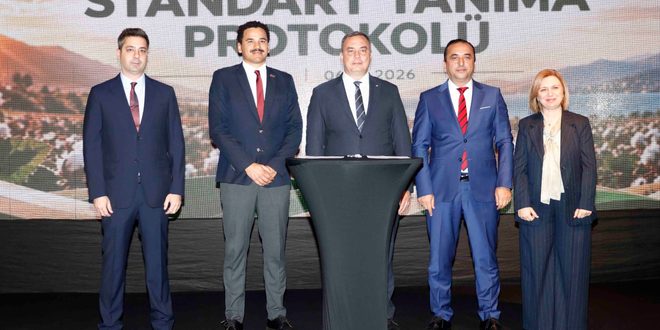
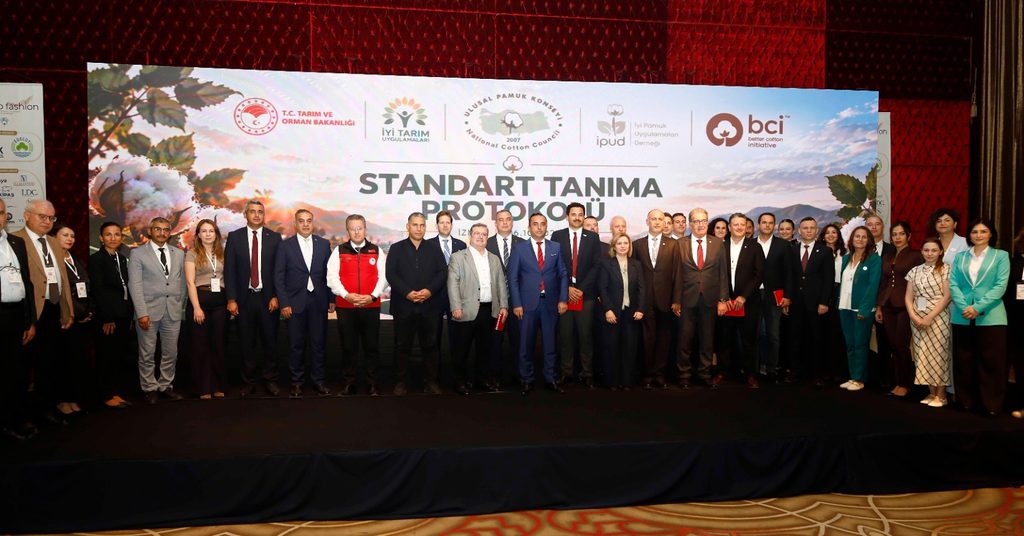
The Farm to Fashion International Summit – Türkiye Cotton Summit brought together representatives from the value chain spanning cotton production to textiles and ready-to-wear apparel in İzmir. During the summit’s opening, a cooperation protocol was signed between the National Cotton Council (UPK) and the Better Cotton Initiative (BCI). Marking a significant step in the process of aligning Turkish cotton produced under Good Agricultural Practices (GAP) with BCI standards, the protocol aims to foster sustainable cotton sourcing and enhance the competitiveness of Turkish cotton in international markets.
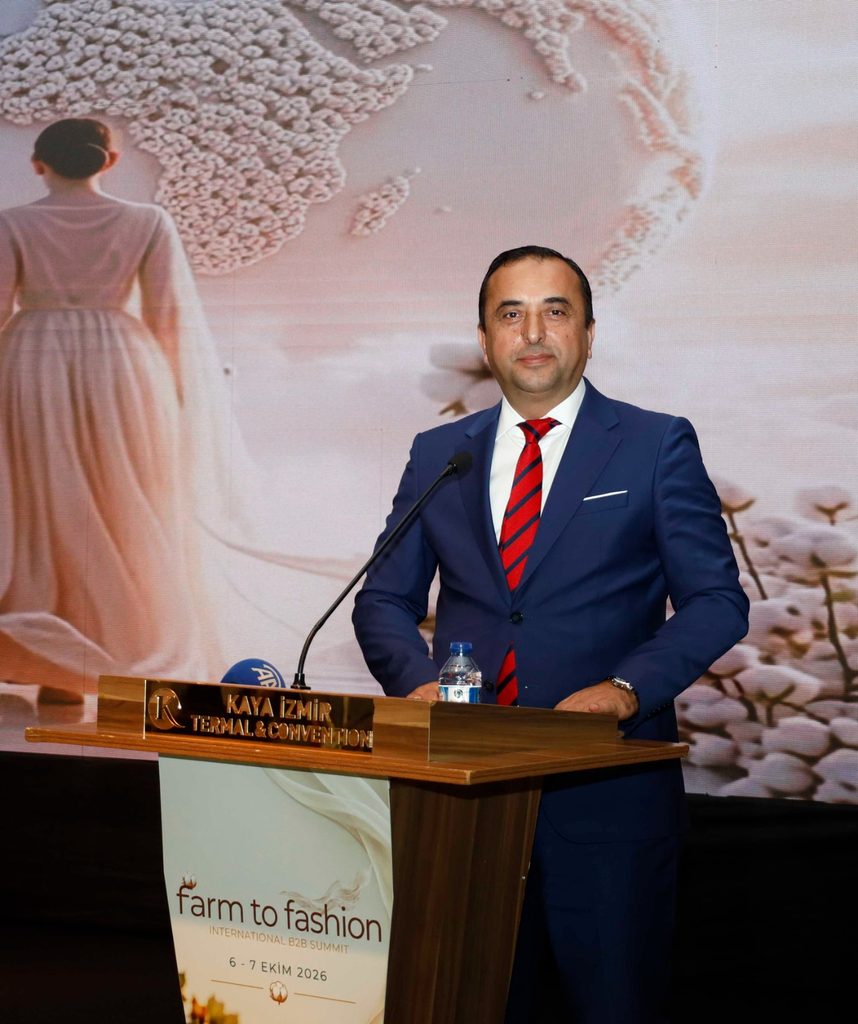
Organized through the collaboration of UPK, the Better Cotton Practices Association (IPUD) and BCI, the summit took place at the İzmir Kaya Hotel on October 6–7. The first day focused on sustainable production, traceability, regenerative agriculture and the future of the sector.
Opening speeches were delivered by IPUD Country Manager Derya Kıyak, IPUD Chairman of the Board Muzaffer Turgut Kayhan, Aegean Textile and Raw Materials Exporters’ Association Chairman Turan Göksan, BCI Large Farm Programmes Director Álvaro Moreira, UPK Chairman of the Board Fevzi Çondur and the Ministry of Agriculture and Forestry’s General Director of Plant Production, Uğur Erdem. Following the opening speeches, the UPK–BCI cooperation protocol was signed.
Erdem: The international standing of sustainable Turkish cotton, certified under Good Agricultural Practices will be strengthened
Uğur Erdem, Director General of Plant Production at the Ministry of Agriculture, stated that the process to have Turkish cotton, produced under Good Agricultural Practices (GAP), recognized as equivalent to BCI standards in international markets has been completed. “Cotton is one of our strategic crops. By forging a strong link between agriculture and industry, it makes significant contributions to employment and exports as the primary raw material for the textile and ready-to-wear sectors. Aligning Turkish cotton with the sustainability and traceability expectations of international markets will strengthen its market position. Good Agricultural Practices serve as a vital tool in this regard; they prioritize efficient water use, soil conservation and appropriate working conditions. They bolster trust within the supply chain by ensuring production is verified through record-keeping, monitoring and certification,” he said.
“Guided by this approach, we established a national framework for sustainable cotton production by defining cotton-specific criteria and control points within the Good Agricultural Practices system. In doing so, we laid the groundwork for equivalence with BCI. We have reached a significant milestone through efforts coordinated by the National Cotton Council and conducted in collaboration with BCI and IPUD,” he noted.
Highlighting that alignment with BCI would reinforce international recognition of the benefits derived from Good Agricultural Practices, Erdem added, “This will help Turkish cotton secure a greater presence in the supply chains of global brands and increase our industry’s use of sustainable domestic cotton. At the same time, cotton certified in Türkiye, backed by independent verification and Ministry oversight and assurance, will gain a stronger foothold in the international market. By gaining momentum, it will also create a significant opportunity for BCI. We attach great importance to the protocol to be signed in this regard. Our expectation is that new market opportunities will be offered to our producers and that certified production will translate into increased earnings for our farmers.”