 THE GLOBAL WINDOW OF TURKISH FOOD AND AGRICULTURE The Global Window of Turkish Food and Agriculture Sector


Related Articles


Press release…
October, 2026…
THE “RECORD HARVEST” DILEMMA IN OLIVES; THE PRICE OF ABUNDANCE WILL BE PAID NEXT YEAR!
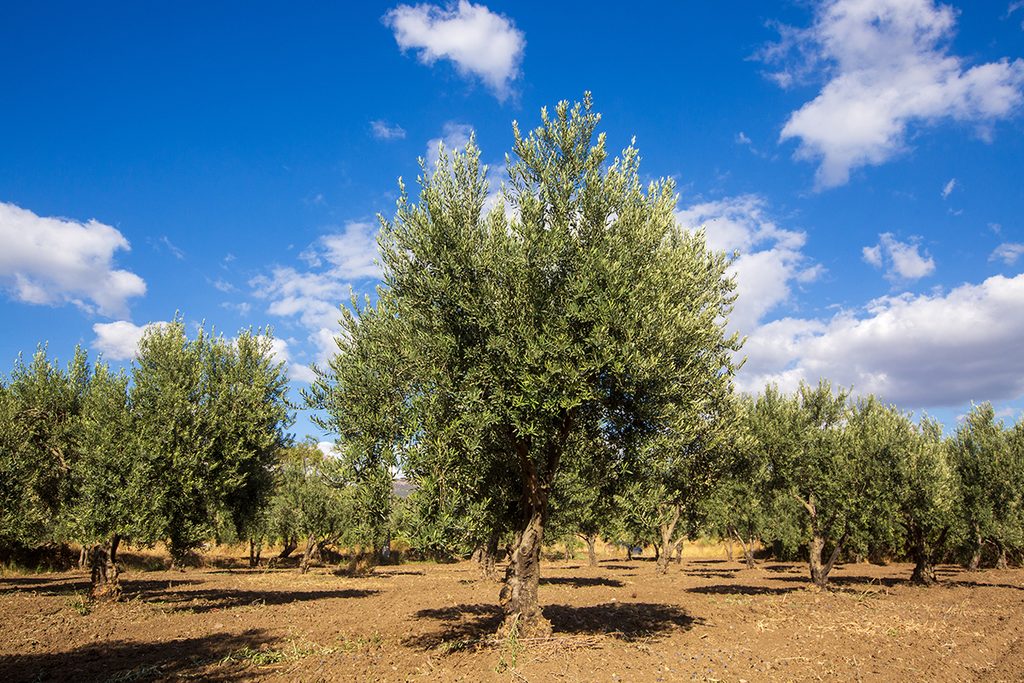
As the country prepares for one of the largest olive harvests in the history of the Republic, warnings emerging from the sector are drawing attention. According to data from the Turkish Statistical Institute (TÜİK), olive production is expected to reach 3.8 million tonnes this year. However, the fact that the price for oil-grade olives has dropped to between 10 and 20 Turkish Lira per kilogram in some regions, leading producers in Akhisar district of Manisa province to initiate a protest by refusing to harvest, highlights the difficult situation faced by growers. Agricultural engineer Şükrü Cem Akçay, commenting on the issue, points to an imbalance in the agricultural economy: “There is a long-standing, conventional wisdom in agriculture; if the yield is low, prices are high; if the yield is high, prices are low. While this is true, it is incomplete. The missing piece is this, why is it the producer who pays the heaviest price for an abundant harvest?”
“This year’s abundance is not a threat; it is a great asset that should be leveraged through rational policies.”
Stating that urgent measures must be taken in the orchards, the marketplace and the soil to address this situation, Akçay proposes providing targeted, promptly-paid subsidies for post-harvest fertilization, plant protection and pruning. He also suggests the formation of collective harvesting teams to ensure that olives are not left unpicked on the branches.
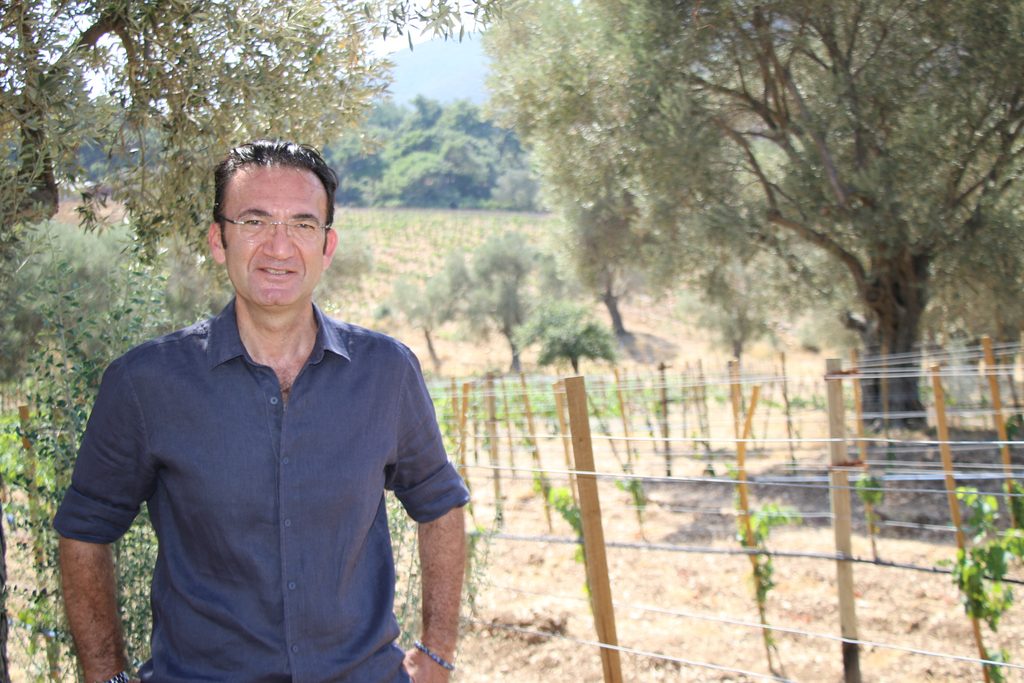
Emphasizing the need to expand licensed warehousing for olive oil, organize small-scale producers under cooperatives, provide premiums for quality and address quota imbalances by keeping export channels open, Akçay also puts forward three proposals for the land itself:
Generating additional income for olive groves by planting legumes between the rows and utilizing pruning waste and leaves,
Transforming olive groves into training grounds for a new generation of producers through harvest-day events and hands-on instruction,
Establishing leasing or joint-operation models to ensure production continues while ownership remains with the original owner.
Reiterating his call, Akçay highlights that this year’s abundance is not a threat; it is a great asset that should be leveraged through rational policies; an olive tree can live for a thousand years, provided we know how to sustain those who sustain the tree!