 THE GLOBAL WINDOW OF TURKISH FOOD AND AGRICULTURE The Global Window of Turkish Food and Agriculture Sector


Related Articles


August 2026…
The Turkish Exporters Assembly’s (TİM) “Türkiye’s Top 1000 Exporters 2025” survey does far more than rank the country’s most successful exporters. It also provides a compelling picture of how Türkiye’s grain processing industry has evolved over the past four decades.

A closer look at the list reveals one unmistakable reality: Türkiye’s flour and pasta exports have become increasingly concentrated in a handful of cities, with Gaziantep standing out as the undisputed centre of this industrial cluster.
It is no coincidence that leading companies such as Mutlu Makarnacılık, Oba Makarnacılık, Acarsan, Beşler and Beşsan all originate from the same province. Likewise, the Central Anatolian province of Karaman’s dominance in biscuits, the Black Sea province of Samsun’s strength in flour production and the Southeastern Anatolian province of Mardin’s emergence as a centre for modern milling investments are all the outcomes of deliberate industrial development strategies. In many ways, the TİM data illustrates the emergence of a new industrial geography for Türkiye’s grain processing sector.
Why Is Gaziantep Ahead of Everyone Else?
Today, when flour and pasta production are discussed in Türkiye, the Southeastern province of the country, Gaziantep is the first city that comes to mind. Its leadership, however, is based on far more than entrepreneurial culture alone. A combination of mutually reinforcing advantages has enabled the city to reach its current position.
1. At the Heart of the Raw Material Supply
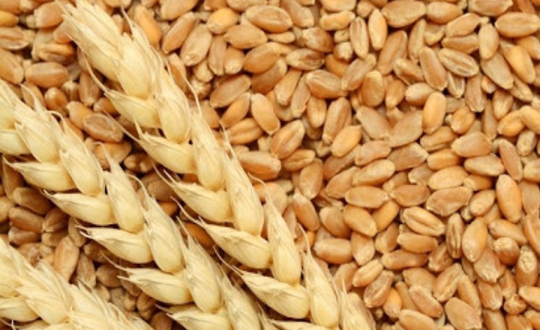
Gaziantep is strategically located at the intersection of Southeastern Anatolia, Central Anatolia and the Çukurova region. Its proximity to Türkiye’s principal bread wheat and durum wheat production areas ensures a continuous and cost-efficient supply of raw materials throughout the year. This provides a particularly significant advantage for pasta manufacturers, as durum wheat—the essential raw material for pasta—is predominantly cultivated in Southeastern Anatolia.

2. A Distinct Logistics Advantage
The second major factor behind Gaziantep’s success is logistics. Situated between the ports of Mersin and İskenderun and close to both the Iraqi and Syrian borders, the region has naturally evolved into a major distribution hub. The logistical advantages offered by Mersin Port have been especially instrumental in supporting exports to Africa, accelerating the growth of both the flour and pasta industries. Today, pasta produced in Gaziantep province reaches markets across Africa, the Middle East, the Gulf region and even South America.
3. The Iraqi Factor
The Iraqi market has played a unique role in the growth of Türkiye’s flour and pasta industries. For many years, Iraq has remained one of the largest importers of Turkish flour, Turkish pasta and Turkish biscuits. Industry representatives consistently underline the strategic importance of this market. According to Nihat Uysallı, Chairman of the TİM Cereals Sector Board, Iraq remains an indispensable destination for flour, pasta and biscuit exports. Although the market has recently experienced a slowdown, he believes it will continue to retain its strategic importance over the medium and long term. Gaziantep’s geographical proximity to Iraq further strengthens this competitive advantage.

Not Just a City; A Comprehensive Manufacturing Ecosystem
Gaziantep’s success cannot be explained solely by the presence of large manufacturing plants. The region’s industrial structure consists of hundreds of interconnected businesses that complement one another throughout the value chain. These include milling machinery manufacturers, packaging companies, automation suppliers, flour ingredient producers, logistics providers, laboratory services and spare parts manufacturers.
This integrated ecosystem enables major manufacturers to manage much of their supply chain within the same province, significantly improving operational efficiency. Often referred to by industrialists as the “Gaziantep Model,” this ecosystem has become one of the province’s greatest competitive strengths…
Source: www.magazinebbm.com