 THE GLOBAL WINDOW OF TURKISH FOOD AND AGRICULTURE The Global Window of Turkish Food and Agriculture Sector



Related Articles
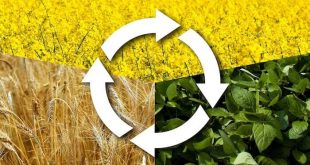
Biodiversity generally refers to the billions of unique living organisms that exist in the world and the interactions between them. Biodiversity encompasses all forms of life diversity within species, between species, and among the ecosystems they inhabit.
The Convention on Biological Diversity (CBD), established to protect biodiversity, aims to guide countries worldwide in developing and implementing policies to conserve biological diversity and ensure sustainability. Only when society understands the importance of this issue can a better environment be left for future generations. This natural heritage, shaped over tens of thousands of years, has begun to suffer damage from factors such as the climate crisis, monoculture agriculture, urbanisation, industrial production and mindless consumption. The protection of biodiversity is possible through measures to protect endemic species at risk of extinction. One of the measures for protecting biodiversity is to exercise caution in land use. This requires regulations in areas such as agriculture and livestock farming.
Given this situation, it is to be expected that publications in some media outlets stating that ‘approximately 75% of the genetic diversity of agricultural products has been lost since the beginning of this century’ will cause concern and fear among ordinary newspaper readers. Therefore, it would be appropriate to address some vital concepts that the public needs to be aware of. Let us first take a look at the botanical terms ‘species’ and ‘variety.’ For example, let us consider a newspaper article stating that a farmer growing rice is planting the ‘Osmancık’ variety: Here, ‘rice’ is the species and “Osmancık” is the variety.
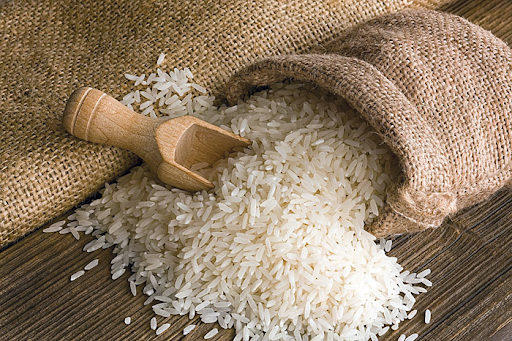
When people talk about ‘lost genetic diversity,’ they understand it to mean the extinction of both species and varieties. In fact, the lifespans of registered varieties are limited. Indeed, thousands of cultivated varieties are becoming obsolete due to changing climate, soil conditions, diseases, pests, etc., and are being replaced by new varieties. Rice varieties from the 1950s and 1960s, such as Maratelli, Ribe, and Gritna, have indeed disappeared. However, rice farming continues with new varieties like Osmancık and Boyabat Kalesi. But there is no decrease or loss in the species of rice or any other product we consume.
Let us take a look at the statement in the EU press that ‘three-quarters of Europe’s traditional vegetable varieties are at risk of extinction’: Unfortunately, in order to increase readability, the press prefers sensational news rather than reliable information on these issues. As a result, the majority of society has come to accept that genetic diversity is being lost. However, can we say that any of the approximately 150 species we cultivate have disappeared to date? We can list thousands of varieties that have been forgotten because they have reached the end of their lifespans. As is well known, the lifespan of annual plant varieties is 5-10 years. On the other hand, varieties that can adapt to new conditions are being bred and registered by agricultural research institutes, universities, and private seed companies and made available to farmers. Because these varieties are not being planted by farmers, they are being preserved in numerous gene banks.
So why is the loss of genetic diversity being exaggerated? In fact, the approach that ‘genetic diversity’ will be lost, which was turned into a slogan by the US-based organisation RAFI (Rural Advancement Foundation International, later ETC), which focuses on regional planning, ecology and evolutionary biology, was also embraced by the ‘Greens of the EU,’ and the issue became good material for the press. ETC activists included topics such as ‘genetic engineering, synthetic pesticides, patents, and nanotechnology’ in their campaigns against modern technologies in the agricultural sector.
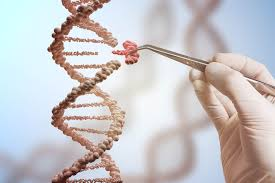
This approach had a negative impact on the agricultural development and even the economies of many countries (https://nazimiacikgoz.wordpress.com/2022/07/22/yanlis-tarim-politikalari-mi-sri-lankayi-iflasa-surukledi / Did misguided agricultural policies drive Sri Lanka into bankruptcy). Such approaches are the main reason why the EU still does not approve of the most advanced breeding techniques, such as gene editing. Due to similar ‘conservatism,’ the United Kingdom, which has left the EU, is now beginning to cultivate four new varieties developed through genetic engineering. As is well known, genetic engineering allows for the rapid development of new varieties and genotypes.
As is the case worldwide, the seeds of all cultivated plants in our country are stored in gene banks. There are two seed gene banks and 18 field gene banks in Türkiye. The National Seed Gene Banks, located within the Aegean Agricultural Research Institute and the Field Crops Research Institute, contain over 120,000 seed samples. The conservation of genetic resources involves protecting living organisms in their natural habitats (in situ) and outside their natural habitats (ex situ). In addition to conservation in natural habitats such as national parks and nature reserves, seed gene banks are one of the most important methods of conserving genetic resources outside natural habitats.
Those who refer to losses in terms of species cite finger millet and Tatar buckwheat in Asia, and yam bean and cowpea in Africa as examples. However, we cannot call these losses. They have been withdrawn from consumption in line with consumer preferences. On the other hand, new plant species such as Ovicula biradiata and Por Sri Somnuek, which may have potential benefits for agriculture, are being discovered. When we look at the new species brought by science, such as Triticale, it is clear that our agriculture will benefit in terms of species over time. In this case, it is certain that ‘BIODIVERSITY WILL NOT BE LOST, BUT RATHER ENRICHED’ thanks to science over time.
In the final declaration of the 4th Agriculture and Forestry Congress held in 2025, while ‘the protection of biodiversity,’ which is not a priority in the Turkish agricultural economy, was highlighted in 3 of the 86 articles, it is striking that there was no mention of seed production, which could make Turkey a leader in the Middle East.

By Professor Dr. Nazimi Açıkgöz