 THE GLOBAL WINDOW OF TURKISH FOOD AND AGRICULTURE The Global Window of Turkish Food and Agriculture Sector


Related Articles
August 2026…
Press release…
Docility, maternal ability, and crossbreeding efficiency make the breed the perfect link between the past and the future.
Family succession is one of the most sensitive issues facing Brazilian agribusiness. According to data from the Brazilian Institute of Geography and Statistics (IBGE) Agricultural Census and industry consulting firms, although 90 percent of rural properties are family-owned, the transition to the next generation remains a major challenge that threatens the continuity of many businesses. Within the Santa Gertrudis breed, however, the picture is one of renewal. The key to this continuity lies not only in the numbers, but also in the breed’s intrinsic characteristics: docility, outstanding maternal ability and high efficiency in industrial crossbreeding.
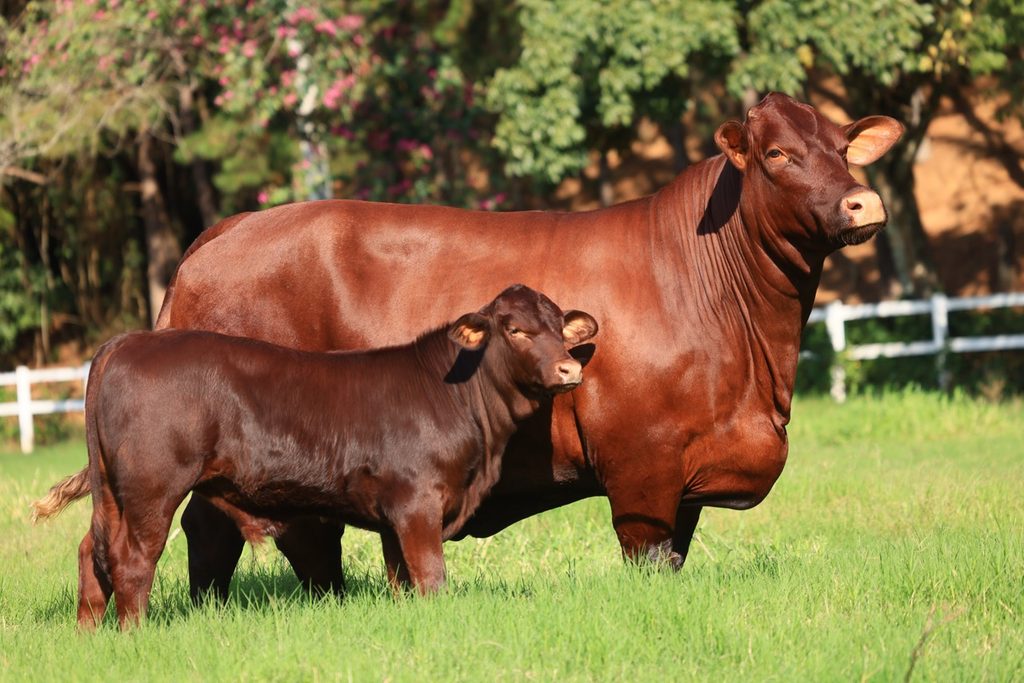
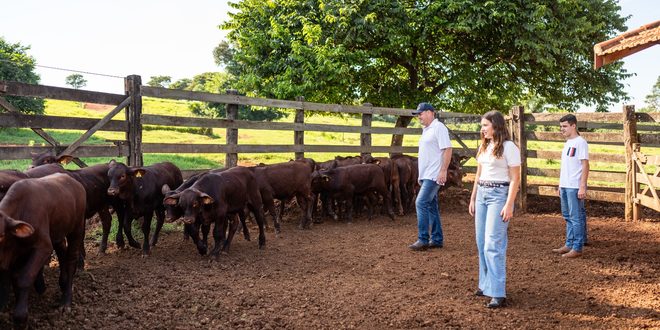
A successor’s first contact with farm life usually happens during childhood, and the animal’s temperament plays a decisive role in shaping that experience. At WS Agropecuária, Walter Sleutjes says that the cattle’s temperament is what brought his children, Lívia and Henrique, into the daily routine of ranch work while they were still very young.
“My father always used to say that the cows were extremely gentle and the bulls were easy to handle. Their docile temperament meant the cattle were always close by—literally in our backyard—making livestock farming part of our everyday life,” Walter explains. This characteristic allowed the third generation not only to observe the business but to actively participate in it. Today, Walter’s children are already saving their own money to invest in their own herds.
For a breed to ensure long-term succession, it must also be profitable and competitive. Santa Gertrudis has proven to offer modern cattle producers exceptional versatility, especially in industrial crossbreeding, where it reaches its full potential by maximizing hybrid vigor (heterosis).
According to Walter Sleutjes, the lesson passed down by his father, Adrianus (“Opa”), was simple: “Santa Gertrudis cows have exceptional maternal ability. They are excellent mothers and deliver outstanding results in industrial crossbreeding.” This hybrid vigor is precisely what attracts producers seeking heavier calves and high-quality carcasses.
At Sítio Malagueta, in the state of São Paulo, Pedro Mello continues the 43-year breeding program established by his father, Wladimir Álvares de Mello, in 1983. Focused on strengthening this productive foundation for the premium beef market, Pedro uses cutting-edge genetic tools to reach new levels of excellence.
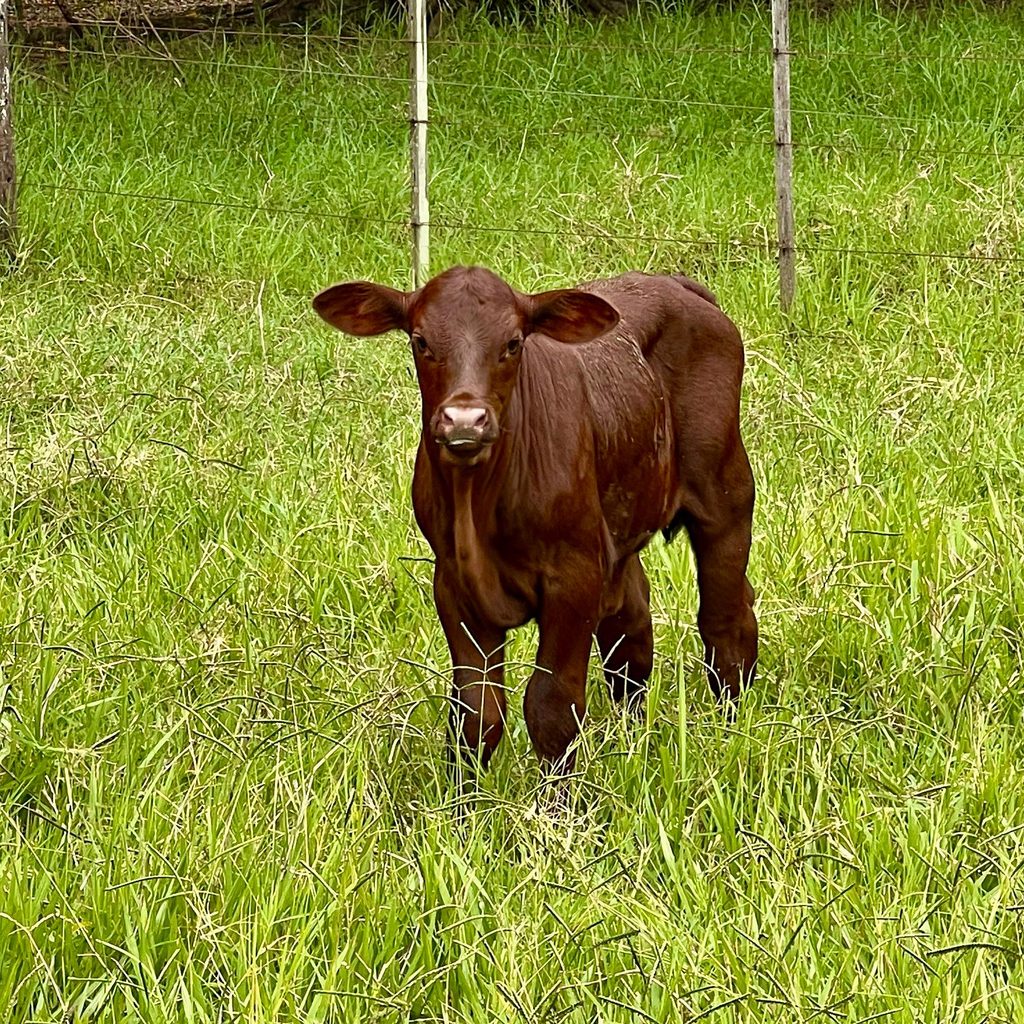
“We want cattle that meet the highest standards of meat quality, using Expected Progeny Differences (EPDs) such as ribeye area and marbling,” says Pedro, combining decades of selective breeding with today’s consumer demands.
Beyond productivity in the pasture, the farm is also one of the breed’s strongest supporters at cattle exhibitions throughout Brazil. This leadership was reaffirmed at Feicorte 2026, where the farm made history by winning the National Grand Championship in both the male and female divisions, establishing Malagueta as one of Brazil’s leading references in Santa Gertrudis genetics and show-ring performance.
Another example of successful succession is Fazenda Duas Águas. Artur Afonso represents the family’s second generation leading the Santa Gertrudis breeding program and currently serves as Marketing Director of the Brazilian Santa Gertrudis Association (ABSG), a position previously held by his mother, Elizabeth.
At the ranch, succession developed naturally through the early involvement of the children in both farm activities and breed promotion initiatives. As early as the 1990s, the family organized major events that brought together thousands of people, connecting producers, industry partners and younger generations with the beef cattle sector.
“Succession happens when children find purpose in what their family has built. From an early age, I was involved in the daily activities of the ranch and in the Association’s work, learning that producing genetics is much more than raising cattle—it’s about selecting for functionality, preserving a legacy and preparing the breed for the future. Today, my commitment is to continue this work by embracing new market trends while preserving the values and principles established by our parents,” says Artur.
By combining a healthy family environment with cattle that consistently deliver practical results—whether as purebred animals or as a strategic tool for industrial crossbreeding—Santa Gertrudis demonstrates that rural succession happens naturally when technology and passion go hand in hand…