 THE GLOBAL WINDOW OF TURKISH FOOD AND AGRICULTURE The Global Window of Turkish Food and Agriculture Sector


Related Articles
August 2026…
As an agricultural engineer who has worked in the agricultural sector for many years, I clearly see that agriculture is not just about planting seeds and growing crops. Agriculture is a strategic area that directly affects a country’s independence, food security, economic stability and social welfare. Therefore, we must change our perspective on agriculture and develop policies that plan for the future instead of short-term solutions.
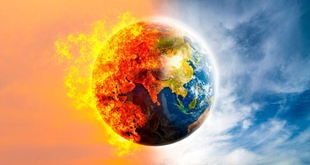
In recent years, we have felt the effects of climate change much more acutely. Drought, sudden frosts, hail, tornadoes, extreme rainfall and temperature fluctuations can destroy our producers’ labor in a matter of hours. We must now move beyond simply discussing climate change and implement appropriate production models, water management and risk planning. The future of agriculture depends on how we protect our natural resources.
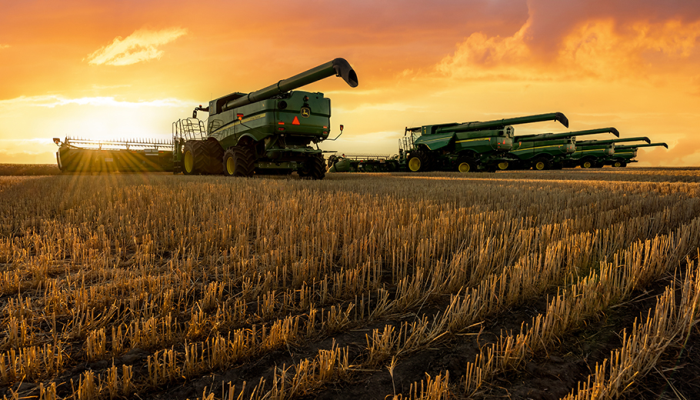
Water is the most fundamental element of agricultural production. However, our water resources are not unlimited. We must use every drop of water correctly. The widespread adoption of pressurized irrigation systems, the increase in closed irrigation projects and facilitating producers’ access to modern irrigation technologies are of great importance. If we cannot conserve water today, we will not be able to protect production tomorrow.
Our producers are struggling to produce under very difficult conditions today. While the costs of fertilizer, diesel fuel, electricity, pesticides, seeds and labour are surging every day, crop prices are not surging at the same rate. This situation reduces our producers’ income and causes them to move away from production. However, it is impossible for consumers to access affordable and reliable food without a profit for the producer. The most important link in the agricultural chain is the producer and we must keep this link strong.
Planned production is no longer a choice, but a necessity. The amount of each product to be produced in each region should be determined by considering water availability, market needs and export potential. Everyone turning to the same product one year because it is profitable, and then experiencing significant price losses the following year, benefits neither the producer nor the national economy. Predictability in agriculture is the foundation of sustainability.
Reliable food production is only possible with scientific knowledge. Agricultural engineers undertake important tasks at every stage of production. Every process, from soil analysis to plant nutrition, from plant protection to harvesting, requires scientific knowledge. Making more effective use of the knowledge and experience of our colleagues will both improve production quality and ensure that consumers have access to reliable food.
Sensitivity should also be shown regarding the conscious use of plant protection products. Preventing residue problems, protecting the environment, and reducing potential export issues are possible with correct practices. However, any new regulations in this area must be prepared taking into account the realities on the ground. Instead of practices that put producers, agricultural engineers and distributors in a difficult position, feasible, controllable, and sustainable solutions should be developed.
Agricultural production is not only an economic but also a social activity. Policies should be developed to ensure that young people remain in agriculture so that people living in rural areas can continue production. As the average age in agriculture rises every year, the departure of young people from the sector poses a significant risk to our future. Economic and social conditions should be improved so that young people can see agriculture as a future profession.
Agricultural subsidies should be planned in a way that increases production. Subsidies should be announced in a timely manner and producers should know what to expect during the planting season. Uncertainty is the biggest enemy of production. The more a producer can see what lies ahead, the more they will invest, improve their production, and contribute more to the national economy.
Professional organizations, universities, public institutions and producers should come together at the same table. Agriculture can only be managed with common sense. It is possible to reach the right conclusions when information from the field, academic studies and public policies complement each other. Decisions made under the guidance of science will protect both producers and consumers, as well as the future of our country.
When we talk about agriculture today, we are actually talking about tomorrow. We are talking about our children’s access to healthy food, the protection of our natural resources and the production capacity of our country. Therefore, agriculture should be the subject of long-term state policies, not daily debates.
I believe that when an approach that supports its producers, values the knowledge of agricultural engineers, protects its natural resources and is based on science is adopted, Turkish agriculture will reach a much stronger point. Because robust agriculture is possible with strong producers and strong producers are possible with the right policies, a scientific approach and common sense…
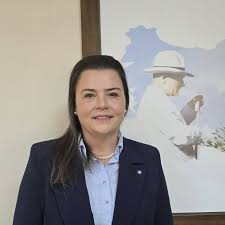
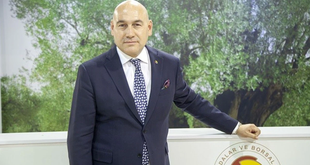
By Ebru Kaçın,
Chairwoman of the Antalya Branch of the Chamber of Agricultural Engineers
Source: www.growtechevents.com