 THE GLOBAL WINDOW OF TURKISH FOOD AND AGRICULTURE The Global Window of Turkish Food and Agriculture Sector


Related Articles
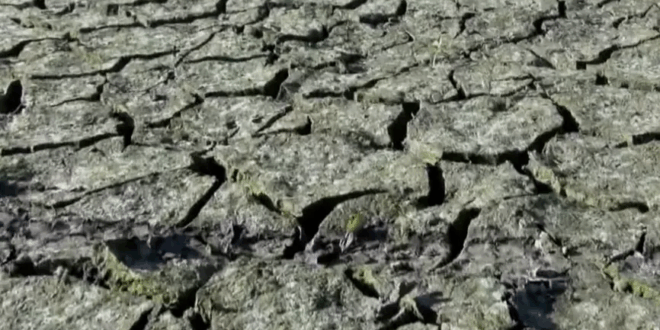
Professor Dr. Lokman Hakan Tecer of Namık Kemal University (NKÜ) in Tekirdağ announced that unless effective water management is implemented and as long as it is continued to exploit water resources recklessly, the soil will transition from agricultural drought to hydrological drought!
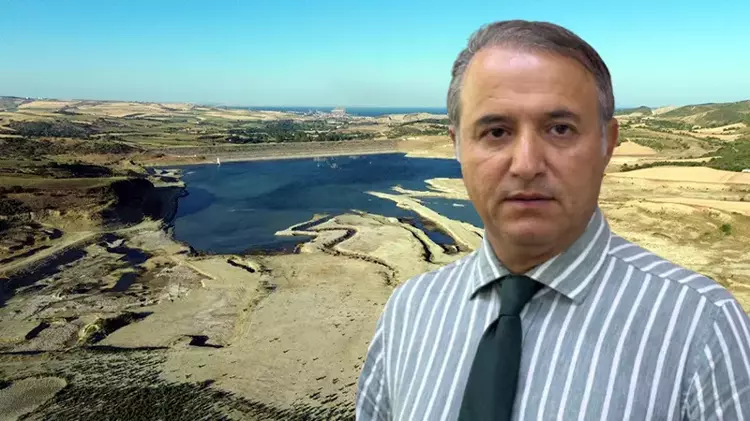
“We will also face the consequences of hydrological drought, which will affect our social and economic structure. There’s a concept called drought migration and we will perhaps experience this in this country from now on,” Dr. Tecer said.
Professor Dr. Lokman Hakan Tecer, Dean of NKÜ’s Çorlu Faculty of Engineering, assessed the drought that began across Türkiye in 2023 due to extreme heat and insufficient rainfall. Finally, Professor Dr. Tecer highlighted the “Worldwide Drought Hotspots Between 2023 and 2025” report published by the United Nations, stating that the report indicated a 6 percent decrease in long-term rainfall across the country.
“RICE CULTIVATION UNABLE”
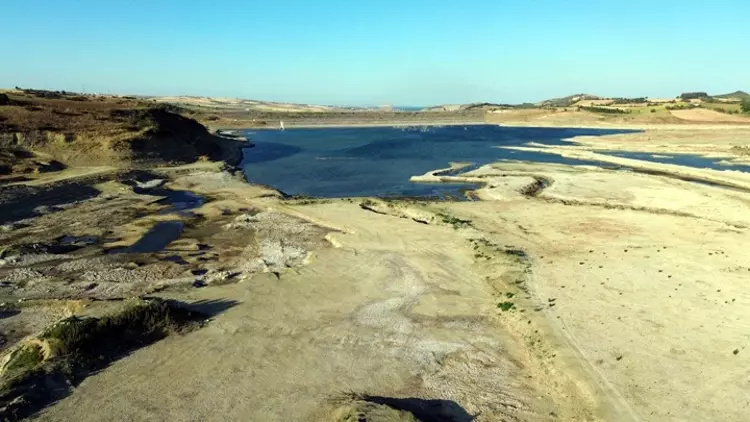
Explaining that this year’s drought began with decreased rainfall in 2023 and 2024, Dr. Tecer noted, “The United Nations recently published a report under the United Nations Convention to Combat Desertification, titled ‘Worldwide Drought Hotspots Between 2023 and 2025.’ It emphasizes that drought is a significant problem worldwide this year. The Türkiye section states that 88 percent of Türkiye’s agricultural land is already at risk of drought and desertification.”
Pointing out that this year’s drought has become more dramatic due to the decrease in rainfall in previous years, he added, “We are seeing the consequences of this: a decrease in agricultural yields and rice cultivation, in particular, has been impossible in some regions. Alternative planting attempts for rice cultivation have failed. Sunflower fields have been left unharvested. In fact, drought is one of the most dramatic and devastating events humanity has ever faced.”