 THE GLOBAL WINDOW OF TURKISH FOOD AND AGRICULTURE The Global Window of Turkish Food and Agriculture Sector


Related Articles


November, 2026…
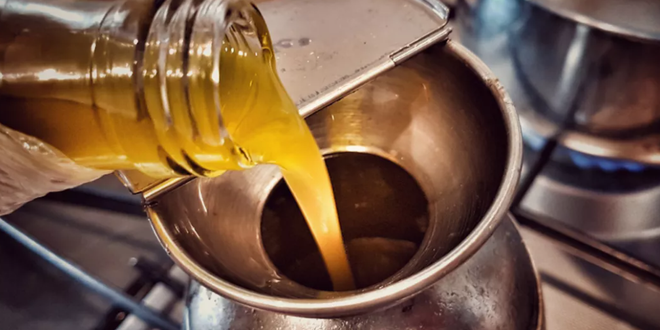
In the Edremit Gulf of Balıkesir province, olives, currently being harvested, are processed with a “zero-waste” approach. Olive pulp is used to produce pomace oil, soap and fuel, with these products even being exported abroad.
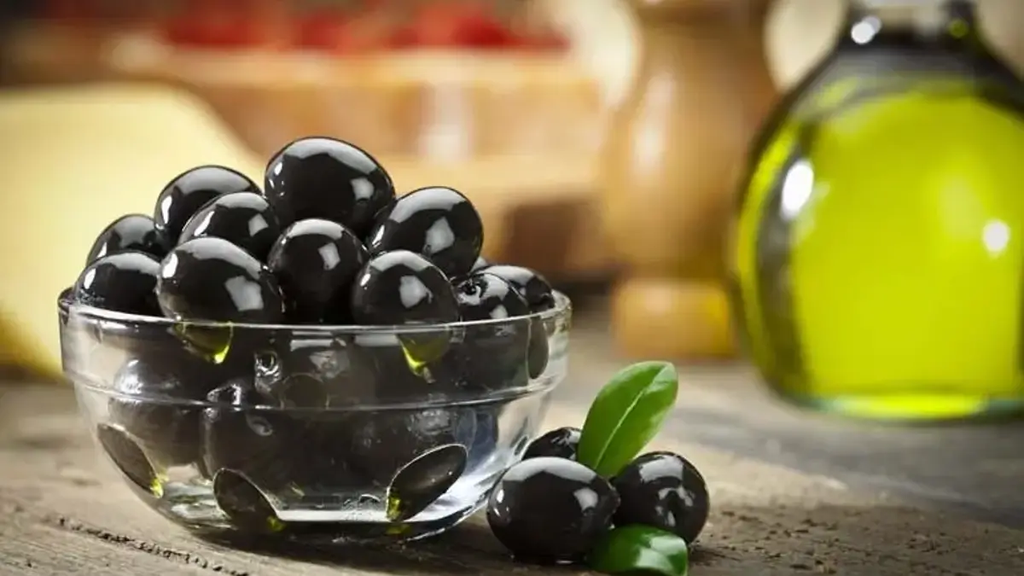
The yield from the region’s approximately 13 million olive trees is processed according to a zero-waste philosophy. Following the harvest, which begins in the autumn and can last until the end of January depending on the crop volume, the olives undergo pressing in factories. While olive oil is extracted from the olives brought in from the orchards, the remaining residue, known as “olive pulp” or “pomace”, is sent to specialized facilities for further processing.
OIL, SOAP AND ENERGY PRODUCED FROM POMACE…
At these facilities, the olive pulp is dried in rotary kilns heated to approximately 1,000 degrees Celsius. It is then distilled in vats using chemicals known as “hexane.” Through this process, the oil extracted from the pomace is either refined for culinary use or utilized in the production of soap.
“THE OLIVE IS AN ENVIRONMENTALLY FRIENDLY PRODUCT”
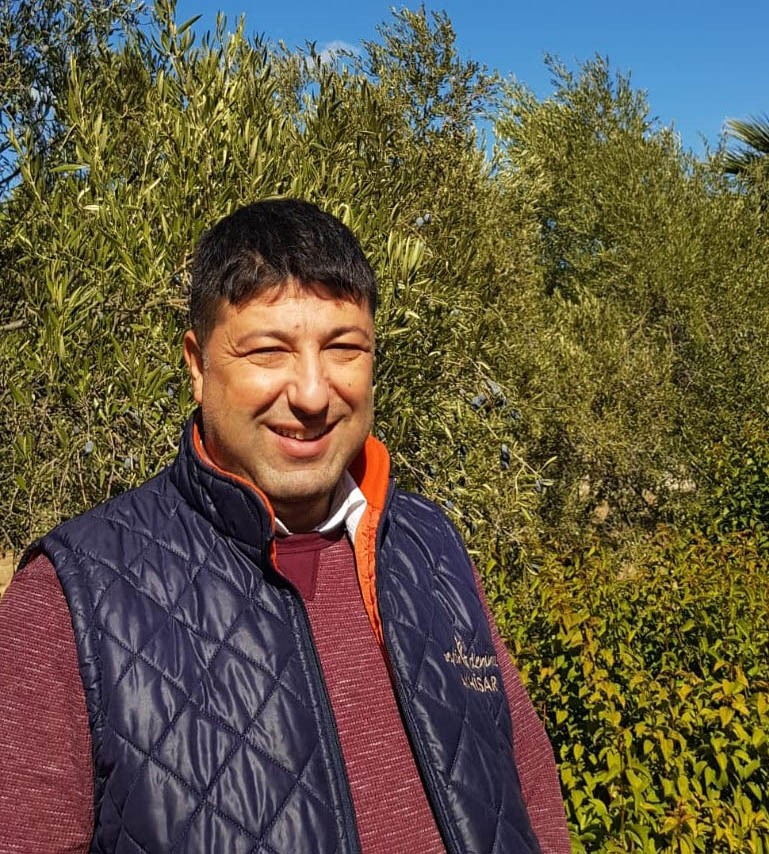
Pointing out that no part of the olive goes to waste, Dr. Mücahit Kıvrak, a lecturer in the Olive Cultivation and Olive Processing Technology Department at Balıkesir University’s Edremit Vocational School, stated that the olive is an environmentally friendly product.
“The primary reason for this is that every part of the olive, the oil, the fruit itself, the leaves and the pomace, can be utilized. The oil and the table olives each hold distinct value, while the leaves and the pomace (olive residue) are also put to use in various sectors. Once the pomace is dried in processing facilities and the remaining oil is extracted using hexane, it serves as a significant resource for the fertilizer and fuel industries,” Dr. Kıvrak said.
“Even the ‘black water’ (olive mill wastewater) can be evaporated or otherwise repurposed. After obtaining extra virgin olive oil from olives harvested using proper methods, the remaining pomace oil, once refined, can be safely used for cooking and deep-frying,” he noted.
APPROXIMATELY 2 KILOGRAMS OF OIL OBTAINED FROM 100 KILOGRAMS OF OLIVE POMACE…
Keskin Aral, manager of an olive pomace processing facility operating in the Gulf of Edremit, provided the following details regarding their production processes:
“When the olive pomace passes through decanters, a certain amount of oil and water is removed, bringing the moisture content down to 50–55 percent. After passing through our drying units, which reduce the moisture content to 7–8 percent, the pomace undergoes a 7– to 8-hour extraction process using hexane. From 100 kilograms of olive pomace (which arrives with a moisture content of 70–80 percent), we obtain approximately 2 kilograms of crude pomace oil and 7–8 kilograms of biomass. We categorize the oils based on their acidity levels. Those that meet the criteria undergo refining to become edible oils suitable for cooking and frying, while oils with higher acidity are used in the production of soap.”
“In addition to the domestic market, we export our products to many countries, most notably the United States and Canada,” he added…