 THE GLOBAL WINDOW OF TURKISH FOOD AND AGRICULTURE The Global Window of Turkish Food and Agriculture Sector


Related Articles

Press release…
October, 2026…
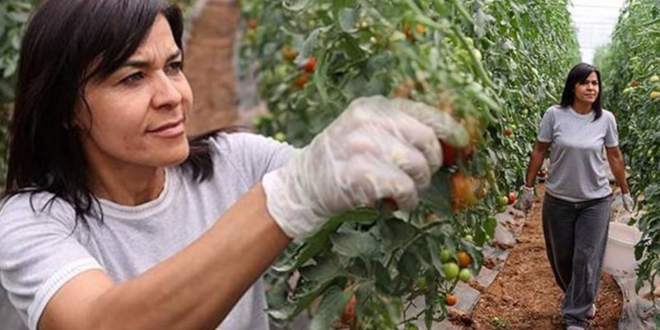
Women make up 42 percent of the global workforce in agriculture and food systems. However, FAO data reveals a 24 percent productivity gap between women and men operating farms of similar size. With fertilizer and soil conditioner prices in Türkiye rising by 33.07 percent annually, women farmers’ access to knowledge, technology and production resources is becoming increasingly critical. Hale Coşkun Düzgün, Vice Chairwoman of the Board at Organo Tarım (Organo Agriculture) – Fergo Gübre (Fergo Fertilizer), remarked on the occasion of October 15, International Day of Rural Women: “When you exclude women’s experience from production decisions, you fail to utilize a significant asset of the enterprise.”
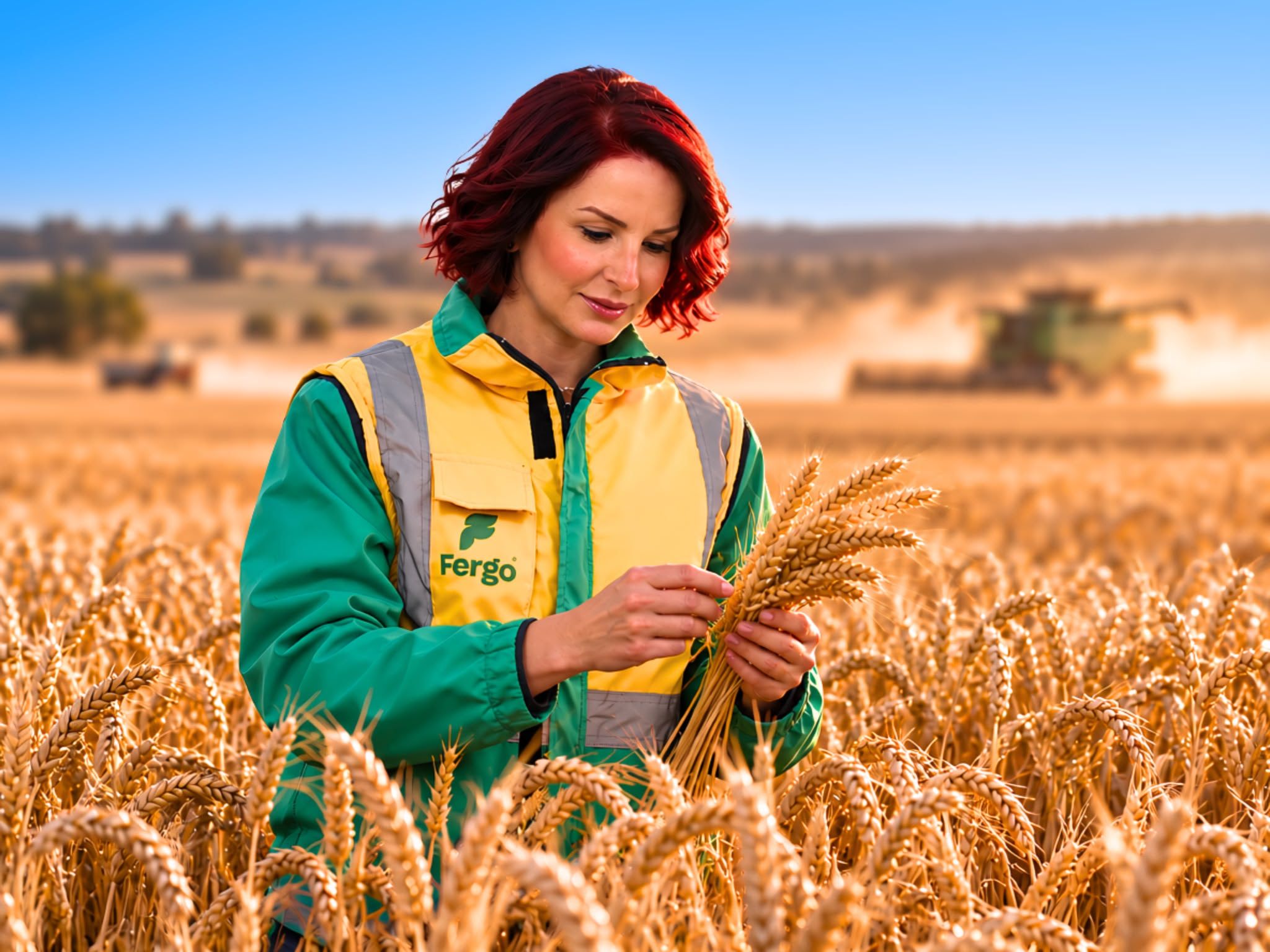
With the United Nations declaring 2026 the “International Year of Women Farmers,” the role of women in agricultural production and the inequalities they face have gained greater prominence on the global agenda.
According to data published by the Food and Agriculture Organization of the United Nations (FAO), women account for 42 percent of the global workforce in agriculture and food systems. However, this strong presence in production is not matched by equal access to land ownership, finance, technology or decision-making processes. FAO’s new dataset reveals that in 85 percent of countries with available data, women’s ownership or secure tenure rights regarding agricultural land are lower than those of men.
“WE MUST DISCUSS WOMEN’S SAY IN PRODUCTION ALONGSIDE THEIR LABOUR”
Making a statement on the occasion of October 15, World Rural Women’s Day, Hale Coşkun Düzgün, Deputy Chairpwoman of the Board of Fergo Organomineral Fertilizer, drew attention to the fact that women’s experience in agricultural production is not sufficiently valued.
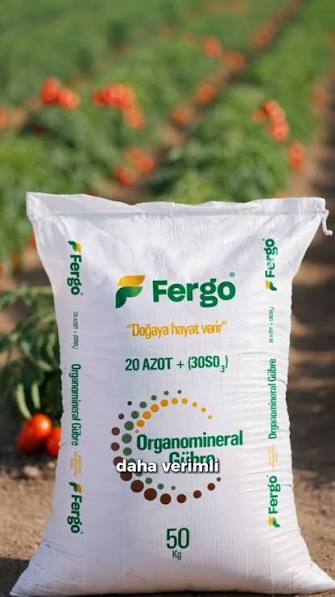
“Women who select the seeds, nurture the seedlings, track the seasons and await the harvest, possess a wealth of knowledge and experience. The labour invested throughout a production season embodies both experience and patience. Yet, while women work in planting, maintenance and harvesting, do they have an equal say when it comes to securing loans, purchasing inputs or selling the produce? This is the question we need to address. We must listen to the insights of our women farmers and support this accumulated knowledge with science. What matters most to me is that, at the end of the season, our producers can say, ‘I received a better return on my labor this year,'” she said.
The FAO’s 2023 report, The Status of Women in Agrifood Systems, also contains significant findings that support this perspective. According to the report, there is an average productivity gap of 24 percent between farms managed by women and those managed by men of the same size. The difficulties women face in accessing land, credit, education and technology are cited among the primary reasons for this disparity…