 THE GLOBAL WINDOW OF TURKISH FOOD AND AGRICULTURE The Global Window of Turkish Food and Agriculture Sector


Related Articles
August 2026…
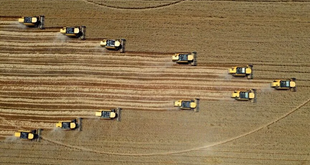
Agricultural economics is a field of increasing importance in our country, as it is worldwide. Our country’s agricultural output soared 3.4 times between 2002 and 2025, reaching 83.2 billion dollars, climbing from 12th to 7th place globally. This is a clear result for our country’s agricultural economy, defying all debate.
It is certain that our country has reached a certain stage in terms of production and productivity, although it is still insufficient. However, the real problems begin after the harvest and continue until we reach our tables. Yes, food inflation, food markets, price and income fluctuations and producer and consumer complaints are constantly on the agenda. Of course, the dependence of agricultural production on nature and the low supply and demand elasticity in agricultural product markets are among the reasons for this.
However, the inability to create conditions of perfect competition is the main source of the problems experienced in the agricultural economy. To elaborate, the presence of numerous buyers and sellers in the market, transparency, standardization of products and easy entry and exit from the market are indispensable conditions for the creation of a competitive environment.
TÜRİB: Stability in Food Markets
The Turkish Mercantile Exchange (TMEX – TÜRİB) and licensed warehousing contribute to a more structured, transparent and secure price formation in our country’s agricultural commodity markets, strengthening these conditions.
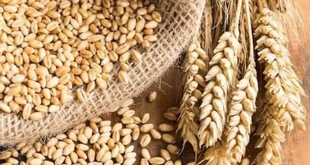
As is known, although agricultural products are produced for a specific period, they are generally consumed throughout the year. For example, although wheat has a production season of only a few months, bread needs to enter every household every day.
TÜRİB (TMEX) plays an important role in ensuring the sustainability of agricultural production by spreading the supply throughout the year and protecting both producers and consumers through integration with the licensed warehousing system. In this respect, the storage of products under healthy conditions and minimizing product losses also provides significant support to food security.
Banks’ acceptance of Electronic Warehouse Receipts (EWR – ELÜS; Electronic Warehouse Receipts (EWR) are electronic receipts issued to represent agricultural commodities deposited in the Licensed Warehouses.) as collateral facilitates producers’ and traders’ access to financing and short-term funds. The TÜRİB Agricultural Commodity Indices, created on a digital platform, are an important reference for stakeholders in decision-making. This structure also contributes to reducing the informal economy and creating a more effective supply chain.
TÜRİB in its 7th year…
Recently, a significant event was held by TÜRİB and the Turkish Guild of Agricultural Journalists (TAGYAD) to mark TÜRİB’s seventh anniversary. Representatives from FAO, the Agriculture and Forestry Youth Council, the Union of Chambers and Commodity Exchanges of Türkiye (TOBB) Women Entrepreneurs Board and the Ministry of Agriculture and Forestry along with Ministry of Trade participated in the event. In this successful organization by İsmail Uğural, who has always played a key role in uniting agricultural stakeholders and TÜRİB General Manager Ali Kırali, the International Year of Women Farmers’ Assessments were also conducted.
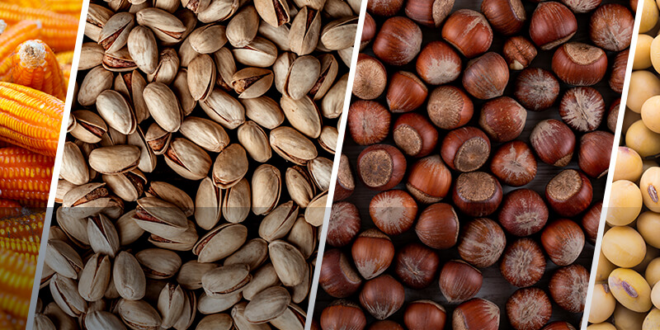
TÜRİB, which rang its first bell in 2019, is 51 percent owned by the Union of Chambers and Commodity Exchanges of Türkiye (TOBB) and 53 commodity exchanges. The Turkish Grain Board (TMO), which successfully carries out its task of regulating agricultural product markets, also holds 15 percent of TÜRİB’s shares. Electronic Warehouse Receipts (ELÜS) issued in exchange for commodities in licensed warehouses are traded on this exchange and the trading volume has reached a significant level of 475 billion TL. Wheat, barley and maize account for the largest share among the 17 commodities for which ELÜS is issued.
Mr. Ali Kırali’s statements regarding the future include the launch of the futures market and the Teverruk Market in participation financing by the end of 2026, the activation of the TÜRİB International Commodity Market and the establishment of a modern audit and supervision infrastructure that will advance the licensed warehousing system with more robust and secure steps. In short, TÜRİB’s contribution to reducing fragility in agricultural markets and supporting Türkiye’s goal of becoming a ‘strategic stock centre’ is invaluable…
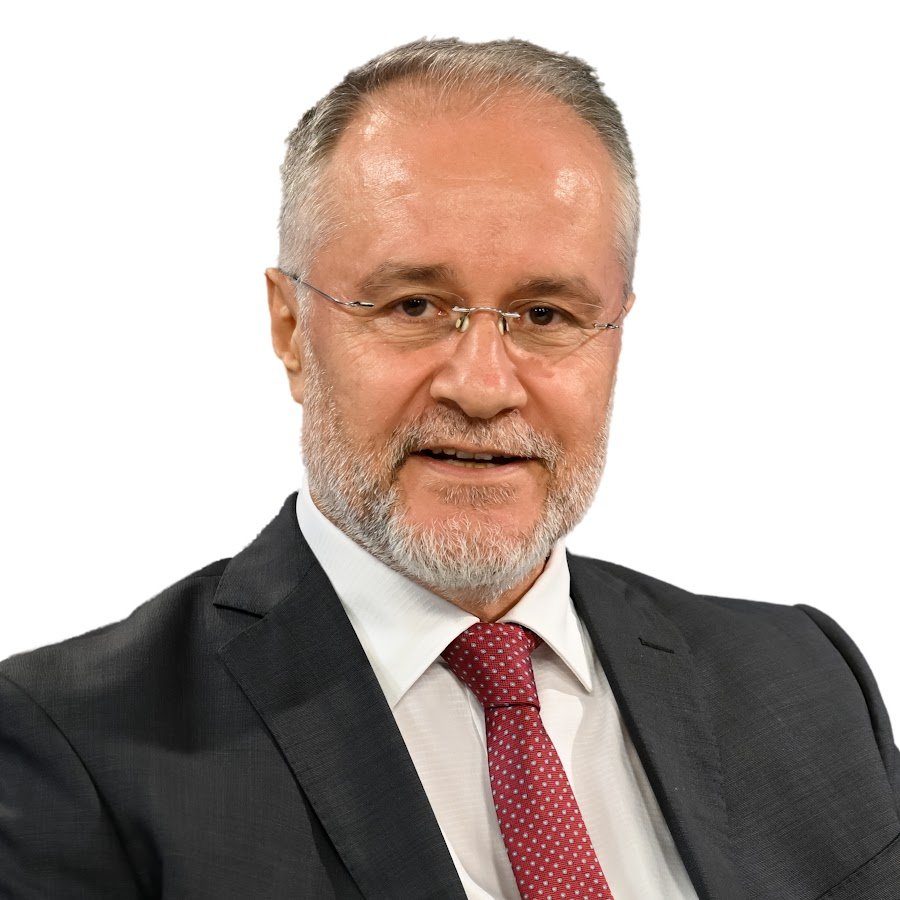
By Professor Dr. Aykut Gül,
Member of the Presidency Agriculture and Food Policies Board
Source: www.dunya.com