 THE GLOBAL WINDOW OF TURKISH FOOD AND AGRICULTURE The Global Window of Turkish Food and Agriculture Sector


Related Articles


August 2026…
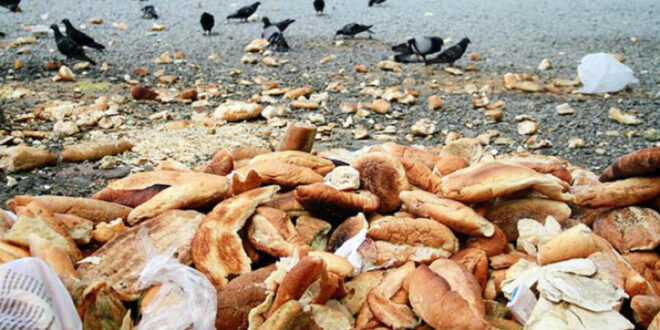
Food banks around the world address hunger and bolster their communities by recovering food that would otherwise go to waste and redirecting that food to feed people facing hunger — while preventing methane emissions from food loss and waste at the same time.

Food banks have faced multiple barriers to their work over the last several years — disasters, conflict, high food prices, supply chain disruptions and cuts in overseas humanitarian assistance. And these same issues cause a surge in demand for food bank services. But despite the myriad challenges, food banks are rising to the occasion.
Ever agile, responsive and resilient, food banks serve as safety nets around the world, connecting local communities to nutritious food, despite the challenges that food bankers face.
The Global Foodbanking Network (GFN) Spotlight draws on 2025 data we collected from 55 food banking organizations in our network across 47 countries. It provides a look at developments and innovations in food banking, highlights members’ achievements and demonstrates the ways that food bankers are responding to the omni-present disruptions and challenges in the world.
- 1. Food banks provided 2 billion meals to 40.5 million people.
- 2. Food banks prevented 534 million kilograms of food from ending up in landfills, preventing the release of methane into the atmosphere.
- 3. Fruits and vegetables are the most common foods people receive from food banks — produce accounts nearly half of all food distributed, the single largest product category.
Source: www.globalfoodbanking.org