 THE GLOBAL WINDOW OF TURKISH FOOD AND AGRICULTURE The Global Window of Turkish Food and Agriculture Sector


Related Articles
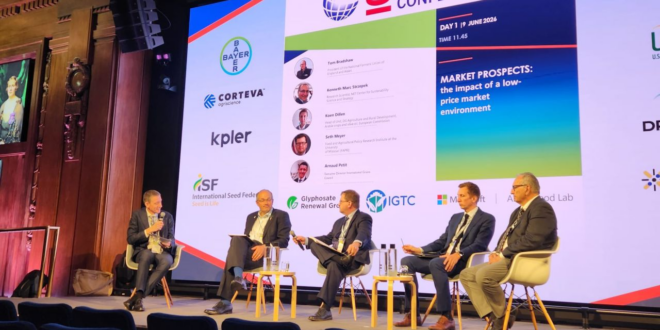
At the International Grain Council (IGC) Grains Conference in London, one of the most interesting discussions focused on the current low-price environment in grain markets.
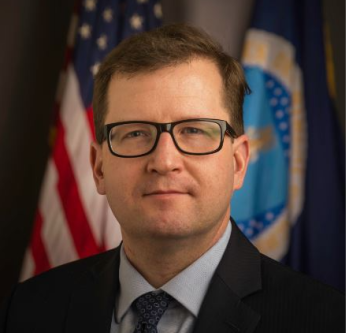
Dr. Seth Meyer, former USDA chief economist, described the market as being in a strange place. Exporting countries still have fairly plentiful carryout stocks, which means one shock or even two shocks, may not be enough to push prices sharply higher. But that does not mean the risk map is empty.
Meyer pointed to fertilizer costs, energy prices, the Strait of Hormuz, the continuing Black Sea war and trade uncertainty as issues still worth watching. He also noted that futures and options markets do not appear especially concerned for now. In other words, the market still seems to believe that stocks are sufficient.
I also had the opportunity to ask him whether markets may be too relaxed about the next season, given low farmer margins, logistics disruptions, geopolitics and lower stocks in some exporting countries. The market is not very concerned yet, he said, but the risks are real. He especially pointed to the possible 2027 impact of fertilizer prices, uncertainty around the Black Sea and the development of El Niño.
Another important point from Meyer was the need to separate food price risk from farmer income risk. A well-supplied market may help consumers and importers, but it can still leave farmers under serious margin pressure. From a producer standpoint, affordability is very low when grain prices are weak and fertilizer costs remain high.
He also made an important observation on biofuels and oilseeds. In the U.S., domestic biofuel policy is supporting very high soybean oil prices. If domestic crush continues to expand, the U.S. will need to find a home for the additional soymeal.
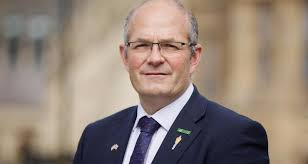
Tom Bradshaw, President of the NFU (National Farmers’ Union) of England and Wales, brought the farm-level pressure into the discussion. He said many farmers are asking whether they can afford to continue producing under current cost and price conditions…

By Namık Kemal Parlak,
Miller Magazine