 THE GLOBAL WINDOW OF TURKISH FOOD AND AGRICULTURE The Global Window of Turkish Food and Agriculture Sector


Related Articles

June, 2026…
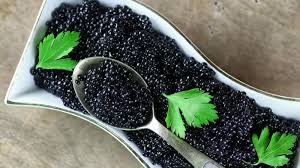
Türkiye’s Agriculture and Forestry Ministry plans to expand production of endangered sturgeon and enter the global market under the “Turkish Caviar” brand, according to daily Milliyet.
The country aims to generate more than 100 million dollars in annual export revenue from the product by 2028.
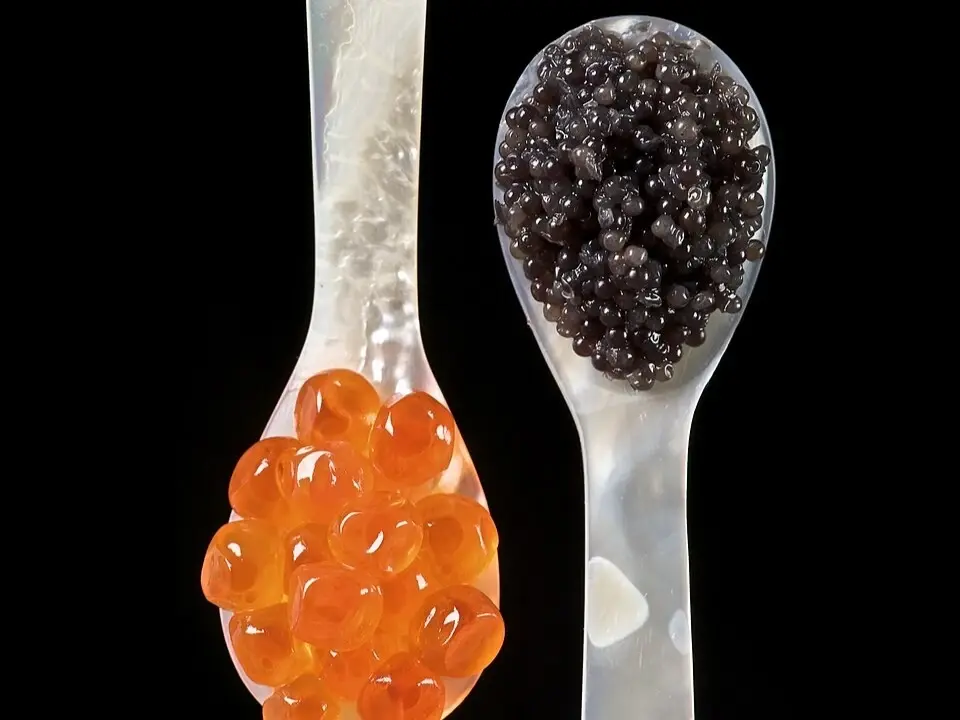
Sturgeon fishing has been banned in Türkiye since 1997. The species was placed under protection in 1998 after being included in the CITES list of endangered fish species.
Under the ministry’s coordination, several projects have been launched to protect natural sturgeon stocks, replenish them through restocking and develop commercial farming.
As part of these efforts, the Amasya-Yedikır and Bolu-Gölköy aquaculture production stations have been operating actively since 2021. Between 2022 and 2025, around 100,000 Russian sturgeon and stellate sturgeon were produced at the facilities.
Some of the fish were tagged and released into the Yeşilırmak and Sakarya rivers and the Black Sea, as part of restocking efforts.
The number of sturgeon farming facilities in Türkiye has also increased. The country currently has 12 licensed sturgeon farms with a combined approved project capacity of 3,204 tonnes per year. Seven sturgeon species are being farmed at these facilities.
As part of efforts to create the Turkish Caviar brand, Türkiye aims to boost annual sturgeon farming capacity to 20,000 tonnes by 2028. The country also plans to raise annual exports to 2,500 tonnes and ramp up production of beluga sturgeon caviar, which has high economic value, to 100 tonnes per year.
Türkiye has so far generated 2.5 million dollars from exports of sturgeon meat and caviar from various species. Türkiye ranks second in Europe and 15th globally in aquaculture production. Its export volume, currently at 2.25 billion dollars, is expected to reach 3 billion dollars in the near future…