 THE GLOBAL WINDOW OF TURKISH FOOD AND AGRICULTURE The Global Window of Turkish Food and Agriculture Sector


Related Articles
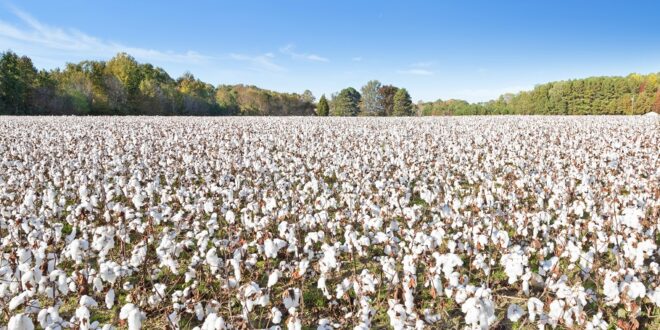
Türkiye’s cotton sector is facing a critical downturn as farmers grapple with a trio of challenges: Climate change, rising input costs and declining market demand.
Industry experts warn that these pressures are threatening the sustainability of domestic cotton production, which has long been a cornerstone of the country’s textile industry.
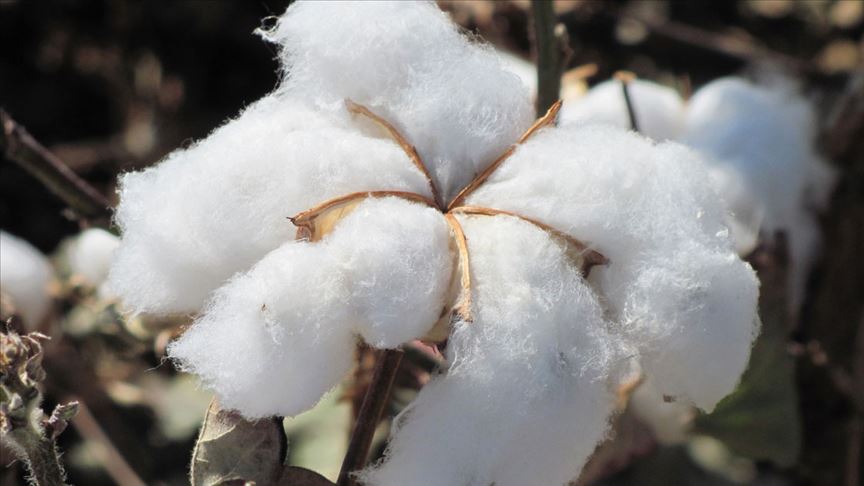
Extreme weather events and prolonged droughts have severely impacted yields, particularly in key growing regions such as Şanlıurfa and Adana provinces.
Farmers report that unpredictable rainfall and soaring temperatures have disrupted planting cycles and reduced crop quality.
At the same time, the cost of fertilizers, pesticides and fuel has surged, making cotton cultivation increasingly unprofitable. Many producers say they are unable to cover basic expenses, leading some to abandon cotton altogether in favor of less costly alternatives.
Adding to the strain is a drop in demand from international buyers. Orders from major textile markets have slowed, and global competition has intensified, especially from countries offering cheaper cotton. This has left Turkish producers struggling to find stable outlets for their harvest.
Agricultural unions are calling for urgent government support, including subsidies and long-term investment in climate-resilient farming practices. Without intervention, they warn, Türkiye risks losing its competitive edge in cotton production and jeopardizing thousands of livelihoods tied to the sector…