 THE GLOBAL WINDOW OF TURKISH FOOD AND AGRICULTURE The Global Window of Turkish Food and Agriculture Sector


Related Articles


Delving into Türkiye’s aquaculture industry as they continue to take centre stage worldwide with record breaking seafood exports…

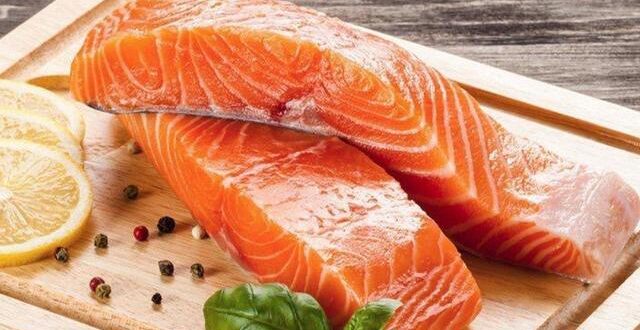
Türkiye has emerged as a major player in the global aquaculture sector, with its seafood exports reaching record-breaking levels thanks to rapid growth in fish farming and a strong focus on sustainability. The country’s recent success story is being driven by the booming production and export of Turkish salmon, alongside its already world-leading output of sea bass and sea bream.
Over the past two decades, Türkiye’s aquaculture capacity has undergone a dramatic transformation. The number of aquaculture facilities has nearly doubled from 1,245 in 2002 to 2,427 by 2024, while annual production has soared from 50,000 tonnes to 850,000 tonnes.
The country currently exports seafood to over 100 countries, with sea bass, sea bream, and Turkish salmon leading the way. These three species alone have contributed to an export growth of 1 billion dollars in just five years, pushing total seafood export revenues to 2.02 billion dollars in 2024. The sector is now targeting 2.5 billion dollars in exports by 2027.
A remarkable breakthrough has been achieved in Turkish salmon. Ten years ago, production was only 5,000 tonnes, today it has reached approximately 100,000 tonnes and 498 million dollars in exports, thanks to the Black Sea’s ideal climate and the fish’s rich omega-3 content. In the last five years, Turkish salmon exports have increased 17-fold. With favourable sea conditions, exports are expected to reach 650 million dollars by year-end, with a five-year goal of 1 billion dollars in Turkish salmon exports alone.
A success built on sustainability and science…
Türkiye’s salmon journey began in the early 1990s with efforts led by the Central Fisheries Research Institute (SUMAE) in the Black Sea region. Today, salmon farming is carried out through a robust production chain that includes 680 hatcheries, 622 pond and reservoir cage systems, and open-sea net cages across six Black Sea provinces. Hatcheries now produce over 1.36 billion eggs and larvae annually, and open-sea systems are expected to reach a capacity of 221,188 tonnes.
The farming process follows a unique model: Turkish salmon starts its life in freshwater lakes, then moves to sea cages when it reaches about 500 grams. It grows to 2–4 kg before harvesting between May and June; production stops when seawater temperatures exceed 23 °C to ensure optimal quality.
Turkish salmon: A nutritious global favourite
Turkish salmon is gaining global recognition not just for its sustainable production but also for its exceptional nutritional value. With higher omega-3 (EPA/DHA) content, a balanced omega-3/omega-6 ratio, and rich levels of selenium, zinc, and vitamins A and D, Turkish salmon provides a healthy, high-protein alternative to traditional salmon species. It also contains lower fat and cholesterol levels, making it a favoured choice among health-conscious consumers.

Distinct from Pacific salmon, Turkish salmon offers superior omega-3 levels, high protein content, and exceptional taste, qualities that continue to attract growing interest from consumers around the world.
Women empowerment and environmental goals…
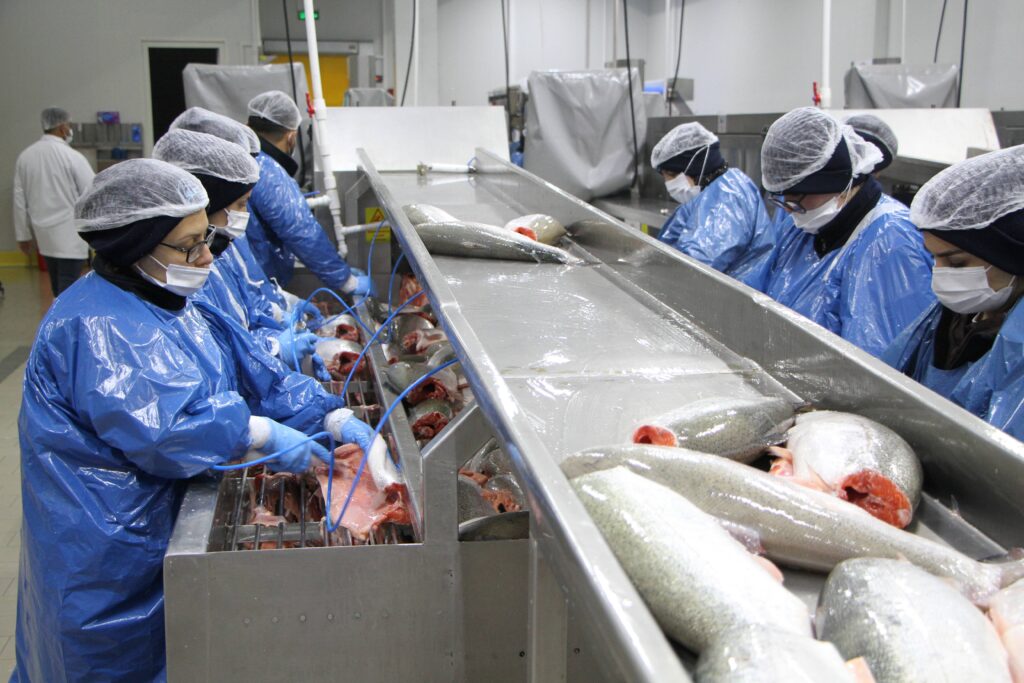
Sustainability in Türkiye’s aquaculture sector goes beyond environmental measures. A growing number of women are entering the industry, particularly in hatcheries, processing plants, and quality control roles. Many companies have also adopted ambitious goals such as carbon neutrality and zero-waste production, aligning their operations with international sustainability standards.
The sector operates with zero waste, utilising 100 percent of each fish. Sustainability reports meet international criteria, setting a benchmark for responsible aquaculture.
Looking ahead: R&D, value-added products, and domestic growth
To maintain this momentum, the sector continues to invest in research and development, sustainable feed alternatives, and logistics improvements. There is also a focus on expanding value-added products, such as smoked salmon, and boosting domestic consumption.
The industry aims not only to increase production but also to ensure responsible growth. Through modern production technologies, academic collaborations, and a commitment to sustainability, Türkiye is positioning itself alongside global seafood leaders such as Norway.
As Türkiye continues to scale up its aquaculture industry with an eye on sustainability, innovation, and quality, it is well on its way to becoming a top global exporter of seafood, with Turkish salmon leading the charge.
Source: www.intrafish.com